Why Some Engine Assembly Options Cost More Over the Full Life Cycle
When comparing engine assembly options for industrial transportation, the lowest upfront price does not always deliver the best long-term value. From truck turbocharger performance and truck gearbox durability to maintenance cycles for truck filter and truck bearing systems, life cycle cost depends on far more than initial purchase. For buyers, distributors, and fleet decision-makers, understanding these cost drivers is essential to choosing reliable solutions for a truck fleet.
In the heavy truck sector, an engine assembly is not just a component bundle. It influences fuel consumption, uptime, service intervals, spare parts turnover, operator productivity, resale value, and even supplier management complexity across multiple regions. A lower purchase price can look attractive during quotation comparison, yet become expensive after 12 to 36 months of real-world use.
For information researchers, procurement teams, business evaluators, and distributors, the better question is not simply “Which engine assembly costs less?” but “Which option delivers the lowest total cost per operating hour or per kilometer?” That shift is especially important in logistics transport, mining support, infrastructure construction, and municipal fleet operations.
This article explains why some engine assembly options cost more over the full life cycle, how to compare configurations beyond price, and what practical evaluation points matter when sourcing through a global commercial vehicle supply network.
What Life Cycle Cost Really Means in Heavy Truck Engine Assembly Selection
Life cycle cost in road transport equipment usually combines at least 6 major elements: acquisition cost, installation or integration cost, fuel use, maintenance cost, downtime loss, and residual value. In heavy-duty truck applications, these items can vary significantly even when two engine assemblies have similar rated output, such as 340 hp to 460 hp.
An engine assembly that is 8% cheaper at purchase may still become 15% to 25% more expensive across 3 to 5 years if it consumes more fuel, requires shorter oil drain intervals, or causes more unplanned stoppages. This happens frequently when buyers focus only on initial quotations and overlook the surrounding system impact.
For fleets operating 80,000 to 180,000 kilometers per year, small differences accumulate fast. A fuel consumption gap of just 1.5 to 2.5 liters per 100 kilometers can create substantial annual cost variance. The same is true for turbocharger reliability, gearbox matching quality, and the service life of truck filter and truck bearing systems that work alongside the engine assembly.
Why purchase price alone is misleading
A lower-priced assembly may use lower-grade castings, less durable seals, narrower parts interchangeability, or less proven calibration for regional fuel quality. These factors are not always visible in a product photo or short specification sheet. However, they directly affect service stability in long-haul freight, stop-start municipal transport, and high-load construction routes.
Buyers should also consider whether the engine assembly comes with complete matching documentation, service parts mapping, maintenance interval guidance, and technical support response. A missing document or inconsistent serial tracking can add days to troubleshooting and delay spare parts procurement during peak operating periods.
The table below shows how buyers can compare engine assemblies using full life cycle thinking instead of pure unit price.
The key conclusion is simple: in commercial transport, life cycle economics often outweigh the initial invoice. A sourcing decision should therefore be based on operating profile, maintenance capability, and supply chain reliability, not just purchase discount.
The Main Drivers That Make One Engine Assembly More Expensive Over Time
The most common long-term cost drivers fall into 4 technical and operational groups: fuel performance, wear rate, system compatibility, and downtime exposure. These factors affect every stakeholder differently. Fleet owners focus on operating margin, distributors focus on claim rates and service reputation, and procurement teams focus on predictable total ownership cost.
Fuel and combustion efficiency
Even if two assemblies share similar displacement, combustion tuning and air management can be very different. Truck turbocharger efficiency, injector stability, and thermal management influence how the engine performs under full load, uphill hauling, or stop-go logistics duty. Over 120,000 kilometers per year, a small efficiency gap can become one of the largest cost items.
Durability of associated systems
Engine assembly cost should never be isolated from surrounding components. Poor matching with a truck gearbox can cause irregular torque transfer, increased clutch stress, or driveline vibration. Likewise, shorter service life of truck bearing supports or weak truck filter performance can accelerate contamination and reduce engine longevity.
In harsh transport conditions such as mining access roads, overloaded regional freight, or dusty construction corridors, filter quality and sealing performance matter even more. If the air or oil filtration system loses efficiency 20% earlier than expected, wear on the engine core may rise long before scheduled overhaul.
Downtime and service delays
A truck parked for 2 to 5 days due to missing spare parts can cost more than the original price gap between two assemblies. This is especially true for distributors serving cross-border markets, where transport lead times for specialized parts may extend from 7 days to 30 days depending on customs, stock location, and supplier responsiveness.
The following list highlights the most overlooked cost drivers in heavy truck engine assembly procurement.
- Mismatch between engine output curve and gearbox ratios, leading to inefficient operation on hills or under high payload.
- Short replacement cycles for filters, belts, seals, or bearings, increasing workshop frequency and parts inventory pressure.
- Insufficient technical documentation for installation, diagnostics, and service scheduling across multiple truck models.
- Low commonality of spare parts, which raises stocking cost for dealers and slows after-sales support.
- Variable quality in remanufactured or mixed-source assemblies, resulting in inconsistent field performance.
A buyer who quantifies these hidden drivers usually reaches a different sourcing conclusion than one who compares only FOB price or unit discount. Long-term cost is built into the assembly ecosystem, not only into the engine block itself.
How Different Application Scenarios Change the Best Choice
The “right” engine assembly depends heavily on application. A long-haul logistics operator, a construction fleet, and a municipal engineering contractor may all buy heavy trucks, but they do not face the same loading pattern, idling hours, terrain, dust level, or maintenance discipline. This is why one engine assembly can be economical in one scenario and costly in another.
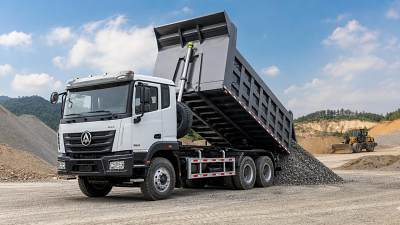
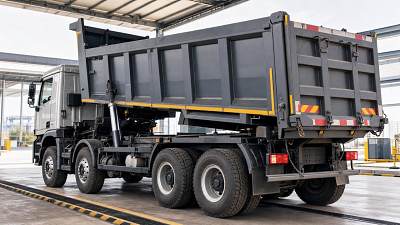
For example, long-distance freight fleets often prioritize stable fuel economy, 30,000 to 60,000-kilometer service intervals, and consistent highway torque delivery. By contrast, dump trucks serving quarries or infrastructure sites may accept slightly higher fuel consumption if the assembly offers stronger low-speed torque, better contamination resistance, and easier field maintenance.
Scenario-based comparison
Before placing a sourcing order, procurement teams should map expected duty conditions over at least 12 months. That means checking average payload, trip distance, idling ratio, altitude, ambient temperature, and workshop access. These inputs often influence whether premium engine options reduce or increase full life cycle cost.
The table below provides a practical scenario comparison for road transport equipment buyers.
This comparison shows that engine assembly value is highly context-dependent. A fleet running 300 to 500 kilometers per day may save more from efficiency optimization, while a fleet in dusty construction duty may gain more from robust filters, sealing integrity, and easier maintenance access.
Questions buyers should ask before final selection
- What is the expected annual mileage or operating hour range for this truck category?
- Will the engine work mainly on highways, mixed roads, mountain grades, or construction sites?
- Are local technicians able to service this assembly within 24 to 72 hours if a fault occurs?
- Can filters, bearings, seals, and compatible gearbox parts be sourced quickly in the target market?
These questions improve procurement accuracy and reduce the risk of buying an engine that is technically acceptable but economically unsuitable.
A Practical Evaluation Framework for Procurement Teams and Distributors
A structured evaluation process helps buyers compare engine assembly options in a consistent way. For B2B sourcing, especially on international heavy truck platforms, the best practice is to evaluate both product-level and supplier-level variables. One strong engine assembly can still become a poor commercial choice if delivery, support, or parts continuity is weak.
Five checkpoints before issuing a purchase order
- Confirm full assembly scope: verify whether the quotation includes turbocharger, injection components, flywheel housing, sensors, and installation accessories.
- Review maintenance schedule: compare oil, filter, and inspection intervals such as 20,000, 30,000, or 50,000 kilometers under target operating conditions.
- Check compatibility: confirm matching with truck gearbox ratios, cooling package, chassis layout, and emissions-related hardware if applicable.
- Assess spare parts continuity: ask for common wear parts list, replacement lead time, and regional availability for at least 12 months.
- Examine support process: clarify technical response time, warranty handling steps, and documentation availability for overseas buyers.
This type of framework is valuable for distributors and agents because it reduces after-sales disputes. If a dealer sells an engine assembly only on price and later faces a high claim rate, the commercial damage can exceed the original margin by several times.
Decision matrix for supplier comparison
The table below can be used as a simple scoring tool during procurement review.
Using a matrix like this helps business evaluators compare suppliers more objectively. It also supports negotiation, because buyers can ask for improvements in support scope, lead time, or documentation rather than pushing only for unit price reduction.
Common Mistakes That Increase Total Cost After Purchase
Many expensive outcomes are caused not by the engine itself, but by avoidable purchasing errors. In international B2B trade, these mistakes often come from incomplete requirement definition, unclear service expectations, or overreliance on a short-term pricing advantage.
Mistake 1: Buying on nominal power only
Two engine assemblies may both be listed in the same horsepower band, but their torque curve, thermal behavior, and response under load can differ. If buyers ignore real operating conditions, they may choose a nominally sufficient engine that works harder in daily service, causing higher wear and lower fuel efficiency.
Mistake 2: Underestimating maintenance logistics
A truck fleet in remote or cross-border operation needs predictable access to truck filter kits, truck bearing replacements, gaskets, and turbocharger-related parts. If common wear items require 3 to 4 weeks of delivery, downtime cost can quickly erase the purchase savings from a cheaper engine assembly.
Mistake 3: Ignoring supplier coordination quality
Engine assemblies involve more than one technical touchpoint. Buyers may need installation guidance, serial verification, inspection records, packing confirmation, and claim support. If communication quality is weak, even a technically sound product can create commercial friction for distributors and fleet operators.
To reduce these risks, procurement teams can use the following checklist during supplier evaluation:
- Define vehicle application, annual mileage, and average payload before requesting quotations.
- Request a clear list of included components and excluded accessories.
- Ask for common wear parts lead times in days, not general statements such as “available soon.”
- Confirm support steps for installation issues, early failure review, and warranty communication.
- Check whether the supplier can support distributors with product comparison, documentation, and after-sales coordination.
These preventive steps are especially useful on global sourcing platforms, where buyers compare multiple offers from different regions. A transparent and well-documented proposal often brings better life cycle value than the lowest quotation.
FAQ: What Buyers Most Often Ask About Engine Assembly Life Cycle Cost
How can I compare two engine assemblies if supplier quotations look similar?
Compare them across at least 5 variables: fuel consumption behavior, maintenance interval, spare parts lead time, compatibility with truck gearbox and chassis, and technical support response. If one option reduces just 1 unscheduled stoppage per quarter, it may already justify a moderate price premium.
What service interval data should I request from suppliers?
Ask for typical intervals for oil service, air and fuel filter replacement, inspection points, and recommended checks for turbocharger, bearing, and cooling-related systems. Common heavy truck maintenance ranges may fall between 20,000 and 60,000 kilometers depending on route severity and load profile.
Are cheaper assemblies always risky?
Not always. A lower-cost option can still be suitable when the operating duty is light, parts commonality is strong, and local service support is reliable. The risk rises when lower price is paired with uncertain documentation, poor component consistency, or weak after-sales coordination.
What matters most for distributors and agents?
Distributors should focus on repeatability. Stable product quality, predictable parts supply, and manageable claim handling usually matter more than short-term margin. In many markets, service reputation built over 12 to 24 months is a stronger asset than a one-time low-price deal.
Choosing the right engine assembly in the heavy truck industry requires a broader view than initial price comparison. Buyers need to assess how the assembly affects fuel cost, truck turbocharger efficiency, truck gearbox matching, truck filter replacement cycles, truck bearing durability, service lead time, and downtime exposure across real operating conditions.
For procurement teams, business evaluators, and distributors working across the global commercial vehicle supply chain, the most reliable strategy is to compare full life cycle value, not only unit cost. A transparent sourcing process, scenario-based selection, and strong supplier coordination can reduce operating risk and improve fleet economics over 1, 3, and 5-year horizons.
If you are evaluating engine assemblies, truck components, or broader heavy truck sourcing options, use a platform that helps you compare suppliers, review product categories, and make better-informed purchasing decisions. Contact us now to explore tailored sourcing solutions, request product details, or learn more about practical options for your truck fleet and distribution business.
Tag
Recommended News
 Buying GuideHow to Evaluate a Crane Truck Supplier for Fleet ReliabilityCrane truck supplier selection affects uptime, parts access, and long-term fleet performance. Learn how to compare quality, support, and export capability with confidence.
 Buying GuideCrane Truck Quotation Checklist: Specs That Change the Final PriceCrane truck quotation guide: compare chassis, boom, axles, outriggers, compliance, and hidden costs before you buy. Get smarter quotes and avoid costly sourcing mistakes.
 Buying GuideDump Truck Bulk Order Cost Factors and Delivery RisksDump truck bulk order pricing depends on specs, shipping, compliance, and after-sales support. Learn key cost factors, delivery risks, and how to compare quotes with confidence.
 Buying GuideHow to Evaluate an Excavator with High Efficiency for Jobsite OutputEXCAVATOR with high efficiency evaluation starts with real jobsite output, fuel use, reliability, and support. Learn how to compare models and choose the right machine for higher productivity.
 Buying GuideCrane Truck Distributor Selection: 5 Key FactorsCrane truck distributor selection affects uptime, safety, and total cost. Discover 5 key factors to compare suppliers, support, sourcing strength, and long-term value.
 FAQTipper Trailer Payload Limits and Safety RisksTipper trailer payload limits affect braking, stability, and rollover risk. Learn practical safety checks, load control tips, and ways to reduce costly overload damage.
 Buying GuideHow to Evaluate an Excavator Manufacturer in ChinaExcavator manufacturer in China selection starts with the right checks. Learn how to compare factory strength, quality control, export support, and total procurement risk.
 Buying GuideHow to Choose a Bulldozer for Road Construction in 2026BULLDOZER for road construction selection in 2026 starts with terrain, blade type, fuel efficiency, and uptime—not horsepower alone. Learn how to compare smarter and choose with confidence.
![]() Buying GuideHow to Compare a Truck Chassis Supplier in EuropeTruck chassis supplier in Europe comparison guide: learn how to assess compliance, customization, delivery reliability, and after-sales support to choose a stronger long-term partner.
Buying GuideHow to Compare a Truck Chassis Supplier in EuropeTruck chassis supplier in Europe comparison guide: learn how to assess compliance, customization, delivery reliability, and after-sales support to choose a stronger long-term partner.![]() Buying GuideDelivery Truck Supplier in USA: Cost and Lead Time GuideDelivery truck supplier in USA guide: compare truck costs, lead times, hidden fees, and supplier reliability to choose the right partner and reduce procurement risk.
Buying GuideDelivery Truck Supplier in USA: Cost and Lead Time GuideDelivery truck supplier in USA guide: compare truck costs, lead times, hidden fees, and supplier reliability to choose the right partner and reduce procurement risk. Fleet ManagementTruck Fleet Planning Tips for Lower DowntimeTruck fleet planning tips to cut downtime, improve uptime, optimize maintenance, manage spare parts, and build a more reliable, cost-efficient transport operation.
 Buying GuideBULLDOZER for Mining Operations: Key Performance ChecksBULLDOZER for mining operations: discover key checks for traction, hydraulics, durability, fuel economy, safety, and lifecycle cost before you buy.
 Buying GuideTruck Tipper for Construction: Load Fit GuideTruck tipper for construction guide: match payload, body size, axle setup, materials, site conditions, and supplier specs to reduce cost and improve jobsite efficiency.
 Buying GuideConstruction Machinery for Mining: Cost vs OutputConstruction machinery for mining buyers: compare cost, output, uptime, fuel use, and supplier value to choose smarter equipment for profitable projects.
 Buying GuideHow to Vet a Commercial Trucks Manufacturer in ChinaCommercial trucks manufacturer in China vetting guide: verify factory strength, quality control, export documents, certifications, and after-sales support before ordering.
 Buying GuideTruck Steel Grades: Strength, Weight, and Cost TradeoffsTruck steel grade selection explained: compare strength, weight, weldability, fatigue, and lifecycle cost to choose materials that boost payload, durability, and ROI.
 Buying GuideExcavator Attachment Choices for Faster Site WorkExcavator attachment choices can speed up digging, breaking, grading, and material handling. Learn how to match tools to machines for safer, more productive site work.
 Buying GuideConcrete Pump Selection: Output, Reach, and Jobsite FitConcrete pump selection made easier: compare output, reach, site access, mix design, and total cost to choose the right pump for safer, faster pours.
 Fleet ManagementTruck Tipper Safety Checks Before Daily OperationTruck tipper daily safety checks made simple: inspect hydraulics, brakes, tires, lights, loads, and tipping stability to reduce downtime and operate with confidence.
 Buying GuideTruck Military Selection Risks for Harsh TerrainTruck military selection for harsh terrain demands more than power. Learn key risks, scenario-based priorities, and supplier checks to build a reliable fleet.
 Buying GuideTruck Cement OEM: Key Specs That Affect PayloadTruck cement OEM selection starts with payload-critical specs—chassis, axles, curb weight, drum design, and compliance. Learn how to compare suppliers and boost fleet value.
 Buying GuideWhat ISO Certification Means for Excavator ManufacturersChoose an excavator manufacturer with ISO certification to reduce sourcing risk, verify quality systems, and gain safer, more reliable machines for demanding projects.
 Fleet ManagementDump Truck Supplier Risks in Mining ProjectsFind out how to choose a reliable dump truck supplier for mining industry projects, reduce sourcing risks, secure parts support, and improve uptime in harsh mining operations.
 Buying GuideChoosing a Truck Chassis Supplier for Heavy Haulage LoadsTruck chassis supplier for heavy haulage selection guide: compare frame strength, axle setup, compliance, drivetrain fit, and service support for safer, more efficient fleets.
 Buying GuideHow to Choose a Crane Truck Manufacturer for Heavy Lifting JobsChoose the right crane truck manufacturer for heavy lifting jobs. Learn how to compare capacity, safety, chassis, support, costs, and global sourcing options.