Truck Military Selection Risks for Harsh Terrain
Selecting a truck military solution for harsh terrain is a high-stakes decision affecting mission reliability, operating cost, supplier risk, and fleet endurance.
The challenge extends beyond engine power, payload, and off-road capability. It includes maintenance access, compliance, parts continuity, and sourcing reliability.
As demand grows in defense logistics, mining, infrastructure, and emergency response, truck military selection requires scenario-based judgment, not specification comparison alone.
Truck Military Selection Starts With Terrain Reality
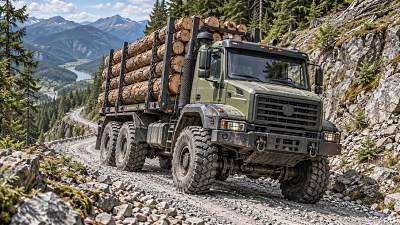
Harsh terrain does not mean one operating condition. Sand, mud, rock, snow, altitude, and heat create different mechanical stress patterns.
A truck military platform suitable for desert logistics may fail in wet forest tracks if traction control, sealing, and recovery systems are weak.
Terrain judgment should start before supplier comparison. The operating environment defines drivetrain layout, cooling capacity, suspension strength, and tire configuration.
Global sourcing platforms help compare models, suppliers, spare parts networks, and export experience across multiple heavy truck categories.
Scenario Background: Why Harsh Terrain Changes Every Requirement
In stable highway logistics, uptime depends on fuel efficiency, service intervals, and payload utilization. In harsh terrain, failure modes change quickly.
A truck military vehicle may face axle shock, frame torsion, water ingress, overheating, dust abrasion, and emergency towing demands.
These conditions affect total lifecycle cost. Initial purchase price becomes less important when recovery, downtime, and parts delays escalate.
Scenario-based evaluation reduces mismatch. It clarifies whether the vehicle must prioritize mobility, payload, protection, modularity, or field repair.
Scenario One: Defense Logistics Across Remote Routes
Defense logistics requires predictable movement under poor road conditions, variable weather, and limited maintenance access.
A truck military fleet in this scenario should emphasize drivetrain durability, fuel range, electrical reliability, and standardized spare parts.
Payload rating must be checked against real terrain speed. Nominal capacity on flat roads may be unsafe on slopes or soft ground.
Supplier assessment should verify export references, documentation quality, training support, and long-term component availability.
Key judgment points for defense movement
- Confirm 4x4, 6x6, or 8x8 layout based on load and route severity.
- Evaluate cooling performance under slow-speed, high-load movement.
- Check air filtration for dust-heavy convoys and desert routes.
- Require manuals, diagnostic tools, and practical field repair guidance.
Scenario Two: Mining Roads and Heavy Industrial Sites
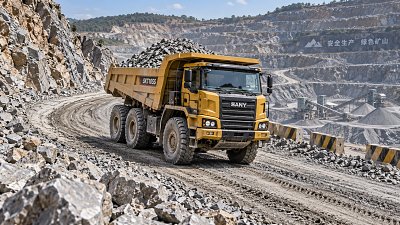
Mining operations expose trucks to steep gradients, abrasive dust, sharp rocks, and high idle hours.
A truck military design can be attractive when the site needs stronger chassis, higher ground clearance, and robust suspension systems.
However, mining use is not identical to military logistics. Brake wear, tire damage, and body adaptation become major cost drivers.
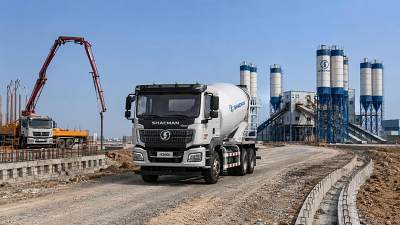
The best truck military fit should support dump bodies, tank modules, service bodies, or recovery equipment without unsafe frame modification.
Mining adaptation risks
- Overlooking brake heat on repeated downhill hauling.
- Using highway tires where rock-cut resistance is needed.
- Ignoring dust protection for electrical connectors and sensors.
- Choosing payload before confirming frame and axle duty cycles.
Scenario Three: Infrastructure Projects in Undeveloped Regions
Road construction, bridge work, pipeline projects, and power grid expansion often operate before stable access roads exist.
A truck military platform may support material transport, crew movement, fuel delivery, and mobile workshop functions.
The core risk is over-selecting combat-style features while under-selecting serviceability, fuel economy, and local parts compatibility.
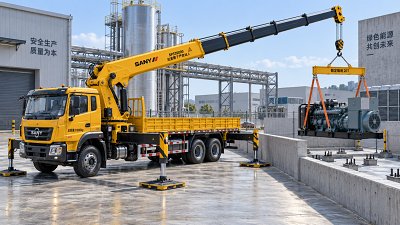
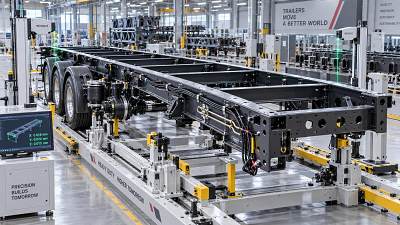
For infrastructure use, modular chassis design matters. The same base truck military vehicle may need cranes, tanks, trailers, or equipment racks.
Infrastructure selection focus
- Prioritize body-builder documentation and mounting interfaces.
- Compare turning radius on narrow temporary roads.
- Check trailer compatibility and towing equipment ratings.
- Evaluate driver visibility during site maneuvering.
Scenario Four: Emergency Rescue and Disaster Response
Floods, earthquakes, wildfires, and landslides demand vehicles that can reach damaged areas while carrying equipment and personnel.
A truck military solution for rescue work must balance mobility with safety, communications, power supply, and rapid deployment readiness.
Deep-water fording, winches, lighting, onboard generators, and recovery points may be more valuable than maximum payload.
Emergency fleets also need easy operation. Complex systems without training can slow response during critical hours.
Rescue-oriented judgment points
- Confirm fording depth and water sealing specifications.
- Verify recovery hooks, winch rating, and anchoring structure.
- Assess lighting, communications, and auxiliary power options.
- Demand training materials for rapid team familiarization.
Different Scenarios Create Different Truck Military Priorities
The same truck military model can perform well in one mission and underperform in another. Selection must compare scenario-specific priorities.
This comparison prevents one-dimensional decisions. It also improves supplier discussions by linking requirements to measurable working conditions.
Scenario Fit Advice for Safer Selection
A practical truck military evaluation should combine technical checks, supplier checks, and operational checks.
- Define terrain by slope, surface, temperature, altitude, dust, water, and average load.
- Match axle configuration to traction needs, not only advertised off-road capability.
- Confirm cooling, braking, and filtration for low-speed heavy operation.
- Review body adaptation drawings before approving vehicle configuration.
- Request spare parts lists, lead times, and maintenance training details.
- Compare supplier export experience, certifications, and after-sales response records.
When evaluating a truck military supplier internationally, documentation quality is a strong signal. Clear manuals often reflect mature engineering control.
Digital B2B platforms can support supplier discovery, product comparison, and cross-border communication for heavy truck and equipment sourcing.
Common Misjudgments in Harsh Terrain Procurement
Many truck military selection failures come from assuming that rugged appearance equals mission suitability.
A reinforced bumper, large tires, or high ground clearance may not solve overheating, weak braking, or poor sealing.
Mistake one: Comparing only engine power
Engine output matters, but torque delivery, transmission ratios, axle strength, and cooling capacity decide real terrain performance.
Mistake two: Ignoring recovery planning
Even a capable truck military vehicle can become immobilized. Recovery hooks, winches, towing bars, and access points should be planned early.
Mistake three: Underestimating parts logistics
Remote operations require predictable parts supply. A low purchase price can become expensive when critical components are unavailable.
Mistake four: Missing regulatory constraints
Export controls, emissions rules, road permissions, and local registration requirements may affect truck military deployment in commercial settings.
Supplier Reliability Is Part of Terrain Performance
Harsh terrain exposes weak supply chains as quickly as weak mechanical systems.
A dependable truck military partner should provide consistent specifications, traceable components, realistic delivery schedules, and responsive technical communication.
The Global Heavy Truck Industry Platform supports this process by connecting international heavy truck resources across chassis, complete vehicles, trailers, machinery, and spare parts.
Its digital marketplace helps compare products, evaluate supplier capabilities, and identify suitable partners for complex land transportation equipment projects.
Industry directories, market insights, and buying guides also improve truck military sourcing decisions before costly field trials begin.
Action Guide: Build a Truck Military Shortlist With Evidence
The next step is to convert terrain risk into a structured shortlist.
- Prepare a route profile with load, climate, speed, and service conditions.
- Request configuration sheets for each truck military candidate.
- Compare maintenance intervals, diagnostic tools, and spare parts packages.
- Ask for similar project references in harsh terrain operations.
- Use supplier platforms to cross-check capability, product range, and export readiness.
A truck military decision should be evidence-led, scenario-specific, and lifecycle-focused.
When terrain, mission, support, and supplier reliability align, the selected vehicle becomes a long-term operational asset.
For harsh terrain projects, structured comparison through a global heavy truck platform can reduce uncertainty and improve sourcing confidence.
Trending News
- How to compare concrete mixer truck suppliers by total landed cost
- How axle load limits affect low bed trailer exports to Southeast Asia
- How to locate a truck exhaust system leak before replacing parts
- When does heavy equipment transport require a lowboy trailer?
- When does a light commercial vehicle for urban delivery save fleet costs?
Tag
Recommended News
 Buying GuideHow to compare concrete mixer truck suppliers by total landed costCompare truck cement mixer supplier quotes by total landed cost, including freight, duties, and delivery. Uncover hidden charges and choose the best-value truck for your fleet.
 Buying GuideWhen does heavy equipment transport require a lowboy trailer?Does your heavy equipment need a lowboy trailer? Discover how loaded height, weight distribution, loading access, and route limits determine the right choice for safe transport.
 Buying GuideHow to choose an off road truck for steep and unstable job sitesChoose the right off road truck for steep, unstable job sites. Compare traction, braking, stability, clearance, payload, and route-test essentials.
 Buying GuideHow to match crane truck lifting capacity to your jobsite loadsCrane truck capacity planning made clear: calculate gross load, radius, rigging, outriggers, and ground conditions to select safer, job-ready lifting equipment.
 Buying GuideHow to match lowbed trailer deck height to your hauling equipmentLowbed trailer deck height guide: match equipment clearance, ramp geometry, axle loads, tractor fit, and route limits for safer, more efficient hauling.
 Buying GuideWhat to verify before choosing a delivery truck supplier for school transportationDelivery truck supplier for school transportation: verify route fit, payload, safety, compliance, service support, and total cost before choosing a reliable partner.
 Buying GuideWhat an excavator manufacturer catalog should show before you compare modelsExcavator manufacturer catalog guide: verify supplier identity, configurations, hydraulics, compliance, parts support, and delivery readiness before comparing models.
 Buying GuideWhat to check before appointing a bulldozer distributorBulldozer distributor selection guide: evaluate service, parts availability, warranty, pricing, compliance, and lifecycle value to reduce downtime and protect fleet investment.
 Buying GuideWhat to verify before choosing a truck cement mixer supplierTruck cement mixer supplier checklist: verify chassis fit, drum quality, hydraulics, compliance, spare parts, and after-sales support before you buy.
 Buying GuideHow to verify a truck spare parts supplier before placing a bulk orderTruck spare parts supplier verification made practical: learn how to check part specifications, factory control, test records, samples, pricing, and delivery capability before placing a bulk order.
 Buying GuideWhat size truck container is right for a typical freight load?Truck container sizing made simple: compare payload, volume, pallet layouts, route access, and loading needs to choose the most efficient freight solution.
 Buying GuideWhat drives semi trailer price differences between similar models?Semi trailer price differences come down to frame materials, axles, suspension, coating, and configuration. Compare specifications line by line to choose lasting value.
 Buying GuideHow to compare excavator manufacturer price lists before requesting quotesCompare an excavator manufacturer price list with confidence. Learn to normalize configurations, calculate landed costs, assess options and service, and create stronger RFQs.
 Buying GuideHow to choose a mixer truck drum capacity for your concrete pourMixer truck capacity guide: match drum size to pour rate, legal payload, site access, and delivery cycles for efficient, reliable concrete placement.
 Buying GuideHow to size a bulldozer for construction site grading workBulldozer for construction sizing guide: match weight, blade, traction, grade control, and transport needs to improve grading productivity and costs.
 Buying GuideHow to assess a truck cement manufacturer’s build quality before orderingTruck cement manufacturer build quality: assess tank steel, welding, chassis integration, pneumatic systems, factory QC, and inspection evidence before ordering.
 Buying GuideWhen does a truck trailer OEM make sense for private-label fleets?Truck trailer OEM programs help private-label fleets cut lifecycle costs, standardize operations, and improve uptime. Learn when customization delivers real commercial value.
 Buying GuideWhat to verify before choosing a water truck OEM for your fleetWater truck OEM selection guide: verify chassis compatibility, tank quality, pump performance, compliance, and service support to build a safer, more reliable fleet.
 Buying GuideHow to size a cab chassis truck for a fire department apparatusCab chassis truck for fire department sizing guide: balance GVWR, axle loads, wheelbase, water tank placement, and mission needs for safer apparatus design.
 Buying GuideWhat to verify before choosing a truck chassis supplierChoose the right truck chassis supplier with a practical checklist for application fit, axle ratings, body integration, quality control, delivery reliability, and after-sales support.
 Buying GuideHow to choose a logging truck for steep and rough forest roadsLogging truck selection for steep, rough forest roads: compare traction, braking, gearing, chassis strength, tires, and supplier support for safer, more reliable hauling.
 Buying GuideHow to choose a flatbed trailer deck length for oversized loadsFlatbed trailer deck length guide for oversized loads: balance cargo support, axle weight, securement space, overhang, and route access for safer transport.
 Buying GuideHow to assess a truck chassis supplier for trailer manufacturingTruck chassis supplier for trailer manufacturing: learn how to assess technical fit, quality control, engineering support, and delivery reliability for smarter sourcing.
 Buying GuideIs the SHACMAN H3000 6×4 Cement Mixer suitable for large projects?SHACMAN H3000 6×4 Cement Mixer: assess payload, cycle time, traction, and service support to see if it can keep large concrete projects moving efficiently.
 Buying GuideHow to evaluate heavy duty trucks for sale in Russia before buyingHeavy duty trucks for sale in Russia: learn how to compare specifications, winter readiness, service support, supplier reliability, and total ownership costs before buying.