Truck Cement OEM: Key Specs That Affect Payload
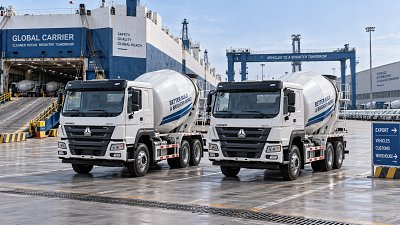
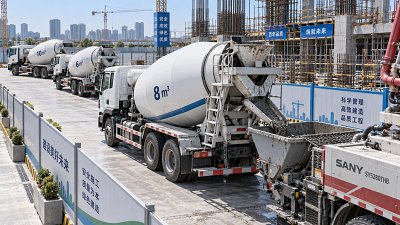
Selecting a truck cement OEM is not only about mixer volume or engine power—it is a payload optimization decision shaped by chassis strength, axle configuration, curb weight, drum design, and compliance limits. For technical evaluators comparing suppliers across global markets, understanding these key specifications helps identify cement trucks that can carry more efficiently without compromising safety, durability, or regulatory performance. This guide highlights the critical OEM parameters that directly influence real-world payload and long-term operating value.
In international B2B sourcing, payload is rarely determined by one headline figure. A 10 m³ mixer body, a 6x4 chassis, or a high-torque engine may look suitable on paper, yet usable load can change significantly after accounting for curb weight, axle limits, legal gross vehicle weight, and mixer body structure.
For technical evaluators, the objective is to compare truck cement OEM proposals using measurable specifications. The right assessment framework helps buyers avoid underloaded fleets, premature chassis fatigue, compliance penalties, and higher lifetime operating costs across construction, infrastructure, and ready-mix concrete delivery operations.
Understanding Payload in Cement Mixer Truck Procurement
Payload is the difference between permitted gross vehicle weight and actual unladen operating weight. For a truck cement OEM, this calculation must include chassis, cab, mixer drum, hydraulic system, water tank, fuel, tools, driver allowance, and optional equipment.
A typical heavy-duty cement mixer may operate within 25–32 tonnes gross vehicle weight depending on regional regulations and axle configuration. However, two trucks with similar drum capacity can differ by 600–1,200 kg in curb weight, directly reducing concrete payload.
Why Nominal Drum Volume Can Be Misleading
Nominal drum volume is often used in early supplier screening, but it does not equal legal transportable concrete volume. Practical loading depends on drum geometry, mixing efficiency, concrete density, and safe fill ratio, usually assessed within a defined operating range.
For example, concrete density often ranges from 2,300–2,450 kg/m³. A small change of 0.5 m³ in usable volume can therefore affect payload by more than 1,100 kg, making drum utilization a major technical and commercial factor.
Key Payload Formula for Evaluation
- Legal payload = permitted GVW minus operating curb weight.
- Concrete payload = usable drum volume multiplied by concrete density.
- Acceptable configuration = lower of legal payload and safe mixer operating payload.
- Evaluation margin should allow 3%–5% tolerance for fuel, water, tools, and site conditions.
This is why technical buyers should request a complete weight breakdown from every truck cement OEM, not only a brochure specification. Without axle-level weight distribution, a truck may be compliant when empty but overloaded at the rear tandem during operation.
Chassis, Axle Layout, and GVW: The Foundation of Payload
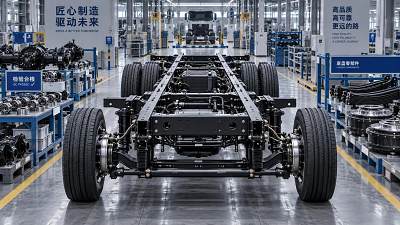
The chassis sets the physical and regulatory boundary for payload. Frame strength, axle rating, suspension design, and wheelbase determine whether a cement mixer truck can carry heavy wet concrete repeatedly over urban roads, quarry access routes, or infrastructure sites.
Common mixer truck layouts include 4x2, 6x4, 8x4, and region-specific multi-axle configurations. A 6x4 may suit 8–10 m³ applications, while an 8x4 can support higher GVW where road regulations allow 31–41 tonnes.
The table below summarizes how major chassis specifications affect payload decisions when comparing a truck cement OEM across different markets and applications.
The key conclusion is that higher GVW alone does not guarantee better payload. A reinforced frame, larger suspension, or oversized drivetrain may add hundreds of kilograms, so evaluators should compare net payload after full body installation.
Axle Load Distribution and Site Safety
Cement mixer trucks carry a moving load. During acceleration, braking, and cornering, wet concrete shifts inside the drum. This dynamic load makes axle distribution more critical than in many dry cargo applications.
A practical truck cement OEM proposal should include empty, half-loaded, and fully loaded axle weight estimates. For demanding routes, evaluators may request simulation at gradients of 8%–12% or low-speed turning conditions at construction entrances.
Curb Weight Control: Where Payload Is Won or Lost
Curb weight is one of the most direct levers in payload optimization. Every kilogram saved in non-revenue equipment can become additional sellable concrete, provided safety, structural integrity, and regulatory requirements remain intact.
In typical OEM comparisons, weight differences come from cab type, engine displacement, transmission, frame reinforcement, tire specification, mixer subframe, drum steel grade, hydraulic layout, and optional accessories such as water pumps or rear discharge systems.
Lightweighting Without Reducing Durability
A competent truck cement OEM should not reduce weight by simply thinning structural components. Durable lightweighting usually comes from optimized material selection, finite element review, compact hydraulic routing, and better integration between chassis and mixer body.
For high-cycle fleets, a 200 kg weight saving is useful only if it does not increase cracking, drum wear, or mounting bolt fatigue after 12–24 months of operation. Payload gain must be evaluated with lifecycle cost.
Curb Weight Checklist for Technical Review
- Request certified or factory-measured curb weight with fuel and standard tools defined.
- Separate chassis weight from mixer superstructure weight for accurate comparison.
- Confirm whether optional equipment adds 50–300 kg to the final specification.
- Verify axle weight both before and after mixer body installation.
- Compare payload using identical assumptions for concrete density and fill ratio.
This checklist prevents misleading comparisons between suppliers. A truck advertised with a lower curb weight may exclude spare tire, ladder, fenders, water system, or emissions aftertreatment equipment required in the buyer’s market.
Mixer Drum Design and Concrete Carrying Efficiency
The mixer drum is not just a container; it is a rotating process component. Drum volume, blade geometry, inclination angle, material thickness, and discharge performance all affect usable payload, mixing quality, and site productivity.
A truck cement OEM should specify geometric volume, mixing volume, water tank capacity, drum speed, discharge rate, and residual concrete ratio. Typical drum speeds may range from 0–14 rpm depending on mixing or transport mode.
The following table shows practical mixer body parameters that should be evaluated before selecting an OEM configuration for ready-mix, infrastructure, or urban distribution work.
A larger drum may look attractive, but oversized capacity can create compliance problems if the chassis cannot legally carry the corresponding concrete mass. The best configuration aligns drum capacity, axle rating, and actual fleet operating routes.
Residual Concrete and Productivity Loss
Residual concrete after discharge reduces effective payload on the next trip and increases cleaning time. Even a 1%–2% residual difference can affect daily delivery efficiency when a truck completes 4–8 cycles per day.
Evaluators should ask the truck cement OEM about blade design, discharge chute angle, maintenance access, and drum inner surface treatment. These details influence both payload utilization and concrete quality at the job site.
Powertrain, Braking, and Terrain Requirements
Payload cannot be separated from powertrain performance. A fully loaded cement truck must accelerate safely, climb access roads, maintain cooling performance, and stop repeatedly under demanding working cycles.
Engine output should be assessed by torque curve rather than peak horsepower alone. Many mixer applications require strong low-speed torque between 1,000–1,500 rpm, especially on construction roads, ramps, and batching plant exits.
Matching Powertrain to Payload
For heavy-duty mixer trucks, engines often fall within 280–450 hp depending on GVW, terrain, emissions level, and route profile. Transmission ratios and rear axle reduction must support low-speed control without excessive fuel consumption.
A truck cement OEM should also provide braking system details, including service brakes, engine brake, retarder options, ABS, and stability features where applicable. For high-payload routes, braking capacity is as important as pulling power.
Technical Questions to Ask Suppliers
- What is the recommended GVW and maximum gradeability at full load?
- Which emissions standard is available, such as Euro III, Euro V, or Euro VI equivalent?
- What cooling package is supplied for 35°C–45°C ambient operating conditions?
- Is a hydraulic retarder or engine brake recommended for downhill routes above 6% grade?
These questions help technical evaluators move beyond price comparison. A lower-cost drivetrain may reduce upfront investment but create fuel, brake wear, and overheating risks under high-frequency concrete delivery cycles.
Compliance, Documentation, and OEM Verification
Global sourcing requires careful verification because legal payload depends on local rules. A configuration acceptable in one country may need different axle spacing, lighting, emissions, underrun protection, or registration documents in another.
When evaluating a truck cement OEM through an international B2B platform, buyers should request structured documents early. This reduces delays during customs clearance, inspection, fleet registration, and final acceptance.
Recommended 5-Step Verification Process
- Define target market rules for GVW, axle load, emissions, and safety equipment.
- Request technical drawings, weight table, chassis certificate, and mixer body specification.
- Compare at least 3 supplier proposals using the same payload calculation method.
- Confirm production lead time, typically 30–90 days depending on customization.
- Plan pre-shipment inspection for dimensions, VIN, axle rating, hydraulic function, and drum operation.
This process supports transparent procurement and helps reduce specification disputes. It is especially valuable for distributors, fleet operators, and engineering contractors purchasing across multiple countries or project phases.
Documents Worth Requesting Before Purchase
- Chassis specification sheet with axle ratings and tire load index.
- Mixer body drawing showing center of gravity and mounting position.
- Hydraulic system component list and maintenance intervals.
- Curb weight confirmation and final inspection checklist.
- Warranty terms covering chassis, mixer body, and major components separately.
The Global Heavy Truck Industry Platform helps buyers organize supplier comparisons across truck chassis, complete trucks, trailers, construction machinery, and spare parts. For technical teams, this creates a practical path from specification review to supplier engagement.
Common Mistakes That Reduce Real-World Payload
Payload losses often come from procurement assumptions rather than vehicle defects. Technical evaluators should identify these risks before purchase, because correction after delivery can be expensive and may require re-registration or structural modification.
Mistake 1: Comparing Capacity Without Weight Data
A 12 m³ drum is not automatically better than a 10 m³ drum. If the legal payload cannot support the additional concrete weight, the larger drum may operate partially loaded, reducing the expected return on investment.
Mistake 2: Ignoring Regional Road Limits
Axle limits vary by market and road type. A truck cement OEM configuration should be checked against national, provincial, and project-specific requirements, especially for urban bridges, temporary roads, and mining access routes.
Mistake 3: Over-Specifying Accessories
Extra ladders, enlarged water tanks, heavy bumpers, spare tire carriers, toolboxes, and auxiliary equipment may add 100–500 kg. Some accessories are necessary, but every item should be justified against payload value.
Mistake 4: Treating Maintenance as Separate From Payload
Poor maintenance increases practical weight through concrete buildup, worn blades, hydraulic leakage, and unplanned spare equipment. Cleaning frequency, drum inspection, and lubrication intervals should be included in fleet operating procedures.
How Technical Evaluators Can Build a Better OEM Shortlist
A strong shortlist should combine engineering fit, supplier transparency, after-sales capability, and delivery reliability. For cement mixer trucks, the best truck cement OEM is the one that proves payload performance with data, drawings, and practical application support.
Technical teams can score suppliers using 6 weighted categories: legal payload, axle distribution, mixer body quality, powertrain suitability, documentation completeness, and service support. Each category can be rated from 1 to 5 for consistent comparison.
Suggested Shortlist Criteria
- Payload calculation is clear, repeatable, and based on declared curb weight.
- Chassis and mixer body are matched for the target route and GVW class.
- Supplier provides drawings, axle data, hydraulic specifications, and maintenance guidance.
- Lead time, spare parts availability, and warranty scope are stated before contract signing.
- Customization is available without creating compliance or registration uncertainty.
For cross-border procurement, an industry-focused digital marketplace adds value by helping buyers compare suppliers, review product categories, and access market guidance. This is especially useful when sourcing complete trucks, chassis, mixer bodies, and replacement parts together.
Choosing a truck cement OEM for maximum payload requires disciplined evaluation of chassis capacity, axle layout, curb weight, drum efficiency, powertrain suitability, and compliance documentation. A technically balanced truck carries more usable concrete while protecting safety, durability, and operating economics.
If your team is comparing cement mixer truck suppliers for infrastructure, ready-mix, municipal, or industrial transport projects, the Global Heavy Truck Industry Platform can support product discovery, supplier comparison, and specification review. Consult product details, explore available configurations, or request a tailored sourcing solution today.
Trending News
- How to compare concrete mixer truck suppliers by total landed cost
- How axle load limits affect low bed trailer exports to Southeast Asia
- How to locate a truck exhaust system leak before replacing parts
- When does heavy equipment transport require a lowboy trailer?
- When does a light commercial vehicle for urban delivery save fleet costs?
Tag
Recommended News
 Buying GuideHow to compare concrete mixer truck suppliers by total landed costCompare truck cement mixer supplier quotes by total landed cost, including freight, duties, and delivery. Uncover hidden charges and choose the best-value truck for your fleet.
 Buying GuideWhen does heavy equipment transport require a lowboy trailer?Does your heavy equipment need a lowboy trailer? Discover how loaded height, weight distribution, loading access, and route limits determine the right choice for safe transport.
 Buying GuideHow to choose an off road truck for steep and unstable job sitesChoose the right off road truck for steep, unstable job sites. Compare traction, braking, stability, clearance, payload, and route-test essentials.
 Buying GuideHow to match crane truck lifting capacity to your jobsite loadsCrane truck capacity planning made clear: calculate gross load, radius, rigging, outriggers, and ground conditions to select safer, job-ready lifting equipment.
 Buying GuideHow to match lowbed trailer deck height to your hauling equipmentLowbed trailer deck height guide: match equipment clearance, ramp geometry, axle loads, tractor fit, and route limits for safer, more efficient hauling.
 Buying GuideWhat to verify before choosing a delivery truck supplier for school transportationDelivery truck supplier for school transportation: verify route fit, payload, safety, compliance, service support, and total cost before choosing a reliable partner.
 Buying GuideWhat an excavator manufacturer catalog should show before you compare modelsExcavator manufacturer catalog guide: verify supplier identity, configurations, hydraulics, compliance, parts support, and delivery readiness before comparing models.
 Buying GuideWhat to check before appointing a bulldozer distributorBulldozer distributor selection guide: evaluate service, parts availability, warranty, pricing, compliance, and lifecycle value to reduce downtime and protect fleet investment.
 Buying GuideWhat to verify before choosing a truck cement mixer supplierTruck cement mixer supplier checklist: verify chassis fit, drum quality, hydraulics, compliance, spare parts, and after-sales support before you buy.
 Buying GuideHow to verify a truck spare parts supplier before placing a bulk orderTruck spare parts supplier verification made practical: learn how to check part specifications, factory control, test records, samples, pricing, and delivery capability before placing a bulk order.
 Buying GuideWhat size truck container is right for a typical freight load?Truck container sizing made simple: compare payload, volume, pallet layouts, route access, and loading needs to choose the most efficient freight solution.
 Buying GuideWhat drives semi trailer price differences between similar models?Semi trailer price differences come down to frame materials, axles, suspension, coating, and configuration. Compare specifications line by line to choose lasting value.
 Buying GuideHow to compare excavator manufacturer price lists before requesting quotesCompare an excavator manufacturer price list with confidence. Learn to normalize configurations, calculate landed costs, assess options and service, and create stronger RFQs.
 Buying GuideHow to choose a mixer truck drum capacity for your concrete pourMixer truck capacity guide: match drum size to pour rate, legal payload, site access, and delivery cycles for efficient, reliable concrete placement.
 Buying GuideHow to size a bulldozer for construction site grading workBulldozer for construction sizing guide: match weight, blade, traction, grade control, and transport needs to improve grading productivity and costs.
 Buying GuideHow to assess a truck cement manufacturer’s build quality before orderingTruck cement manufacturer build quality: assess tank steel, welding, chassis integration, pneumatic systems, factory QC, and inspection evidence before ordering.
 Buying GuideWhen does a truck trailer OEM make sense for private-label fleets?Truck trailer OEM programs help private-label fleets cut lifecycle costs, standardize operations, and improve uptime. Learn when customization delivers real commercial value.
 Buying GuideWhat to verify before choosing a water truck OEM for your fleetWater truck OEM selection guide: verify chassis compatibility, tank quality, pump performance, compliance, and service support to build a safer, more reliable fleet.
 Buying GuideHow to size a cab chassis truck for a fire department apparatusCab chassis truck for fire department sizing guide: balance GVWR, axle loads, wheelbase, water tank placement, and mission needs for safer apparatus design.
 Buying GuideWhat to verify before choosing a truck chassis supplierChoose the right truck chassis supplier with a practical checklist for application fit, axle ratings, body integration, quality control, delivery reliability, and after-sales support.
 Buying GuideHow to choose a logging truck for steep and rough forest roadsLogging truck selection for steep, rough forest roads: compare traction, braking, gearing, chassis strength, tires, and supplier support for safer, more reliable hauling.
 Buying GuideHow to choose a flatbed trailer deck length for oversized loadsFlatbed trailer deck length guide for oversized loads: balance cargo support, axle weight, securement space, overhang, and route access for safer transport.
 Buying GuideHow to assess a truck chassis supplier for trailer manufacturingTruck chassis supplier for trailer manufacturing: learn how to assess technical fit, quality control, engineering support, and delivery reliability for smarter sourcing.
 Buying GuideIs the SHACMAN H3000 6×4 Cement Mixer suitable for large projects?SHACMAN H3000 6×4 Cement Mixer: assess payload, cycle time, traction, and service support to see if it can keep large concrete projects moving efficiently.
 Buying GuideHow to evaluate heavy duty trucks for sale in Russia before buyingHeavy duty trucks for sale in Russia: learn how to compare specifications, winter readiness, service support, supplier reliability, and total ownership costs before buying.