Light Duty Truck With Durable Engine: What Matters Most
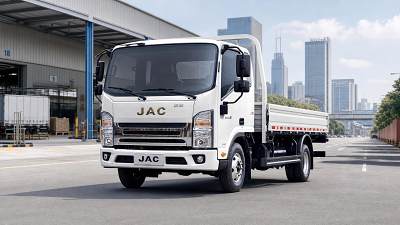
Choosing a light duty truck with durable engine is about more than brochure numbers. It affects uptime, fuel costs, payload consistency, and service planning. In logistics, municipal delivery, and light construction, the right truck keeps work moving without frequent breakdowns or expensive downtime.
A durable engine matters because a light truck often works under mixed conditions. It may run short urban routes, idle in traffic, carry shifting loads, and face heat, dust, or poor road surfaces. Real reliability comes from the whole vehicle, not engine power alone.
Why a Checklist Helps When Comparing a Light Duty Truck With Durable Engine
Many trucks look similar on paper. Engine displacement, horsepower, and torque are useful, but they do not fully show long-term durability. A checklist helps separate marketing claims from operating value.
It also reduces buying mistakes. A truck with strong engine output but weak cooling, poor parts access, or limited service support may create higher lifetime costs than a balanced model with proven reliability.
Core Checklist: What Matters Most
- Check engine platform history. Choose an engine family with a long service record in similar road, climate, and load conditions rather than a new design with limited field data.
- Verify torque delivery at low and mid rpm. A light duty truck with durable engine should pull smoothly under load without constant high-rev operation that increases wear and fuel use.
- Inspect cooling system capacity. Radiator size, fan performance, airflow routing, and coolant stability all influence engine life, especially in stop-start traffic and hot-weather delivery cycles.
- Review filtration quality. Durable air, fuel, and oil filtration protects internal engine components from dust, contaminated fuel, and extended drain interval risks in harsh transport environments.
- Confirm transmission matching. Even a strong engine wears faster if gear ratios force repeated lugging, over-revving, or inefficient shifting during urban hauling or regional distribution work.
- Examine chassis and suspension compatibility. A durable engine performs best when frame strength, axle rating, and suspension design support stable load handling and reduce driveline stress.
- Ask about maintenance intervals. Compare oil change cycles, filter replacement frequency, valve adjustment needs, and access points because service simplicity affects real operating uptime.
- Study fuel system durability. Injection components, fuel pump quality, and tolerance to variable diesel quality are critical when trucks operate across regions with inconsistent fuel standards.
- Check emission system reliability. EGR, DPF, and SCR systems must match route patterns, because frequent low-speed use can create clogging or regeneration issues if calibration is unsuitable.
- Evaluate parts availability. A light duty truck with durable engine still loses value if filters, belts, sensors, injectors, and gasket kits are difficult to source quickly.
- Inspect cab instrumentation and diagnostics. Clear warning systems, fault codes, and service alerts help detect overheating, oil pressure loss, or fuel faults before severe engine damage develops.
- Review warranty and support coverage. Practical warranty terms, regional service access, and technical documentation often reveal how confident a supplier is in engine durability.
Key Performance Signs of a Durable Engine
A reliable engine should start consistently, idle steadily, and maintain temperature under load. It should also deliver clean acceleration without heavy smoke, knocking, or abnormal vibration.
Listen for mechanical smoothness. Excessive noise from timing components, injectors, or turbo systems may indicate poor calibration or early wear. Consistent oil pressure and stable coolant behavior are stronger signals than peak horsepower figures.
Fuel efficiency also matters. A light duty truck with durable engine usually operates efficiently because internal friction, combustion control, and thermal management are better balanced over long service periods.
How Application Changes the Best Choice
Urban Logistics and Last-Mile Delivery
City routes create frequent starts, low average speeds, and extended idling. Here, cooling efficiency, automatic or well-matched transmission ratios, and emission system stability become more important than top-end power.
A light duty truck with durable engine for urban delivery should also have easy service access. Tight schedules leave little room for complex maintenance or long workshop stays.
Regional Distribution
Regional haul work combines highway speed with moderate payloads. Engines in this role benefit from strong mid-range torque, stable cruise efficiency, and gear ratios that reduce sustained high-rpm running.
For these routes, service network coverage matters almost as much as engine design. Parts support across multiple cities reduces downtime when issues appear away from base operations.
Municipal and Utility Work
Municipal trucks often face stop-go movement, PTO use, low-speed operation, and varying driver habits. Engines need robust cooling, stable idle characteristics, and protection against long low-load working hours.
Durability here depends on operating tolerance. A truck that handles irregular use patterns without overheating or aftertreatment faults usually delivers better long-term value.
Light Construction and Site Transport
Construction routes expose trucks to dust, uneven ground, overload temptation, and low-speed climbing. In this case, air filtration, torque reserve, frame strength, and driveline protection are essential.
A light duty truck with durable engine for site work should not be chosen by engine alone. Axles, suspension travel, and underbody protection directly affect engine stress and service life.
Commonly Overlooked Risks
Ignoring Real Payload Patterns
Many trucks spend their lives above typical brochure assumptions. Repeated heavy loading pushes the engine, gearbox, and cooling system harder, shortening durability even when rated capacity is technically respected.
Focusing Only on Horsepower
Higher horsepower does not guarantee better reliability. An engine with practical torque, lower stress operation, and proven service records is often the better choice for long-term transport work.
Underestimating Fuel Quality
Sensitive injection systems may suffer in regions where diesel cleanliness varies. Without strong filtration and fuel tolerance, even a respected engine platform can experience injector or pump failures.
Overlooking Service Access
If routine service points are difficult to reach, maintenance gets delayed. Delayed oil, filter, and coolant checks often damage the reliability of a light duty truck with durable engine.
Neglecting Supplier Transparency
A trustworthy supplier should provide engine data, maintenance guidance, emissions details, and parts support information clearly. Limited transparency is often a warning sign during truck selection.
Practical Steps Before Making a Decision
- Request full engine and drivetrain specifications, not just headline power and torque figures.
- Compare service intervals, filter specifications, and cooling system layouts across shortlisted models.
- Ask for operating examples in applications similar to your actual route and payload conditions.
- Inspect parts supply speed for wear items and critical components in your target market.
- Review after-sales coverage, technical support channels, and warranty response procedures before ordering.
- Test drive with load whenever possible to judge throttle response, shift behavior, braking balance, and cooling stability.
Use Better Market Information Before You Buy
When evaluating a light duty truck with durable engine, good market visibility saves time and reduces risk. A specialized industry platform can help compare truck categories, supplier backgrounds, spare parts support, and application-focused product options.
The Global Heavy Truck Industry Platform connects global commercial vehicle resources across trucks, chassis, trailers, construction machinery, and parts. It supports more informed sourcing by combining product discovery, supplier comparison, and industry insight in one place.
Conclusion and Next Action
The best light duty truck with durable engine is not simply the one with the biggest output. It is the truck that matches route conditions, load demands, maintenance capability, and parts access with proven engine reliability.
Start with a checklist. Verify engine history, cooling, filtration, transmission matching, emissions suitability, and service support. Then compare suppliers using dependable industry information before moving to final selection.
That approach leads to a truck that delivers stronger uptime, lower lifecycle cost, and better daily performance in real transport operations.
Trending News
- How to compare concrete mixer truck suppliers by total landed cost
- How axle load limits affect low bed trailer exports to Southeast Asia
- How to locate a truck exhaust system leak before replacing parts
- When does heavy equipment transport require a lowboy trailer?
- When does a light commercial vehicle for urban delivery save fleet costs?
Tag
Recommended News
 Truck ReviewsBulk Trailer Capacity vs Stability: What Matters Most on SiteBulk trailer decisions are not just about capacity. Learn how stability, axle setup, tipping safety, and site conditions affect real productivity and smarter fleet performance.
 Truck ReviewsSHACMAN X5000 6×4 Dump Truck: Payload, Fuel Use, and Site Fit ExplainedSHACMAN X5000 6×4 Dump truck guide covering payload, fuel use, and site fit. See how this heavy-duty model supports smarter hauling decisions and lower operating risk.
 Truck ReviewsMixer Truck Capacity Guide: Choosing the Right Size for Jobsite EfficiencyMixer truck capacity guide for better jobsite efficiency. Learn how to choose the right size to reduce trips, improve concrete delivery flow, and compare supplier options with confidence.
 Truck ReviewsWheel Loader vs Excavator: Which Handles Mixed Jobsite Loading BetterWheel loader or excavator? Discover which machine handles mixed jobsite loading better, cuts delays, improves truck flow, and delivers stronger site efficiency.
 Truck ReviewsHow to Choose a Log Truck for Steep Terrain and Long HaulsLog truck selection guide for steep terrain and long hauls. Learn how to compare drivetrain, braking, payload, and durability to cut risk, improve uptime, and choose the right truck.
 Truck ReviewsTruck Dozer vs Wheel Dozer: Which Fits Tough Jobsite ConditionsTruck dozer vs wheel dozer: discover which machine performs better in soft ground, rock, slopes, and fast cycles, and choose the right fit for tough jobsites with confidence.
 Truck ReviewsCurtain Side Trailer vs Box Trailer for Mixed Cargo LoadsCurtain side trailer vs box trailer: discover which option handles mixed cargo loads better for faster loading, stronger protection, and more efficient multi-stop deliveries.
 Truck ReviewsTruck Tipper for Construction: Key Specs That Affect Loading EfficiencyTruck tipper for construction buying guide: compare body volume, hydraulics, chassis strength, axle setup, and tipping angle to improve loading efficiency and jobsite output.
 Truck ReviewsSHACMAN X5000 6×4 Dump Truck: Payload, Fuel Use, and Jobsite FitSHACMAN X5000 6×4 Dump truck insights on payload, fuel use, and jobsite fit. See how it performs in construction, quarry, and infrastructure work before you buy.
 Truck ReviewsHeavy Duty Trucks for Sale: Compare Payload, Fuel Use, and Service LifeHeavy duty trucks for sale: compare payload, fuel use, and service life to find reliable, cost-efficient transport solutions and smarter global sourcing options.
 Truck ReviewsTruck Excavator vs Standard Digger for Tight Job SitesTruck excavator or standard digger for tight job sites? Compare mobility, stability, setup speed, and real productivity to choose the smarter machine.
 Truck ReviewsSHACMAN X5000 6×4 Dump Truck Review for Heavy HaulSHACMAN X5000 6×4 Dump truck review for heavy haul: compare performance, payload, durability, safety, costs, and sourcing tips for demanding projects.
 Truck ReviewsLight Duty Truck With Durable Engine: What Matters MostLight duty truck with durable engine: discover the key checks for uptime, lower fuel costs, smarter maintenance, and reliable performance before you buy.
 Truck ReviewsWhat Makes a Truck Tipper for Construction Perform Better On-Site?Truck tipper for construction performance depends on site conditions, body strength, hydraulics, and traction. Learn how to choose the right model for safer, faster, more efficient jobs.
 Truck ReviewsLogging Truck Producer Comparison: Durability Issues That Affect UptimeLogging truck producer comparison guide: discover the durability issues that impact uptime, repair costs, and safety, and learn how to choose a truck built for harsh forestry transport.
 Truck ReviewsTruck Tipper for Construction: When Payload Matters More Than PriceTruck tipper for construction buying guide: learn why payload, durability, and cycle efficiency matter more than price to cut costs, boost uptime, and improve site productivity.
 Truck ReviewsCrane Truck Manufacturer Comparison for Urban Lifting and Narrow SitesCrane truck manufacturer comparison for urban lifting: discover how to choose compact, safe, high-efficiency models for narrow sites, faster setup, and reliable support.
 Truck ReviewsTruck Cement Mixer Manufacturer Comparison: Drum Design, Output, and ServiceTruck cement mixer manufacturer comparison guide covering drum design, real output, and after-sales service. Help your team compare suppliers, reduce sourcing risk, and choose with confidence.
 Truck ReviewsTruck Tipper Manufacturer Comparison: Build Quality Points That MatterTruck tipper manufacturer comparison guide: discover the build quality points that truly affect durability, payload stability, maintenance, and long-term operating cost.
 Truck ReviewsTruck Cement for Sale: How to Judge Value From Photos and Spec SheetsTruck cement for sale buyers can learn to judge true value from photos and spec sheets. Spot wear, compare capacity, and avoid costly mistakes before you contact sellers.
 Truck ReviewsLogging Truck Producer Comparison: Features That Matter in Tough TerrainLogging truck producer comparison for tough terrain: discover the features that impact traction, stability, durability, and uptime to choose the right forestry truck with confidence.
 Truck ReviewsLogging Truck Producer Comparison: Capacity, Durability, and ServiceLogging truck producer comparison guide covering capacity, durability, and service. Compare real-world fit, reduce fleet risk, and choose reliable suppliers for forestry transport.
 Truck ReviewsFlatbed Trailer Supplier With High Strength: What Really MattersFlatbed trailer supplier with high strength: learn how to assess materials, structure, compliance, and lifecycle value to choose reliable trailer partners with confidence.
 Truck ReviewsDoes Quick Installation Really Matter When Choosing an Excavator ManufacturerExcavator manufacturer with quick installation: learn why fast setup only matters when paired with reliable performance, lower downtime, operator support, and long-term jobsite efficiency.
 Truck ReviewsWhat Makes a Truck Tipper for Construction Easier to Maintain On SiteTruck tipper for construction models with easy hydraulic access, modular parts, and clear service points cut downtime, lower repair costs, and keep demanding jobsites running.