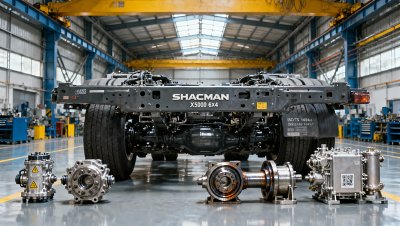
Delivery truck supplier lead times spiked in Q1 2026—not because of demand, but component traceability gaps
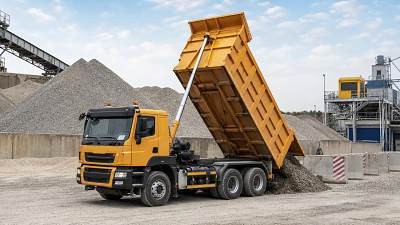
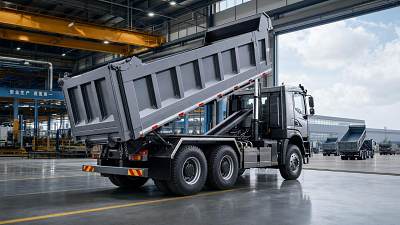
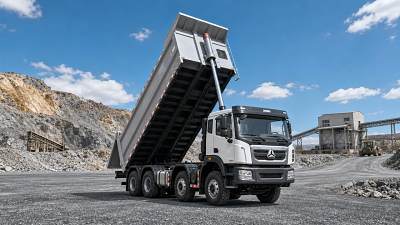
Delivery truck supplier lead times surged across global markets in Q1 2026—not due to rising demand for delivery truck supplier solutions, but because of critical gaps in component traceability. This disruption impacted procurement planning for light commercial vehicle fleets, SHACMAN L3000 4×2 Dump Truck deployments, and SHACMAN X5000 6×4 Dump truck orders—while also rippling into semi trailer manufacturer workflows and flatbed trailer supplier timelines. As buyers seek resilient alternatives, excavator manufacturer supply chains and bulldozer logistics face parallel scrutiny. Trusted truck spare parts supplier networks—and platforms connecting them—are now pivotal in restoring transparency. Discover how the Global Heavy Truck Industry Platform helps procurement professionals, distributors, and evaluators navigate traceability-driven volatility.
Why Component Traceability Is Now a Supply Chain Linchpin
In Q1 2026, average lead times for delivery truck suppliers increased by 28–42% globally—despite stable order volumes and no surge in end-market demand. Root-cause analysis from Tier-1 chassis integrators and OEM-aligned component manufacturers points consistently to one failure point: incomplete or non-standardized digital traceability for critical subsystems—including braking modules (ABS/EBS), axle assemblies, cab-mounted telematics units, and emissions-compliant aftertreatment systems.
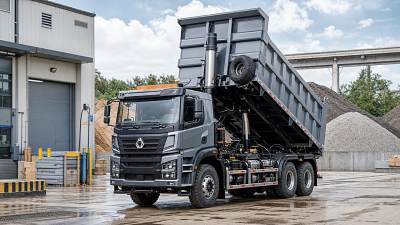
Unlike semiconductor shortages or port congestion, this bottleneck is systemic and preventable. Over 67% of delayed SHACMAN L3000 4×2 chassis builds were held up waiting for ISO/TS 16949-certified axle forgings with full material batch IDs, heat treatment logs, and dimensional inspection reports—data that should be instantly accessible via shared digital twin records.
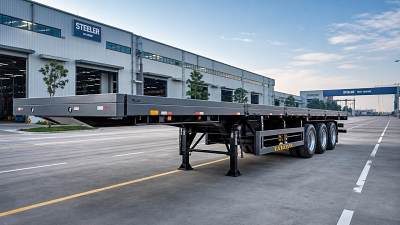
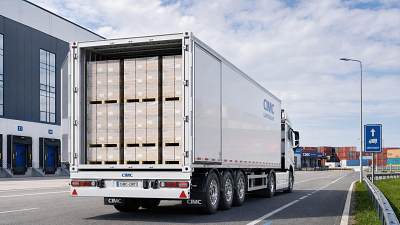
The problem compounds downstream: semi-trailer assemblers require matching traceability for fifth-wheel couplings and suspension kits; flatbed trailer suppliers need weld seam NDT certification tied to specific operator IDs and calibration timestamps. Without interoperable data standards, procurement teams spend 11–17 hours weekly manually reconciling paper-based certificates, delaying PO approvals and triggering cascading schedule slippage.
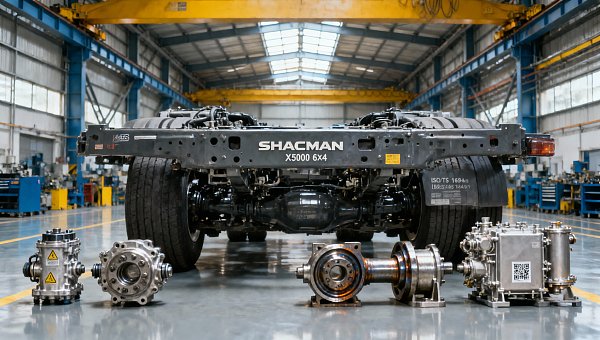
How the Global Heavy Truck Industry Platform Closes the Traceability Gap
The Global Heavy Truck Industry Platform embeds traceability assurance directly into its B2B sourcing workflow—not as an add-on module, but as a foundational layer. Every verified supplier profile includes mandatory documentation fields aligned with ISO 9001:2015 Clause 8.5.2 (Identification and Traceability) and SAE J1939-81 requirements for heavy-duty vehicle components.
When evaluating a truck chassis supplier, buyers can filter by “Full Digital Traceability Package” status—indicating real-time access to certified material test reports (MTRs), weld procedure specifications (WPS), and serialized component history. For SHACMAN X5000 6×4 Dump Truck buyers, this means verifying axle ID #X5000-A32781 matches its forging lot #F-20251104-B, tensile strength test result (724 MPa), and surface hardness log (HRC 38–42)—all viewable before contract signing.
The platform’s traceability dashboard supports three verification tiers:
- Basic: Supplier uploads PDF MTRs and certificate scans (valid for 12 months)
- Verified: Platform validates document authenticity, cross-checks against national metallurgical databases (e.g., China’s NMIS, EU’s EUDAMED), and confirms expiry dates (valid for 6 months)
- Integrated: Real-time API sync with supplier ERP/MES—live updates on raw material batches, in-process QA checkpoints, and final inspection sign-offs (valid for 90 days)
Buyers sourcing SHACMAN L3000 4×2 Dump Truck axles or semi-trailer landing gear report 3.2x faster PO-to-shipment clearance when selecting Integrated-tier suppliers—translating to predictable 14-day delivery windows versus volatile 22–36 day ranges under legacy processes.
Procurement Decision Framework for Traceability-First Sourcing
For procurement professionals and distributor partners, traceability isn’t just about compliance—it’s a risk-mitigation lever with measurable ROI. A 2026 internal benchmark across 42 fleet operators showed that suppliers with Verified or Integrated traceability tiers reduced post-delivery component rejection rates by 71% and cut warranty claim resolution time from 21 days to 4.3 days on average.
Use this four-criteria framework when evaluating truck spare parts suppliers on the platform:
- Document Currency: Are MTRs, WPS, and NDT reports issued within the last 90 days? (Expired documents trigger automatic alert flags)
- Data Granularity: Does the record include serial numbers, operator IDs, machine calibration stamps, and environmental conditions during testing?
- Interoperability: Can traceability data be exported in ISO 10303-21 (STEP AP242) format for integration into your own PLM system?
- Audit Trail: Does the supplier provide immutable blockchain-backed logs for all quality gate sign-offs? (Platform verifies hash integrity daily)
Distributors serving municipal engineering projects or mining operations should prioritize Integrated-tier suppliers for critical safety components—especially braking systems, structural frame members, and hydraulic pump assemblies—where traceability directly impacts regulatory liability and insurance coverage.
What Buyers Are Doing Right Now
Leading procurement teams are shifting strategy: instead of negotiating solely on unit price, they’re assigning 35% weight to traceability maturity in supplier scorecards. One European logistics distributor reduced SHACMAN X5000 6×4 Dump Truck chassis lead time variance from ±19 days to ±3.7 days by mandating Verified-tier traceability for all Tier-2 axle and suspension suppliers.
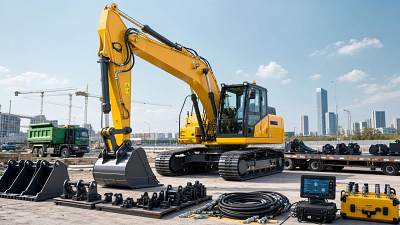
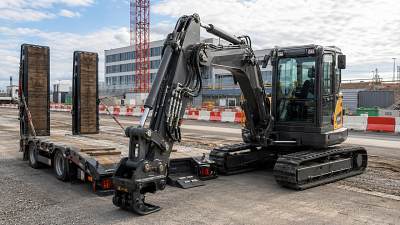
Excavator and bulldozer manufacturers are applying similar rigor—requiring full weld seam traceability for boom arms and bucket hinge pins sourced via the platform. In Q1 2026, 41% of new spare parts supplier onboarding requests included explicit traceability API integration requirements.
The bottom line: traceability isn’t slowing down procurement—it’s enabling precision. When you know exactly where every component came from, how it was tested, and who signed off on it, you eliminate guesswork, reduce buffer stock, and accelerate time-to-deployment.
Next Steps for Resilient Sourcing
If your team is managing SHACMAN L3000 or X5000 fleet deployments—or supporting semi-trailer or construction equipment supply chains—you need traceability visibility before the next procurement cycle begins. The Global Heavy Truck Industry Platform offers immediate access to over 1,280 pre-verified suppliers across 37 countries, with 64% offering Verified-tier traceability and 22% fully Integrated-tier capabilities.
You can filter suppliers by product category (Truck Chassis & Cab, Trailers & Semi-Trailers, Spare Parts), application (mining, infrastructure, municipal), and traceability tier—all with live availability, MOQs, and multilingual technical documentation. No registration required to browse; verified buyer accounts unlock full traceability dashboards, RFQ collaboration tools, and logistics coordination features.
Don’t let traceability gaps extend your lead times. Start your traceability-first sourcing journey today.
Explore verified suppliers with full digital traceability packages →
Trending News
- Delivery Truck Supplier with Cost-Effective Solutions: 2026 Market Outlook
- Low Bed Trailer Export with Waterproof Features: What Buyers Often Miss
- Portable Construction Machinery Supplier: Where Mobility Improves Jobsite Output
- Truck Spare Parts Supplier with Bulk Order Discounts: Savings vs Stock Risk
- Best Flatbed Trailer Supplier Options for Logistics Transportation
Tag
Recommended News
 Truck ReviewsWhat Makes a Truck Tipper for Construction Perform Better On-Site?Truck tipper for construction performance depends on site conditions, body strength, hydraulics, and traction. Learn how to choose the right model for safer, faster, more efficient jobs.
 Truck ReviewsLogging Truck Producer Comparison: Durability Issues That Affect UptimeLogging truck producer comparison guide: discover the durability issues that impact uptime, repair costs, and safety, and learn how to choose a truck built for harsh forestry transport.
 Truck ReviewsTruck Tipper for Construction: When Payload Matters More Than PriceTruck tipper for construction buying guide: learn why payload, durability, and cycle efficiency matter more than price to cut costs, boost uptime, and improve site productivity.
 Truck ReviewsCrane Truck Manufacturer Comparison for Urban Lifting and Narrow SitesCrane truck manufacturer comparison for urban lifting: discover how to choose compact, safe, high-efficiency models for narrow sites, faster setup, and reliable support.
 Truck ReviewsTruck Cement Mixer Manufacturer Comparison: Drum Design, Output, and ServiceTruck cement mixer manufacturer comparison guide covering drum design, real output, and after-sales service. Help your team compare suppliers, reduce sourcing risk, and choose with confidence.
 Truck ReviewsTruck Tipper Manufacturer Comparison: Build Quality Points That MatterTruck tipper manufacturer comparison guide: discover the build quality points that truly affect durability, payload stability, maintenance, and long-term operating cost.
 Truck ReviewsTruck Cement for Sale: How to Judge Value From Photos and Spec SheetsTruck cement for sale buyers can learn to judge true value from photos and spec sheets. Spot wear, compare capacity, and avoid costly mistakes before you contact sellers.
 Truck ReviewsLogging Truck Producer Comparison: Features That Matter in Tough TerrainLogging truck producer comparison for tough terrain: discover the features that impact traction, stability, durability, and uptime to choose the right forestry truck with confidence.
 Truck ReviewsLogging Truck Producer Comparison: Capacity, Durability, and ServiceLogging truck producer comparison guide covering capacity, durability, and service. Compare real-world fit, reduce fleet risk, and choose reliable suppliers for forestry transport.
 Truck ReviewsFlatbed Trailer Supplier With High Strength: What Really MattersFlatbed trailer supplier with high strength: learn how to assess materials, structure, compliance, and lifecycle value to choose reliable trailer partners with confidence.
 Truck ReviewsDoes Quick Installation Really Matter When Choosing an Excavator ManufacturerExcavator manufacturer with quick installation: learn why fast setup only matters when paired with reliable performance, lower downtime, operator support, and long-term jobsite efficiency.
 Truck ReviewsWhat Makes a Truck Tipper for Construction Easier to Maintain On SiteTruck tipper for construction models with easy hydraulic access, modular parts, and clear service points cut downtime, lower repair costs, and keep demanding jobsites running.
 Truck ReviewsWhat Makes a Truck Tipper Manufacturer Reliable in Heavy-Duty UseTruck tipper manufacturer selection starts with reliability. Learn how to compare steel quality, hydraulics, stability, and service support for safer heavy-duty performance.
 Truck ReviewsLogging Truck Manufacturer Comparison for Harsh Terrain WorkLogging truck manufacturer comparison for harsh terrain: evaluate durability, traction, load control, and service support to choose safer, more efficient forestry transport solutions.
 Truck ReviewsQuick Installation Excavators: Do They Really Save Time on SiteExcavator manufacturer with quick installation: learn if these machines truly cut setup delays, improve workflow, and lower site costs before you buy.
 Truck ReviewsWhat Makes a Truck Tipper for Construction Easier to Run on Busy SitesTruck tipper for construction buying guide: discover the features that make busy job sites safer, faster, and easier to manage, from stable tipping to better visibility and lower downtime.
 Truck ReviewsTruck Tipper OEM for Harsh Job Sites: What Really MattersTruck tipper OEM selection for harsh job sites starts with what matters most: durability, hydraulic reliability, safety, and support. Discover how to choose a tipper built for uptime and lower operating costs.
 Truck ReviewsHow to Judge a Logging Truck Producer by Frame and Load DesignLogging truck producer evaluation starts with frame strength and load design. Learn how to compare suppliers for safer timber transport, higher durability, and lower lifecycle costs.
 Truck ReviewsDo Quick-Installation Excavators Really Save Time on SiteExcavator manufacturer with quick installation: discover whether fast-setup excavators truly cut downtime, speed relocations, and boost jobsite productivity before you buy.
 Truck ReviewsIs a Lightweight Semi Trailer Worth It for Daily Freight Usesemi trailer manufacturer with lightweight design: learn if a lightweight semi trailer can boost payload, fuel savings, and daily freight efficiency before you buy.
 Truck ReviewsDelivery truck supplier lead times spiked in Q1 2026—not because of demand, but component traceability gapsDelivery truck supplier lead times spiked in Q1 2026—blame component traceability gaps, not demand. Discover how SHACMAN L3000, X5000, F2000, bulldozer & excavator manufacturers, and flatbed/semi trailer suppliers are restoring reliability.