How to Evaluate a Truck Chassis Supplier for Trailer Manufacturing
Choosing a truck chassis supplier for trailer manufacturing is rarely a simple sourcing decision. It affects structural integrity, axle layout, body integration, regulatory approval, lifecycle cost, and production rhythm. In a market shaped by global logistics growth, cross-border trade, and stricter performance expectations, the right supplier becomes part of the trailer program itself rather than a distant component vendor.
Why supplier evaluation matters more now
Trailer manufacturing has become more interconnected with freight efficiency, payload optimization, and region-specific compliance. Chassis decisions now influence not only product durability but also lead time stability and aftermarket support.
That is why a truck chassis supplier for trailer manufacturing must be assessed beyond price sheets. A low initial quote can hide weak metallurgy, inconsistent welding quality, or poor documentation.
The pressure is especially visible in road transport equipment markets serving logistics fleets, mining routes, construction projects, and municipal operations. Each use case places different stress on the chassis platform.
At the same time, digital B2B ecosystems have changed how suppliers are compared. Platforms focused on commercial vehicles and heavy equipment now make it easier to review product scope, market signals, and supplier visibility before formal qualification begins.
What a trailer manufacturer is really buying
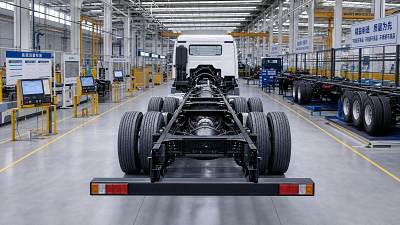
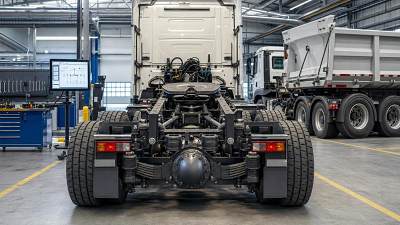
A chassis is not just a supporting frame. It is the load path, mounting base, and structural reference for the trailer body, suspension system, braking integration, and operational safety.
When evaluating a truck chassis supplier for trailer manufacturing, the focus should be on system compatibility. The key question is whether the supplier can deliver a chassis that fits the intended trailer architecture without creating downstream redesigns.
This includes frame dimensions, material grade, torsional stiffness, axle positioning, coupling arrangement, and interface points for body installation. Even small deviations can affect weight distribution and road behavior.
In practical terms, the supplier is being judged on how well it supports manufacturability, field reliability, and repeatability across batches.
Core technical criteria to examine
Structural design and load capability
Start with rated load conditions, frame cross-member design, and fatigue resistance. A capable supplier should explain how the chassis performs under static load, dynamic load, uneven roads, and repeated duty cycles.
Ask for finite element analysis data if available, but do not stop there. Validation through road testing, durability reports, or customer application records is often more revealing.
Material selection and manufacturing quality
Steel grade, corrosion protection, heat treatment consistency, and weld process control all matter. For a truck chassis supplier for trailer manufacturing, surface coating quality can be just as important as base material strength.
Poor anti-corrosion treatment may not appear during factory acceptance, yet it can shorten service life in coastal logistics, cold climates, or chemical transport environments.
Dimensional consistency
Manufacturing repeatability is essential for trailer assembly efficiency. Hole positions, frame straightness, mounting interfaces, and tolerance control should be checked against actual production needs.
If tolerances drift, the trailer plant absorbs the problem through rework, delayed assembly, and quality variation.
Compatibility with trailer manufacturing processes
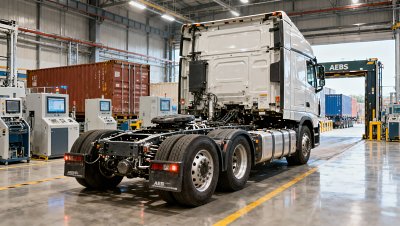
A strong truck chassis supplier for trailer manufacturing understands how the chassis fits into the complete production flow. That includes body installation, suspension matching, brake line routing, electrical integration, and final inspection requirements.
Compatibility should be reviewed at three levels: engineering fit, production fit, and service fit. Engineering fit concerns design alignment. Production fit concerns ease of assembly. Service fit concerns parts access and repair logic.
This is where sample builds or pilot orders are valuable. They expose hidden interference points, mounting conflicts, or process delays that are hard to identify in drawings alone.
Questions worth asking during review
- Can the chassis be adapted for different trailer lengths or payload classes?
- How are optional configurations managed across batches?
- Are interface drawings complete and revision-controlled?
- What process is used for non-conformance reporting and correction?
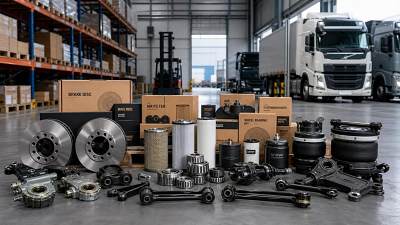
- How quickly can replacement components be supplied internationally?
Compliance, traceability, and supplier credibility
Regulatory alignment is a practical requirement, not a paperwork exercise. Different markets may require different standards for dimensions, axle loads, braking interfaces, lighting systems, and material traceability.
A truck chassis supplier for trailer manufacturing should provide organized documentation, including inspection records, material certificates, weld qualifications, and quality management evidence where relevant.
Supplier credibility also comes from responsiveness and transparency. Slow answers during technical review often signal deeper problems in change control or internal coordination.
Global sourcing adds another layer. If the chassis will be used in export programs, documentation quality and communication discipline become as important as the hardware itself.
Reading the supplier beyond the catalog
Many suppliers present similar specifications online, yet their real capabilities differ widely. This is where broader market intelligence becomes useful.
Industry platforms serving the heavy truck and commercial vehicle supply chain can help compare supplier breadth, export presence, related product lines, and visibility across truck chassis, complete trucks, trailers, and spare parts.
That kind of ecosystem view matters because a supplier with strong integration across road transport equipment categories may offer better technical coordination and more stable long-term support.
It also helps identify whether the supplier understands end-use sectors such as freight transport, infrastructure development, mining support, or municipal engineering. Those sectors shape chassis requirements differently.
Common risk signals during evaluation
Some issues appear early if the review process is structured carefully. They should not always eliminate a candidate, but they do justify deeper scrutiny.
- Specifications change between quotations, drawings, and sample units.
- Material details are vague or unsupported by certificates.
- Testing claims are broad but lack application data.
- Lead times look attractive but capacity planning is unclear.
- After-sales support depends on third parties with weak response control.
These signals matter because trailer programs usually scale over time. A supplier that performs acceptably on a trial order may struggle once demand becomes regular or customized.
Building a practical evaluation framework
A useful approach is to score each truck chassis supplier for trailer manufacturing across technical, operational, and commercial dimensions. The weighting should reflect the trailer’s actual duty profile.
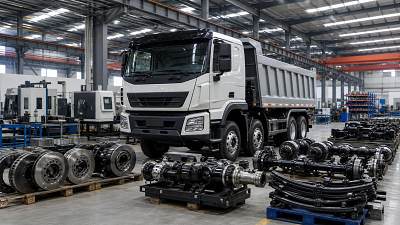
For example, a heavy-duty dump trailer program may prioritize fatigue strength and reinforcement strategy. A regional logistics trailer may place more emphasis on weight control, corrosion resistance, and serviceability.
Shortlisting should combine document review, engineering discussion, sample validation, and supply reliability checks. In many cases, the best decision emerges from the interaction of these factors rather than a single test result.
Where supplier discovery begins on a global commercial vehicle platform, the next step is to narrow candidates by application fit, available technical data, and consistency across product categories. That saves time before factory audits or pilot cooperation.
A clearer next step for selection
The most effective way to evaluate a truck chassis supplier for trailer manufacturing is to connect supplier claims with real trailer requirements. That means defining load cases, operating environments, compliance targets, and assembly constraints before comparing offers.
Once those criteria are documented, supplier evaluation becomes far more objective. Product listings, technical files, market intelligence, and industry resources can then be used to screen candidates with less guesswork.
A careful review at this stage reduces redesign risk later. It also improves the chance of finding a supply partner that can support trailer manufacturing not just for one order, but across a longer product lifecycle.
Trending News
- How to assess a truck cement manufacturer’s build quality before ordering
- When does a truck trailer OEM make sense for private-label fleets?
- What to verify before choosing a water truck OEM for your fleet
- How to size a cab chassis truck for a fire department apparatus
- When does a truck off road setup need locking differentials?
Tag
Recommended News
 Truck Parts IndustryEU REACH Rule Takes Effect for Truck Rubber PartsEU REACH Rule takes effect for truck rubber parts exported to the EU. Learn how SCIP reporting, SVHC declarations, and supply chain compliance now impact truck manufacturers and suppliers.
 Truck Parts IndustryHow to Evaluate Commercial Vehicle Parts With Eco-Friendly Materials for Durability and ComplianceCommercial vehicle parts with eco-friendly materials require more than green claims. Learn how to assess durability, compliance, and supplier reliability for smarter sourcing.
 Truck Parts IndustryHow to Evaluate a Truck Parts Supplier Beyond Unit PriceTruck parts supplier selection should go beyond unit price. Learn how to assess quality, traceability, compliance, delivery, and support to reduce fleet risk and total cost.
 Truck Parts IndustryVietnam to Require QR Traceability Labels on Imported Heavy-Truck PartsVietnam to Require QR Traceability Labels on Imported Heavy-Truck Parts from Aug 1, 2026. Learn scope, VNQR-2025 rules, VITRAC links, and how to avoid port refusal and fines.
 Truck Parts IndustryHow to Evaluate a Truck Spare Parts Supplier for Long-Term Cost ControlTruck spare parts supplier selection affects far more than price. Learn how to compare quality, delivery, traceability, and hidden costs to protect fleet uptime and control long-term expenses.
 Truck Parts IndustryFuel Injection Pump Failure Signs and What They Mean for Engine PerformanceFuel injection pump failure signs can quickly reduce truck power, raise fuel use, and trigger hard starts. Learn what each symptom means and when to act before costly downtime.
 Truck Parts IndustryExcavator Attachment Selection for Demolition and Site PrepExcavator attachment selection for demolition and site prep: compare breakers, grapples, crushers, and buckets to boost productivity, safety, and ROI.
 Truck Parts IndustryTruck Engine Overhaul or Replacement: Which Costs Less Long Term?Truck engine overhaul or replacement? Compare long-term cost, downtime, fuel efficiency, and reliability to choose the smarter option for your fleet.
 Truck Parts IndustryHow to Choose Excavator Parts That Last LongerExcavator parts buying guide: learn how to choose excavator parts that last longer by comparing fit, material quality, operating conditions, and supplier reliability.
 Truck Parts IndustryAre Eco-Friendly Commercial Vehicle Parts Durable Enough for Daily Use?Commercial vehicle parts with eco-friendly materials can be durable for daily use—if tested right. Explore where they perform best, key risks, and smarter sourcing insights.
 Truck Parts IndustryTruck Parts OEM vs Aftermarket: Cost, Fit, and Warranty RisksTruck parts OEM vs aftermarket: compare true cost, fit accuracy, and warranty risks to reduce downtime, avoid disputes, and make smarter fleet sourcing decisions.
 Truck Parts IndustryTruck Spare Parts Buying Guide: How to Reduce Downtime and Fitment RiskTruck spare parts buying guide for fleet maintenance teams: learn how to reduce downtime, avoid fitment risk, verify suppliers, and make smarter sourcing decisions.
 Truck Parts IndustryHow to Evaluate a Truck Parts Supplier Beyond PriceTruck parts supplier selection should go beyond price. Learn how to compare quality, delivery, service, and total cost to reduce risk and keep fleets running efficiently.
 Truck Parts IndustryHeavy Truck Parts for Construction: Signs of a Reliable ManufacturerHeavy truck parts manufacturer for construction: learn how to identify reliable suppliers through quality control, traceability, testing, and support to reduce downtime and improve fleet safety.
 Truck Parts IndustryHow to Compare Truck Spare Parts Suppliers on Quality and Lead TimeTruck spare parts supplier comparison starts with quality and lead time. Learn how to assess consistency, delivery reliability, and sourcing fit for smarter purchases.
 Truck Parts IndustryEU REACH Sets PAH Limit for Heavy Truck Rubber PartsEU REACH sets a new PAH limit for heavy truck rubber parts, affecting brake hoses, bushings, and export compliance. Learn what suppliers must prepare now to avoid testing delays and customs risks.
 Truck Parts IndustryWhat to Check in a Truck Chassis Supplier Before Fleet ExpansionTruck chassis supplier selection can make or break fleet expansion. Learn what to check on quality, production, delivery, support, and total cost before requesting a quote.
 Truck Parts IndustryCold Storage Truck Parts That Matter Most for Temperature ControlCommercial vehicle parts for cold storage determine real temperature stability. Discover the key truck components that reduce spoilage, improve efficiency, and protect sensitive cargo.
 Truck Parts IndustryHow to Evaluate a Heavy Truck Parts Manufacturer for Long-Term Supply StabilityHeavy truck parts manufacturer selection starts with supply stability. Learn how to assess quality, capacity, lead times, and risk signals for smarter long-term sourcing.
 Truck Parts IndustryEU EPR Rules Extend to Commercial TrailersEU EPR rules now extend to commercial trailers, bringing new registration, reporting, and fee duties from 2027. See how exporters can prepare early to avoid customs delays.
 Truck Parts IndustryTruck Suspension Problems: Signs, Causes, and Fix OptionsTruck suspension issues can lead to tire wear, poor handling, and costly downtime. Learn the key signs, root causes, and best fix options for different truck applications.
 Truck Parts IndustryHow to Choose a Heavy Truck Parts Manufacturer for Construction FleetsHeavy truck parts manufacturer for construction selection starts with uptime, quality, and delivery. Learn how to compare suppliers, reduce fleet risk, and choose with confidence.
 Truck Parts IndustryUS Sets AEBS Rule for Imported Commercial TrailersUS sets AEBS rule for imported commercial trailers starting Oct. 1, 2026. Learn FMVSS No. 127A, SAE J2929, and key compliance steps to avoid CBP entry denial.
 Truck Parts IndustryHow to Choose Commercial Vehicle Parts That Reduce DowntimeCommercial vehicle parts selection can make or break fleet uptime. Learn how to choose parts that improve fit, quality, supply reliability, and lower total downtime cost.
 Truck Parts IndustryTruck Parts Price Guide: What Drives Costs Up or DownTruck parts price guide: learn what raises or lowers costs, how to compare suppliers, and how to cut fleet risk with smarter, value-based sourcing decisions.