Portable Construction Machinery Supplier: Where Mobility Improves Jobsite Output
For business decision-makers seeking faster deployment and higher efficiency, choosing a construction machinery supplier with portable options can directly improve jobsite productivity.
Portable equipment reduces transport complexity, supports flexible operations across locations, and helps contractors respond quickly to changing project demands.
This matters even more in road transport equipment, infrastructure expansion, municipal work, and logistics-linked construction operations.
A reliable construction machinery supplier with portable options does more than sell machines.
It helps align mobility, machine performance, transport compatibility, and supplier support into one practical sourcing decision.
What does a construction machinery supplier with portable options actually provide?
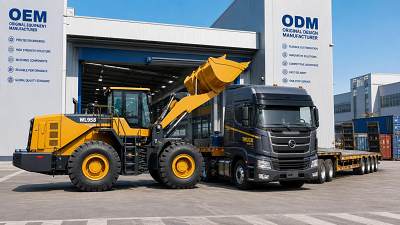
A construction machinery supplier with portable options offers equipment designed for easy movement between sites without excessive dismantling or oversized transport burdens.
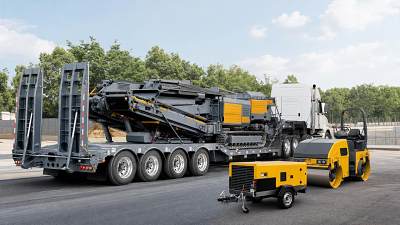
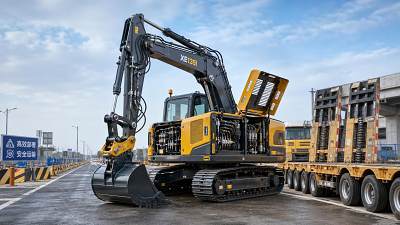
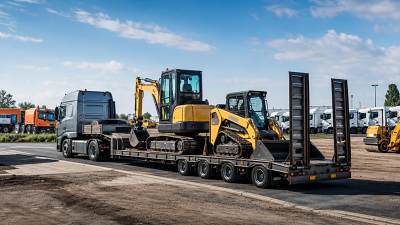
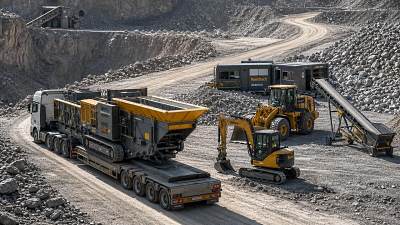
Portable machinery may include compact excavators, mobile crushers, portable concrete mixers, trailer-mounted generators, light road rollers, and modular lifting systems.
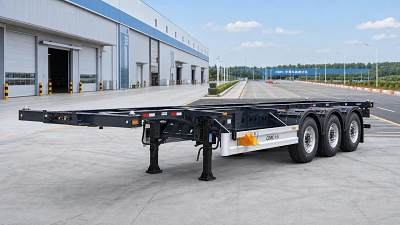
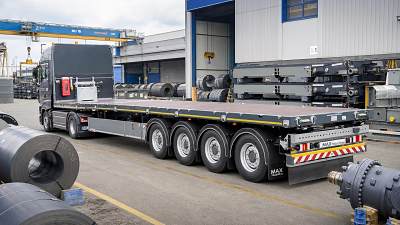
In the land transport equipment sector, portability connects directly to delivery efficiency, route planning, and truck-trailer utilization.
Machines that load faster and move legally on common transport configurations reduce downtime before real work starts.
The best suppliers also provide technical data for weight, dimensions, loading method, axle distribution, and recommended transport vehicle matching.
That information supports smoother cross-border sourcing and safer domestic delivery planning.
Key features often included
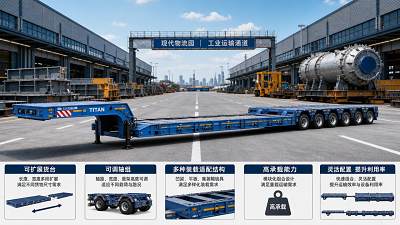
- Foldable or modular structures for easier loading
- Trailer-mounted or skid-mounted configurations
- Compact dimensions for road-compliant transport
- Quick setup systems that shorten site preparation time
- Multi-site adaptability for temporary or remote projects
When evaluating offers, portable should mean operationally mobile, not simply smaller in size.
True mobility includes transport readiness, fast commissioning, and low relocation cost.
Why does portable equipment improve jobsite output?
Output improves because portable machines spend less time waiting for transport permits, loading support, assembly labor, and site preparation.
That means more available operating hours across the project cycle.
A construction machinery supplier with portable options can support project continuity where crews must shift between urban, rural, or roadside locations.
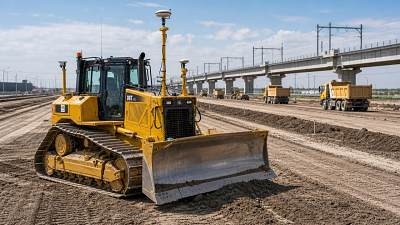
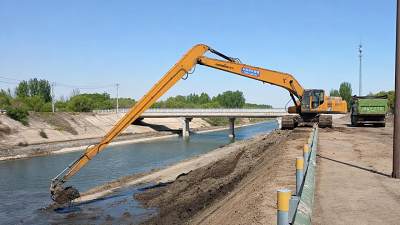
This is common in road maintenance, drainage works, bridge access repair, utility trenching, and temporary material handling yards.
Portable units also help when work windows are short.
Night repairs, municipal closures, and lane-restricted operations benefit from machinery that arrives ready and leaves quickly.
Typical productivity gains come from
- Shorter mobilization and demobilization time
- Lower dependence on special transport fleets
- Faster response to schedule changes
- Better machine sharing across several small projects
- Reduced idle labor during equipment transitions
In many cases, transport efficiency becomes a hidden source of site efficiency.
That is why supplier selection should include both equipment performance and road movement practicality.
Which projects benefit most from a construction machinery supplier with portable options?
Portable solutions are especially useful where projects are dispersed, temporary, remote, or time-sensitive.
They fit operations that rely on heavy trucks, trailers, and coordinated land transport equipment.
A construction machinery supplier with portable options adds value when equipment must follow the work instead of staying at one fixed plant.
High-fit application scenarios
- Road building and highway repair corridors
- Bridge maintenance and access route upgrades
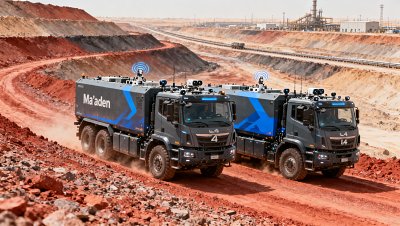
- Mining support zones with changing extraction fronts
- Rural infrastructure and municipal engineering sites
- Logistics parks and temporary warehousing expansion
- Disaster recovery and emergency reconstruction tasks
These environments require practical movement planning.
The supplier should understand not only machine output, but also trailer compatibility, route restrictions, and unloading conditions.
Platforms connecting global truck and construction equipment suppliers are useful here.
They make it easier to compare machine specifications alongside transport equipment options and spare parts availability.
How do you evaluate the right supplier beyond the machine itself?
Price matters, but it should not be the first filter.
A strong construction machinery supplier with portable options should demonstrate transport understanding, documentation quality, and after-sales responsiveness.
The supplier should also explain how the machine integrates with trucks, trailers, and site handling processes.
Evaluation checklist
If a supplier cannot clearly explain transport implications, portable performance may disappoint in real operations.
A digital B2B platform with commercial vehicle and heavy equipment coverage can simplify this evaluation process.
What are the common mistakes when sourcing portable construction machinery?
The most common mistake is confusing compactness with mobility.
A smaller machine may still require difficult loading, special lifting equipment, or frequent assembly work.
Another mistake is ignoring local transport conditions.
Road width, bridge limits, permit rules, and trailer access can all affect usefulness.
A construction machinery supplier with portable options should help identify these risks before ordering.
Frequent sourcing risks
- Choosing by purchase price without lifecycle cost review
- Overlooking spare parts supply in target markets
- Ignoring compatibility with available trucks and trailers
- Missing operator training requirements
- Assuming all mobile equipment suits rough terrain equally
Portable machinery is valuable only when the full movement chain works.
That chain includes export packing, inland delivery, unloading, startup, operation, maintenance, and relocation.
How should buyers compare cost, speed, and long-term value?
The right comparison is not fixed versus portable in purchase price alone.
It is total operating value across multiple sites, transport cycles, and project timelines.
A construction machinery supplier with portable options often helps reduce hidden costs that standard quotations do not show.
Important value factors
For international sourcing, it is wise to compare machine value with logistics support, spare parts channels, and related commercial vehicle resources.
That broader view often reveals which supplier can deliver sustainable output, not just a lower initial quote.
Quick FAQ summary: what should be checked first?
Choosing a construction machinery supplier with portable options is ultimately a decision about operational agility.
The right supplier helps connect equipment performance with road transport efficiency, project timing, and ongoing service reliability.
In a market shaped by infrastructure growth, logistics demand, and cross-border sourcing, integrated platforms bring added value.
They allow faster comparison of construction machinery, heavy trucks, trailers, and spare parts within one industry ecosystem.
For the next step, compare suppliers using transport readiness, service depth, and relocation efficiency before focusing only on price.
That approach leads to more resilient sourcing and better jobsite output over time.
Trending News
- How to compare concrete mixer truck suppliers by total landed cost
- How axle load limits affect low bed trailer exports to Southeast Asia
- How to locate a truck exhaust system leak before replacing parts
- When does heavy equipment transport require a lowboy trailer?
- When does a light commercial vehicle for urban delivery save fleet costs?
Tag
Recommended News
 Technology & InnovationConstruction Machinery OEM: Key Specs That Affect Integration QualityConstruction machinery OEM selection starts with specs. Learn how dimensions, hydraulics, electrical interfaces, and documentation shape integration quality, safety, and uptime.
 Technology & InnovationHow Truck Body Design Affects Payload and Fuel EfficiencyTruck body design directly affects payload, fuel efficiency, and operating cost. Learn how the right truck body boosts performance, reduces waste, and improves fleet value.
 Technology & InnovationHydraulic Pump Selection Mistakes That Lead to DowntimeHydraulic pump selection mistakes can quietly trigger costly downtime in transport equipment. Learn what to verify before buying and choose with more confidence.
 Technology & InnovationManzhouli Smart Sealing Cuts TIR-Rail Clearance to 3.2 HoursManzhouli Smart Sealing cuts TIR-rail clearance to 3.2 hours, boosting visibility and delivery certainty for China-Europe cargo. See what it means for exporters and forwarders.
 Technology & InnovationConstruction Machinery OEM vs ODM: Key Differences That Affect QualityConstruction machinery OEM vs ODM explained: discover how design control, parts consistency, and lifecycle quality affect performance, sourcing risk, and smarter buying decisions.
 Technology & InnovationBULLDOZER with GPS Tracking: Benefits for Jobsite ControlBULLDOZER with GPS tracking improves jobsite control with better grading accuracy, fleet coordination, and uptime. See how it reduces rework and boosts project efficiency.
 Technology & InnovationGlobal Heavy-Duty Autonomous Trucks Near CommercializationHeavy-duty autonomous trucks are nearing commercialization — 200+ L4 vehicles deployed in Saudi & Chilean mines, delivering 120,000+ km fault-free haulage.
 Technology & InnovationWhen to Use an Excavator With Long Reach Boom on SiteEXCAVATOR with long reach boom guide: learn when it adds real value for dredging, demolition, slopes, and drainage jobs to improve safety, access, and site efficiency.
 Technology & InnovationGlobal Heavy-Duty Autonomous Truck Testing Reaches Commercial Inflection PointHeavy-duty autonomous truck testing hits commercial inflection point: 1M km L4 mining ops in Saudi Arabia & Chile — key for OEMs, mining logistics & global off-road transport.
 Technology & InnovationWhat Advanced Technology Means in Heavy Truck Chassis DesignDiscover how a heavy truck chassis manufacturer with advanced technology improves strength, durability, payload efficiency, and integration for demanding transport needs.
 Technology & InnovationChina Adds Tractor-Trailers' Battery-Swap Systems to NEV Bus Subsidy SchemeBattery-swap systems for tractor-trailers now qualify for China’s NEV bus subsidy—up to ¥32,000 per system. Key for logistics, mining & port electrification.
 Technology & InnovationPortable Construction Machinery Supplier: Where Mobility Improves Jobsite OutputConstruction machinery supplier with portable options helps contractors cut mobilization time, improve transport efficiency, and boost jobsite output across road, municipal, and multi-site projects.
 Technology & InnovationChina Adds Heavy-Duty Tractor Battery-Swap Systems to EV Bus Subsidy SchemeHeavy-duty tractor battery-swap systems now qualify for China’s 2026 EV bus subsidy—30% off, up to ¥280,000. Act before Dec 31!
 Technology & InnovationDo Energy-Saving Excavators Lower Fuel Use in Daily Jobsite Operations?Excavator manufacturer with energy-saving features: discover how smarter hydraulics, auto idle, and telematics can cut daily fuel use, improve uptime, and lower jobsite operating costs.
 Technology & InnovationL4 Autonomous Trucks Launch on Tianjin Port–Xiong’an RouteL4 autonomous trucks launch on Tianjin Port–Xiong’an route—first routine platooned operations in China’s strategic logistics corridor. Watch EU & Gulf certification unfold.
 Technology & InnovationAre Energy-Saving Excavators Worth It for Long-Term Operations?Excavator manufacturer with energy-saving features: discover if lower fuel use, reduced downtime, and stronger long-term ROI make these machines the smart choice for demanding operations.
 Technology & InnovationSouth China Pioneer Studio Wins Youth May 4th Award for Smart Truck CertificationSmart truck certification breakthrough: South China Pioneer Studio wins Youth May 4th Award for EU R155/R156 compliance — a game-changer for global陆路运输设备 exports.
 Technology & InnovationL4 Autonomous Container Trucks Begin Trial on Tianjin Port–Xiong'an CorridorL4 autonomous container trucks begin trial on Tianjin Port–Xiong'an Corridor—key milestone for cross-border logistics, heavy-equipment transport & smart intermodal supply chains.
 Technology & InnovationQuick Installation Excavators: Do They Reduce Setup Time on Real Sites?Excavator manufacturer with quick installation: discover whether fast-deploy excavators truly cut real-site setup time, lower labor costs, and improve uptime before you buy.
 Technology & InnovationModular Flatbed Trailers: When Design Flexibility Improves UtilizationFind out how a flatbed trailer supplier with modular design helps fleets boost utilization, adapt to varied loads, cut idle assets, and improve long-term ROI.
 Technology & InnovationPortable Construction Machinery: Where Flexible Equipment Saves TimeConstruction machinery supplier with portable options helps cut relocation time, improve transport efficiency, and keep projects moving faster across changing job sites.
 Technology & InnovationSemi Trailer Manufacturer with Lightweight Design: Is Lower Weight Worth It?Semi trailer manufacturer with lightweight design: discover when lower weight boosts payload, fuel savings, and fleet ROI—and when durability, compliance, and repair costs matter more.
![]() Technology & InnovationWhy Quick Installation Matters When Choosing an Excavator ManufacturerExcavator manufacturer with quick installation: discover how faster setup cuts downtime, simplifies maintenance, improves reliability, and keeps heavy equipment projects on schedule.
Technology & InnovationWhy Quick Installation Matters When Choosing an Excavator ManufacturerExcavator manufacturer with quick installation: discover how faster setup cuts downtime, simplifies maintenance, improves reliability, and keeps heavy equipment projects on schedule. Technology & InnovationHow Modular Design Changes the Value of a Flatbed Trailer SupplierFlatbed trailer supplier with modular design: discover how modular platforms cut lifecycle costs, boost fleet flexibility, and improve ROI for logistics, construction, and industrial buyers.
 Technology & InnovationHow Portable Construction Machinery for Mining Helps Remote Projects Move FasterConstruction machinery for mining helps remote projects move faster with easier transport, quick setup, and flexible deployment. Learn how to cut delays and improve site efficiency.