How R&D Capability Changes Heavy Truck Chassis Performance
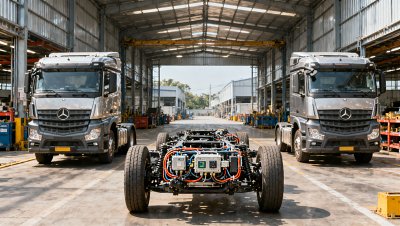
For technical evaluators, chassis performance is not defined by specifications alone, but by the engineering depth behind them. A heavy truck chassis manufacturer with R&D capability can deliver measurable advantages in load distribution, structural durability, ride stability, and adaptation to complex transport conditions. Understanding how research and development shapes chassis design is essential for identifying suppliers that offer not just products, but long-term operational value.
Why R&D Capability Matters More Than a Spec Sheet
In the road transport equipment industry, chassis evaluation often begins with visible parameters such as axle layout, frame section size, wheelbase range, and payload class. However, technical evaluators know that these figures only show the final output. What matters more is how the chassis was engineered, validated, and adapted for real operating conditions such as long-haul freight, mining haul roads, infrastructure projects, and municipal transport duty cycles.
A heavy truck chassis manufacturer with R&D capability usually brings stronger control over the full development chain, from structural modeling and prototype testing to material selection and application matching. This matters when the operating environment includes uneven loading, stop-and-go routes, 8x4 construction transport, or repeated operation on gradients and rough surfaces for 10–12 hours per shift.
For technical assessment teams, the core question is not simply whether a chassis can meet baseline requirements today. The better question is whether the supplier can optimize frame stiffness, suspension integration, and component layout over a 3–5 year service horizon while maintaining serviceability, parts consistency, and compliance with target market expectations.
This is where a professional industry platform becomes useful. The Global Heavy Truck Industry Platform helps evaluators compare suppliers, review product categories, and identify a heavy truck chassis manufacturer with R&D capability through broader product visibility, technical sourcing support, and access to industry information that supports better supplier screening.
What R&D usually influences in chassis performance
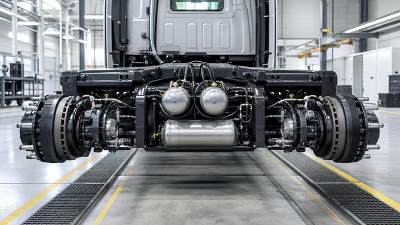
- Frame architecture, including side member design, crossmember arrangement, reinforcement zones, and torsional balance under variable loads.
- Integration quality between chassis, cab, driveline, suspension, steering, and braking systems across 4x2, 6x4, 6x6, and 8x4 configurations.
- Application adaptation for logistics, construction, mining, and municipal use, where the same nominal payload can create very different stress patterns.
- Validation methods such as fatigue simulation, road testing cycles, and manufacturability review before mass delivery.
Which Chassis Performance Areas Are Most Affected by Engineering Depth?
Not every performance issue is visible during a factory walk-through. Many problems only appear after months of use, especially in cross-border freight, overloaded regional transport, or jobsite movement on broken roads. A heavy truck chassis manufacturer with R&D capability reduces this risk by translating operating data into design decisions instead of relying only on standard drawings.
Technical evaluators should focus on 5 key performance areas: structural durability, load transfer behavior, handling stability, maintainability, and platform adaptability. These areas directly influence downtime, tire wear patterns, body compatibility, and lifecycle support requirements. In many procurement projects, these factors matter as much as initial purchase price.
The table below summarizes how R&D input changes technical outcomes in practical chassis evaluation. It can be used as a first-pass reference when comparing standard suppliers with a heavy truck chassis manufacturer with R&D capability.
The practical meaning is clear: strong R&D changes how a chassis behaves after 20,000–50,000 km of demanding use, not just how it appears in a brochure. For buyers serving logistics fleets or project transport contractors, this difference can influence repair frequency, body integration success, and the consistency of field performance across multiple units.
How technical teams can read these signals
1. Structural logic
Ask whether the frame design reflects a clear application logic. A chassis for bulk logistics and a chassis for concrete or mining service should not share exactly the same reinforcement strategy. Differences in torsional input, braking cycles, and loading patterns require different engineering responses.
2. System matching
Check how steering, suspension, and brake routing interact with the frame. Good R&D is visible in system coordination, especially when evaluating axle spacing, turning performance, or body mounting points within common wheelbase bands such as 3,800–5,800 mm.
3. Validation process
A capable supplier should explain design verification in stages, often including concept review, prototype validation, and road-use confirmation. Even when exact internal data is confidential, the presence of a 3-stage engineering workflow is a meaningful sign of maturity.
How to Evaluate a Heavy Truck Chassis Manufacturer with R&D Capability
Technical evaluation is often slowed by one common problem: suppliers provide product lists, but not enough engineering evidence. When sourcing through a global B2B channel, evaluators need a structured way to distinguish trading capability from real development capability. This is especially important for fleets, distributors, and project buyers working across multiple markets.
The most effective method is to score suppliers against a fixed evaluation matrix. Instead of asking broad questions, focus on design resources, test logic, customization response, compliance awareness, and after-sales engineering support. A heavy truck chassis manufacturer with R&D capability should be able to answer these points with technical clarity, not sales language alone.
The following table can help technical teams organize supplier comparison during the shortlisting stage. It is particularly useful when using the Global Heavy Truck Industry Platform to compare multiple manufacturers across truck chassis, complete trucks, trailers, and spare parts categories.
A strong supplier is not necessarily the one with the longest catalog. It is the one that can explain why a certain frame section, suspension option, or crossmember layout fits a target duty cycle. For evaluators, that distinction becomes even more important when the order involves 5 units for testing or 50+ units for phased procurement.
A practical 4-step review process
- Define the actual operating profile, including cargo type, road condition, daily running hours, legal loading limits, and expected service interval.
- Screen suppliers by technical fit, not only product appearance. Eliminate chassis options that do not match axle load distribution or body integration needs.
- Request engineering evidence such as layout drawings, key dimension tolerances, application references, and component matching logic.
- Review lifecycle support, including spare parts planning, service manuals, and design change management before commercial commitment.
Platforms that aggregate supplier information can shorten the first 2 steps significantly. The Global Heavy Truck Industry Platform is particularly relevant because it combines product discovery with market insight, making it easier to narrow down technically suitable options before direct engineering communication begins.
Which Operating Scenarios Reveal Real Chassis R&D Strength?
A chassis may perform adequately in one duty cycle and poorly in another. This is why technical evaluators should test the supplier’s R&D logic against actual use scenarios. A heavy truck chassis manufacturer with R&D capability should demonstrate how design decisions change according to route type, body style, axle load, and maintenance environment.
In long-haul logistics, the focus is often fuel-efficient driveline integration, stable high-speed tracking, and lower component wear across repeated highway cycles. In construction and mining, the emphasis shifts to anti-twist frame behavior, suspension robustness, and resistance to impact loading during low-speed, high-stress operation. These are not minor adjustments; they often require different engineering priorities from the start.
The scenario table below shows how application context changes the evaluation standard. This is helpful when comparing suppliers on the Global Heavy Truck Industry Platform, especially for buyers sourcing across multiple categories such as complete trucks, truck chassis, and semi-trailer related equipment.
This comparison shows why a generic chassis proposal is rarely enough. A technically mature supplier should align frame, suspension, and layout decisions with real application clusters rather than offering the same base solution for all use cases.
Common risks when scenario matching is weak
- Premature wear in bushings, tires, and suspension components when the actual route profile exceeds the assumed duty cycle.
- Body installation difficulty caused by poor mounting coordination, especially in dump, mixer, or special-purpose conversion projects.
- Service interruption because access to high-frequency maintenance points was not considered during design.
- Lower fleet consistency when the same nominal configuration behaves differently across regions, loads, and road conditions.
For this reason, technical teams should ask suppliers to map the chassis to at least 3 operating variables: route condition, payload pattern, and body application. If a heavy truck chassis manufacturer with R&D capability can discuss these variables clearly, it is usually a positive indicator of engineering depth.
What About Standards, Delivery, and Total Procurement Risk?
R&D capability also affects compliance readiness and delivery reliability. In international procurement, technical evaluators often need more than mechanical suitability. They also need documentation quality, component consistency, and preparation for local regulations or project requirements. These may involve market-specific standards, braking expectations, axle load limits, lighting compatibility, or documentation for registration and inspection.
A heavy truck chassis manufacturer with R&D capability is generally better positioned to respond when the buyer requests design adjustments, drawing confirmation, or alternative component schemes. In real sourcing projects, technical review and commercial review often run in parallel over 2–6 weeks. Suppliers with weak engineering teams can slow this process because even minor revisions require repeated clarification.
Evaluators should also consider total procurement risk, not only ex-works price. A lower initial quote may create hidden cost through delayed body integration, unclear spare parts identification, or post-delivery modification work. In contrast, a supplier with stronger R&D involvement may reduce commissioning time and improve first-batch acceptance quality.
Five checkpoints before final supplier approval
- Confirm key dimensions and mounting interfaces early, including wheelbase, rear overhang, frame height, and body connection zones.
- Review documentation completeness, such as technical drawings, parts lists, maintenance references, and change record methods.
- Check whether the supplier can support phased customization, especially when the first order is a pilot batch followed by a larger release.
- Assess spare parts planning for the first 6–12 months of operation, particularly for suspension, braking, and service wear items.
- Clarify lead time structure, including design confirmation, production scheduling, inspection, and shipment coordination.
FAQ for technical evaluators
How do I verify whether a supplier really has R&D capability?
Look for evidence of engineering process rather than broad claims. Useful signs include application-specific configurations, documented revision control, technical response on frame and axle matching, and the ability to discuss validation steps in a structured 3-stage or 4-stage process.
Is a customized chassis always better than a standard one?
Not always. For stable long-haul operations with conventional loads, a mature standard platform may be the best balance of cost and serviceability. Customization becomes more valuable when body requirements, road conditions, or loading profiles differ from normal highway transport assumptions.
What is the most overlooked risk in chassis procurement?
Many teams focus on rated load and engine match but undercheck body integration and service access. These two areas often create delays during installation or increase maintenance labor over the first 12 months of operation.
How can a sourcing platform support technical screening?
A specialized platform reduces search friction by centralizing supplier categories, product visibility, and industry information. The Global Heavy Truck Industry Platform helps buyers compare manufacturers, review relevant product sectors, and connect with suppliers that are more likely to meet application-specific technical requirements.
Why Work with a Professional Global Heavy Truck Industry Platform
When the goal is to identify a heavy truck chassis manufacturer with R&D capability, access to the right supplier ecosystem matters. The Global Heavy Truck Industry Platform is built for the commercial vehicle and heavy equipment sector, connecting manufacturers, suppliers, distributors, and buyers across the heavy truck supply chain. This makes technical comparison more efficient than relying on fragmented sources.
For evaluators, the value is practical. The platform supports product discovery across truck chassis and cab systems, complete trucks, light trucks, construction machinery, trailers, semi-trailers, and spare parts. It also provides market insight, buying guides, and industry information that help technical teams build a more reliable supplier shortlist before detailed quotation and engineering review.
This is especially useful when procurement involves cross-border trade, multiple candidate suppliers, or mixed application needs. Instead of evaluating suppliers in isolation, buyers can compare technical positioning, product scope, and commercial readiness in one industry-focused environment. That saves time in the first 7–15 days of supplier screening and improves communication quality during the next evaluation stages.
If you are assessing chassis solutions for logistics transportation, mining operations, infrastructure development, or municipal engineering projects, you can use the platform to discuss specific requirements such as parameter confirmation, product selection, delivery cycle, customization options, certification expectations, sample support, and quotation planning. That approach leads to more confident sourcing decisions and better long-term operating value.
Contact us for targeted technical sourcing support
- Confirm chassis parameters for 4x2, 6x4, 8x4, or special-duty applications based on actual transport conditions.
- Compare suppliers when you need a heavy truck chassis manufacturer with R&D capability for customized or high-demand projects.
- Discuss expected lead times, pilot batch planning, spare parts support, and documentation needs for international procurement.
- Request help with product selection, certification-related preparation, sample arrangements, and formal quotation communication.
If your team is comparing heavy truck chassis solutions and needs a clearer technical decision path, contact us through the Global Heavy Truck Industry Platform. Share your application scenario, target market, payload range, and delivery expectations, and we can help you identify suitable manufacturers, narrow technical options, and move more efficiently from evaluation to sourcing.
Trending News
- How to compare concrete mixer truck suppliers by total landed cost
- How axle load limits affect low bed trailer exports to Southeast Asia
- How to locate a truck exhaust system leak before replacing parts
- When does heavy equipment transport require a lowboy trailer?
- When does a light commercial vehicle for urban delivery save fleet costs?
Tag
Recommended News
 Truck TechnologyHow to locate a truck exhaust system leak before replacing partsLocate a truck exhaust system leak before replacing parts. Learn how to spot soot trails, confirm leaks safely, and identify root causes to avoid costly guesswork and repeat repairs.
 Truck TechnologyDoes a cab chassis truck for fire department have enough frame capacity?Cab chassis truck for fire department: assess frame strength, axle loads, tank weight, stability and compliance for a safer, reliable fire apparatus build.
 Truck TechnologyWhen does a truck off road setup need locking differentials?Truck off road setups need locking differentials when uneven, low-grip terrain causes wheelspin. Learn how to choose the right axle locks for safer, reliable mobility.
 Truck TechnologyEPA Remote-Diagnostics Rules Take Effect for Diesel EnginesEPA Remote-Diagnostics Rules take effect for diesel engines sold in the U.S. Learn how OTA updates, real-time NOx reporting, and fault-code retention may impact compliance, OEM projects, and imports.
 Truck TechnologyCab Chassis Truck for Military Use: Key Specs That Affect Mission ReadinessCab chassis truck for military use: explore the key specs that drive mission readiness, off-road mobility, integration flexibility, and lifecycle support for smarter fleet decisions.
 Truck TechnologyBULLDOZER with GPS Tracking: What Improves on Remote Job SitesBULLDOZER with GPS tracking improves remote job sites with better visibility, reduced idle time, stronger fleet coordination, and smarter earthmoving decisions across harsh terrain.
 Truck TechnologyTruck Body Materials Compared: Steel, Aluminum, or Composite?Truck body material comparison made practical: explore steel, aluminum, and composite options for payload, durability, corrosion resistance, and lifecycle cost.
 Truck TechnologyBest Cab Chassis Truck Setups for Municipal Engineering TasksCab chassis truck for municipal engineering: compare the best setups for sanitation, tanker, utility, and dump tasks to improve uptime, safety, and long-term fleet value.
 Truck TechnologyTruck Electrical System Faults: Common Causes and Fast ChecksTruck electrical system faults can cause no-starts, dim lights, and costly downtime. Learn common causes, fast checks, and practical steps to diagnose issues quickly.
 Truck TechnologyASEAN-ICV Opens Mutual Access for Connected Heavy VehiclesASEAN-ICV opens mutual access for connected heavy vehicles, cutting duplicate V2X testing across Thailand, Vietnam, Indonesia, and Malaysia. See what it means for exports, compliance, and fleet delivery.
![]() Truck TechnologyTruck Concrete Mixer Basics: Capacity, Drum Type, and Jobsite FitTruck concrete mixer basics explained: compare capacity, drum type, and jobsite fit to improve pour efficiency, cut delays, and choose the right mixer truck with confidence.
Truck TechnologyTruck Concrete Mixer Basics: Capacity, Drum Type, and Jobsite FitTruck concrete mixer basics explained: compare capacity, drum type, and jobsite fit to improve pour efficiency, cut delays, and choose the right mixer truck with confidence. Truck TechnologyBrazil Requires Dual-Mode Tracking on Imported Heavy TrucksBrazil requires dual-mode tracking on imported heavy trucks. Learn how BeiDou+GPS, SISFROTA, and ABNT NBR 16501:2025 rules affect licensing, compliance, and market access.
 Truck TechnologyWater Truck OEM Options: Tank Size, Pump Output, and Road ConditionsWater truck OEM selection starts with the right match of tank size, pump output, and road conditions. Learn how to compare specs, improve uptime, and choose a fleet-ready solution.
 Truck TechnologyChile Requires Remote Diagnostics on Imported Heavy TrucksChile Requires Remote Diagnostics on Imported Heavy Trucks: learn how NCh3871:2026, OTA, ISO 22161, and VHMP rules will impact truck imports, registration, and fleet planning.
 Truck TechnologyHow to Compare Logging Truck OEM Specs for Drivetrain and Load StabilityLogging truck OEM specs compared the right way: learn how to evaluate drivetrain torque, axle ratios, suspension, and load stability for safer forestry hauling.
 Truck TechnologyIndia Drafts BS-VI Phase II Remote OBD Upload RuleIndia Drafts BS-VI Phase II Remote OBD Upload Rule: learn how India’s new real-time OBD upload proposal could impact truck exporters, T-Box upgrades, certification timelines, and market access.
 Truck TechnologyMilitary Truck Payload vs Mobility: What Matters in Harsh TerrainMilitary truck performance in harsh terrain depends on more than payload. Discover how mobility, traction, axle load, and suspension affect real-world mission success.
 Truck TechnologyLogging Truck OEM Options: Key Specs for Harsh Forestry RoutesLogging truck OEM options for forestry routes: compare axle layouts, frame strength, traction, braking, and service support to choose a durable, high-uptime truck.
 Truck TechnologyVietnam to Require VCA Checks for Imported Heavy TrucksVietnam to Require VCA Checks for Imported Heavy Trucks from August 1, 2026. Learn how VCA testing, CAN, HVIL, and OBD-II rules could impact truck exports, certification, and delivery planning.
 Truck TechnologyMexico Enforces CAN FD Rule for Imported TrucksMexico Enforces CAN FD Rule for Imported Trucks: learn how NOM-042-SEMARNAT-2026 impacts OBD-II+, ANCE verification, ECU strategy, and Mexico-bound truck compliance.
 Truck TechnologyBrazil ANP Rule Requires H₂ Leak Sensors on Imported Gas TractorsBrazil ANP rule requires H₂ leak sensors on imported gas tractors from Oct 1, 2026. Learn the compliance impact, IEC 60079-29-1 standard, and what exporters must do now.
 Truck TechnologyTruck Brake System Basics: Components, Failure Risks, and Safety ChecksTruck brake system basics explained: key components, common failure risks, and practical safety checks to improve fleet uptime, compliance, and road safety.
 Truck TechnologySupply Chain Expo Opens With Focus on Heavy Truck Core SystemsHeavy truck core systems take center stage at the Supply Chain Expo, spotlighting battery systems, electric drive axles, and by-wire technologies shaping export opportunities.
 Truck TechnologyTruck Control Unit Failures: Common Symptoms and Fix StrategiesTruck control unit failures often start with small warning signs. Learn key symptoms, root causes, and smart repair strategies to cut downtime and avoid costly misdiagnosis.
 Truck TechnologyEU V2X Rule Sets 2027 Deadline for New Heavy Truck ApprovalEU V2X Rule Sets 2027 Deadline for New Heavy Truck Approval: learn how ETSI EN 302 637-2 and UN R155 reshape EU truck compliance, certification, sourcing, and export planning.