China Launches Nationwide 'Single-Document' Multimodal Transport Customs Supervision
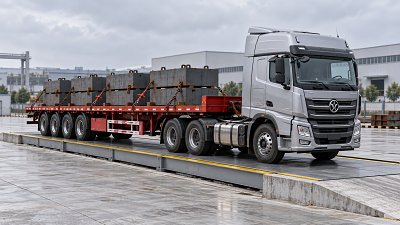
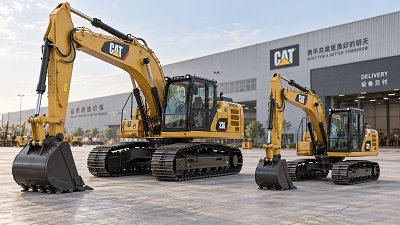
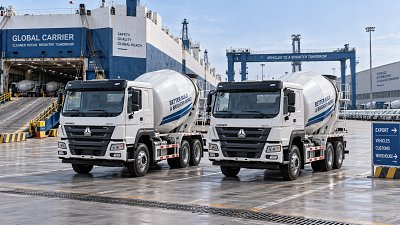
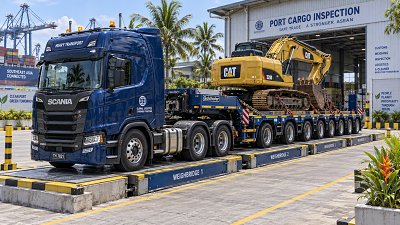
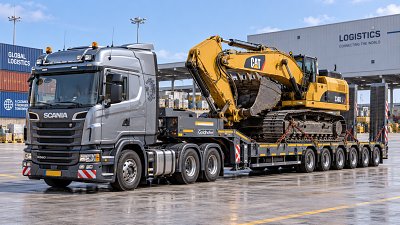
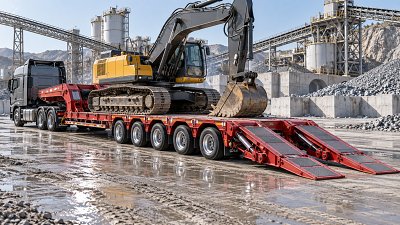
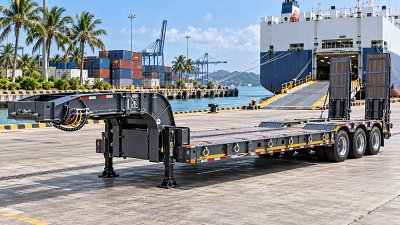
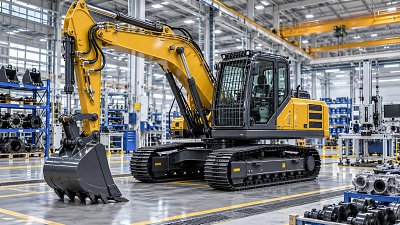
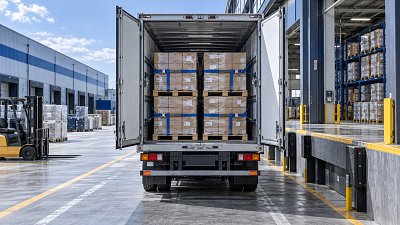
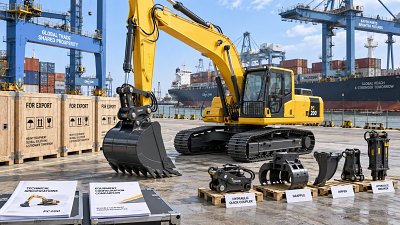
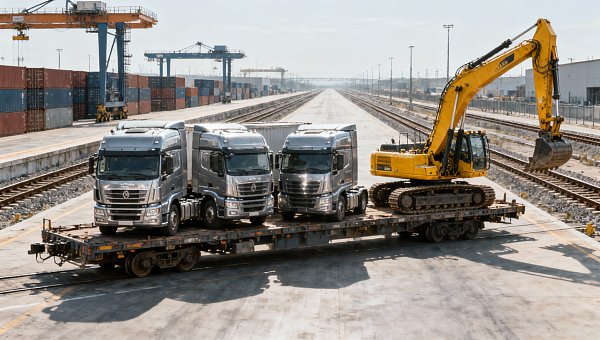
Effective May 1, 2026, China’s General Administration of Customs—jointly with 24 other government departments—has rolled out a unified multimodal transport regulatory framework across 45 cities nationwide. The initiative targets exporters of heavy-duty trucks, construction machinery, and oversized equipment shipping to Europe and Central Asia, significantly reducing logistics lead times and documentation costs.
Nationwide Rollout of Integrated Multimodal Customs Supervision
Starting in May 2026, the General Administration of Customs implemented a standardized 'single-document' regulatory model for rail-road-water multimodal transport across 45 Chinese cities. Under this system, enterprises submit one integrated multimodal transport application via the national Single Window platform to complete customs clearance across all transport legs. Redundant declarations and repeated inspections at coastal ports have been eliminated.
Impact Across Supply Chain Roles
Direct Exporters
Exporters of heavy-duty trucks and large-scale engineering equipment benefit directly from faster end-to-end transit times—up to 40% shorter for shipments to Europe—and lower administrative overhead. They now face reduced coordination effort between inland terminals and seaports, but must ensure their multimodal consignment data aligns precisely with Single Window requirements across all transport segments.
Manufacturing Enterprises
Equipment manufacturers involved in final assembly and export-ready packaging must adjust production scheduling and delivery windows to match the compressed logistics timeline. Their documentation workflows—including technical specifications, weight certifications, and cargo manifest formats—must conform to the new unified transport document structure.
Supply Chain Service Providers
Freight forwarders, multimodal operators, and inland logistics providers need to upgrade digital interfaces to support seamless data exchange with the Single Window. Their role shifts toward end-to-end regulatory orchestration rather than fragmented port-by-port compliance handling.
Procurement-Focused Enterprises
Companies sourcing raw materials or components for export-bound finished goods may experience tighter inbound delivery windows due to shortened overall export cycles. This increases pressure on supplier reliability and traceability—especially for large, high-value components requiring dimensional and structural certification.
Key Operational Considerations for Enterprises
Adapt Documentation to the Unified Transport Application
Enterprises must replace legacy, mode-specific documentation (e.g., separate road waybills and sea bills of lading) with the standardized multimodal transport document accepted by the Single Window. Internal systems—including ERP and TMS modules—require configuration updates to generate compliant data fields.
Validate Compliance of Inland Transit Segments
Since customs supervision now covers inland rail and road legs—not just port entry—exporters must verify that inland carriers hold valid operating licenses, meet cargo security standards, and maintain auditable chain-of-custody records throughout the entire journey.
Align Export Scheduling with Reduced Lead Times
The 40% reduction in transit time for Europe-bound heavy vehicles implies earlier readiness deadlines for customs submission, loading, and pre-shipment inspection. Procurement and production planning cycles must be recalibrated accordingly—particularly for oversized cargo requiring special permits and route approvals.
Prepare Technical Documentation for Cross-Modal Verification
Technical files—including load distribution diagrams, axle weight reports, and dimensional compliance certificates—must be structured to support verification at any multimodal handover point, not only at final port departure. Consistency across documents is essential to avoid delays during inland customs checks.
Industry Perspective: A Shift Toward Systemic Integration
From an industry perspective, this reform marks a structural transition—from siloed, mode-specific regulatory oversight toward coordinated, process-based supply chain governance. What deserves closer attention is how rapidly domestic logistics service providers can standardize digital reporting protocols and integrate with the Single Window infrastructure. Observably, manufacturers with mature digital documentation systems and certified multimodal partners are best positioned to capture early efficiency gains. Analysis shows that compliance agility—not just physical logistics capacity—will increasingly define competitive advantage in cross-border heavy equipment trade.
Strategic Implications for Global Equipment Trade
This policy does not alter tariff treatment or market access conditions, but it materially reshapes the operational baseline for exporting capital goods from China. It lowers the de facto transaction cost of long-haul multimodal shipments, potentially strengthening China’s position as a source of engineered exports to landlocked markets. However, its real-world impact remains contingent on consistent implementation across the 45 pilot cities and harmonization with foreign customs recognition frameworks—particularly in EU and Central Asian jurisdictions.
Source Attribution and Monitoring Guidance
This article was generated based solely on the user-provided title, event date (May 1, 2026), and summary. Specific official source links were not provided in the input and should be verified continuously. Stakeholders are advised to monitor upcoming implementation guidelines from the General Administration of Customs, updates to the Single Window technical specifications, and evolving feedback from pilot-city logistics associations and export chambers of commerce.
Trending News
- How to verify a truck trailer OEM's claimed payload capacity
- How does operating weight affect the price of a new excavator?
- How to compare concrete mixer truck suppliers by total landed cost
- How axle load limits affect low bed trailer exports to Southeast Asia
- How to locate a truck exhaust system leak before replacing parts
Tag
Recommended News
 Buying GuideHow to verify a truck trailer OEM's claimed payload capacityVerify a truck trailer OEM's payload claim with tare records, load calculations, and structural evidence. Learn key checks to avoid costly mistakes and buy with confidence.
 Buying GuideHow does operating weight affect the price of a new excavator?See how operating weight affects excavator price, transport costs, and productivity. Compare configurations and uncover the best value for your next equipment purchase.
 Buying GuideHow to compare concrete mixer truck suppliers by total landed costCompare truck cement mixer supplier quotes by total landed cost, including freight, duties, and delivery. Uncover hidden charges and choose the best-value truck for your fleet.
 Policy & RegulationsHow axle load limits affect low bed trailer exports to Southeast AsiaPlanning low bed trailer export to Southeast Asia? Learn how axle load limits affect legal payload, axle layouts, and route compliance to avoid costly mistakes before ordering.
 Truck TechnologyHow to locate a truck exhaust system leak before replacing partsLocate a truck exhaust system leak before replacing parts. Learn how to spot soot trails, confirm leaks safely, and identify root causes to avoid costly guesswork and repeat repairs.
 Buying GuideWhen does heavy equipment transport require a lowboy trailer?Does your heavy equipment need a lowboy trailer? Discover how loaded height, weight distribution, loading access, and route limits determine the right choice for safe transport.
 Fleet ManagementWhen does a light commercial vehicle for urban delivery save fleet costs?Light commercial vehicle for urban delivery: learn when route density, payload utilization, access, and driver productivity can reduce fleet cost per successful stop.
 Buying GuideHow to choose an off road truck for steep and unstable job sitesChoose the right off road truck for steep, unstable job sites. Compare traction, braking, stability, clearance, payload, and route-test essentials.
 Buying GuideHow to match crane truck lifting capacity to your jobsite loadsCrane truck capacity planning made clear: calculate gross load, radius, rigging, outriggers, and ground conditions to select safer, job-ready lifting equipment.
 Transportation CostsWhat drives logging truck cost beyond the base purchase price?Logging truck cost goes far beyond the base price. Explore chassis, cranes, trailers, fuel, compliance, and support factors to make a smarter timber-hauling investment.
 Buying GuideHow to match lowbed trailer deck height to your hauling equipmentLowbed trailer deck height guide: match equipment clearance, ramp geometry, axle loads, tractor fit, and route limits for safer, more efficient hauling.
 Truck ExportWhat documents are needed to export a low bed trailer to Southeast Asia?Low bed trailer export to Southeast Asia: discover essential shipping, customs, origin, and technical documents to avoid delays and ensure smooth import clearance.
 Buying GuideWhat to verify before choosing a delivery truck supplier for school transportationDelivery truck supplier for school transportation: verify route fit, payload, safety, compliance, service support, and total cost before choosing a reliable partner.
 Buying GuideWhat an excavator manufacturer catalog should show before you compare modelsExcavator manufacturer catalog guide: verify supplier identity, configurations, hydraulics, compliance, parts support, and delivery readiness before comparing models.
 Buying GuideWhat to check before appointing a bulldozer distributorBulldozer distributor selection guide: evaluate service, parts availability, warranty, pricing, compliance, and lifecycle value to reduce downtime and protect fleet investment.
 Truck ExportHow to verify supplier reliability when sourcing bulldozers overseasBulldozer sourcing made safer: learn how to verify overseas suppliers, inspect quality, confirm specifications, manage export documents, and reduce lifecycle risk.
 Buying GuideWhat to verify before choosing a truck cement mixer supplierTruck cement mixer supplier checklist: verify chassis fit, drum quality, hydraulics, compliance, spare parts, and after-sales support before you buy.
 Buying GuideHow to verify a truck spare parts supplier before placing a bulk orderTruck spare parts supplier verification made practical: learn how to check part specifications, factory control, test records, samples, pricing, and delivery capability before placing a bulk order.
 Buying GuideWhat size truck container is right for a typical freight load?Truck container sizing made simple: compare payload, volume, pallet layouts, route access, and loading needs to choose the most efficient freight solution.
 Buying GuideWhat drives semi trailer price differences between similar models?Semi trailer price differences come down to frame materials, axles, suspension, coating, and configuration. Compare specifications line by line to choose lasting value.
 Truck Parts IndustryWhat causes a truck injector to fail prematurely?Truck injector failure can stem from fuel contamination, water, wiring faults, heat, or incorrect installation. Discover practical diagnostic steps to prevent repeat repairs.
 Buying GuideHow to compare excavator manufacturer price lists before requesting quotesCompare an excavator manufacturer price list with confidence. Learn to normalize configurations, calculate landed costs, assess options and service, and create stronger RFQs.
 Truck TechnologyDoes a cab chassis truck for fire department have enough frame capacity?Cab chassis truck for fire department: assess frame strength, axle loads, tank weight, stability and compliance for a safer, reliable fire apparatus build.
 Buying GuideHow to choose a mixer truck drum capacity for your concrete pourMixer truck capacity guide: match drum size to pour rate, legal payload, site access, and delivery cycles for efficient, reliable concrete placement.
 Buying GuideHow to size a bulldozer for construction site grading workBulldozer for construction sizing guide: match weight, blade, traction, grade control, and transport needs to improve grading productivity and costs.