Truck Transmission Problems: Early Signs, Causes, and Fix Options
Why truck transmission problems look different across real working conditions
Truck transmission faults rarely begin with a dramatic breakdown. More often, the first clues are small and easy to dismiss during daily operation.
A delayed shift after startup, a light shudder on an incline, or a brief slip under load can all signal deeper wear.
In heavy transport, these early signs matter because downtime affects delivery timing, fuel use, maintenance planning, and component life across the drivetrain.
The challenge is that truck transmission behavior changes by application. A long-haul tractor, a dump truck, and a mixer may report similar symptoms for different reasons.
That is why useful diagnosis starts with context, not only with fault codes or a single road test.
In practical maintenance work, the better question is not simply whether the truck transmission is failing. It is where, when, and under what load the symptom appears.
This matters across the global heavy truck market as well. Platforms that connect trucks, spare parts, and industry data make comparisons easier, but the final judgment still depends on field conditions.
On highways, early truck transmission symptoms often hide behind stable cruising
Long-distance freight vehicles usually spend hours in steady gears, so truck transmission problems can remain unnoticed until the unit faces grade changes or overtaking demand.
In this setting, common warning signs include slow engagement after rest stops, unstable downshifts on hills, and rising transmission temperature despite normal ambient conditions.
A worn clutch pack, degraded fluid, or valve body contamination may all produce similar symptoms. The difference becomes clearer when load history is reviewed.
For trucks running consistent routes, subtle change over time is often more important than one isolated complaint.
What deserves closer attention on long-haul units
- Shift delay after sustained highway heat buildup
- Gear hunting when road grade changes slightly
- Drop in fuel economy without engine-related faults
- Fine debris in fluid during scheduled inspection
A frequent misjudgment is blaming the engine because the truck still moves normally at cruise speed. In reality, the truck transmission may already be compensating for pressure loss.
Construction and mining routes place truck transmission stress in shorter, harsher cycles
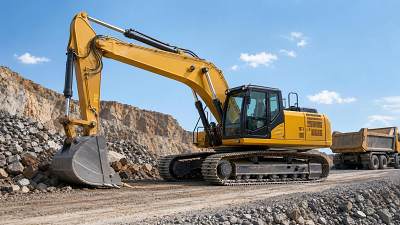
Off-road hauling and mixed-surface work create a very different pattern. The truck transmission sees repeated starts, harsh grade changes, dust exposure, and uneven traction.
Here, noises during low-speed engagement often matter more than top-gear behavior. Harsh shifting can point to mount issues, sensor faults, or internal wear accelerated by shock loading.
This is also where overheating should never be read as a fluid issue alone. Restricted coolers, external contamination, and incorrect operating habits can all combine.
In real fleet conditions, a truck transmission that survives highway duty may fail early in quarry or construction cycles if lubrication intervals are copied without adjustment.
Why the same symptom can mean something else off-road
The key point is adaptation. A truck transmission spec that looks correct on paper may still be wrong for the actual duty cycle.
Urban distribution brings more shifting events and more chances to overlook wear
City logistics adds frequent stop-start movement, lower average speed, and constant gear changes. That creates cumulative wear even when gross load is not extreme.
In these applications, truck transmission complaints often arrive as hesitation, jerkiness, or inconsistent response during low-speed maneuvering.
Because routes are short, operators may keep working around the issue for weeks. That delays repair until seals, solenoids, or friction materials deteriorate further.
A practical mistake is assuming low mileage means low wear. For urban duty, shift frequency can be a better predictor than distance traveled.
Useful fix options for repeated low-speed symptoms
- Check fluid condition before replacing hard parts
- Inspect wiring and sensors exposed to moisture and vibration
- Review software calibration on automated manual systems
- Compare service intervals with actual stop-start intensity
These steps are usually faster and more reliable than replacing assemblies based only on a vague shifting complaint.
Different truck transmission causes often overlap, so diagnosis needs structure
Most truck transmission failures do not come from one isolated cause. Wear, heat, contamination, control errors, and route conditions often interact.
That is why a structured process saves time. It separates repairable issues from rebuild-level damage before unnecessary parts are ordered.
When replacement parts are sourced globally, this structured view becomes even more useful. It supports better matching of components, specifications, and compatible assemblies.
What people often miss before choosing repair, rebuild, or replacement
One common error is focusing only on the immediate repair bill. Truck transmission decisions should also consider downtime, labor repeat risk, and parts availability.
Another mistake is treating similar truck models as having identical transmission requirements. Final drive ratio, payload pattern, and software version can change the right fix.
There is also a sourcing issue. A component that fits dimensionally may still create problems if cooling capacity, torque rating, or control compatibility is overlooked.
This is where wider market visibility helps. Access to supplier comparisons, technical references, and cross-border spare parts data can reduce selection mistakes.
In practice, the best truck transmission choice is rarely the cheapest unit upfront. It is the option that aligns with real load, route profile, service interval, and expected operating life.
A practical path for deciding the next step
When truck transmission symptoms appear, start by mapping the operating scene before ordering parts or committing to a rebuild.
- Record when the symptom appears: cold start, climb, cruise, or stop-start traffic
- Match the complaint with load level, terrain, and recent maintenance history
- Inspect fluid, temperature trend, and electronic control data together
- Compare repair options against route intensity and expected downtime cost
- Confirm compatibility if sourcing replacement truck transmission parts internationally
Truck transmission reliability improves when diagnosis follows the application, not just the symptom list. That approach leads to smarter repair timing and fewer repeated failures.
For heavy truck operations linked to logistics, construction, mining, or municipal work, the useful next move is to build a simple scene-based checklist and review it before every major transmission decision.
Trending News
- How to compare concrete mixer truck suppliers by total landed cost
- How axle load limits affect low bed trailer exports to Southeast Asia
- How to locate a truck exhaust system leak before replacing parts
- When does heavy equipment transport require a lowboy trailer?
- When does a light commercial vehicle for urban delivery save fleet costs?
Tag
Recommended News
 FAQHow to spot early signs of truck hydraulic system failureTruck hydraulic system issues rarely start with total failure. Learn the early signs—pressure loss, noise, leaks, heat, and jerky movement—to prevent downtime and costly repairs.
 FAQHow to Diagnose Common Truck Steering System Problems Before They Cause DowntimeTruck steering system problems can cause costly downtime. Learn how to spot early warning signs, diagnose faults fast, and keep fleets safe and reliable.
 FAQTruck Air System Problems: Common Failure Points and FixesTruck air system problems can start with slow pressure build, leaks, or moisture. Learn common failure points, practical fixes, and how to improve truck uptime and safety.
 FAQExcavator Parts Failure Signs You Should Not IgnoreExcavator parts warning signs often start small. Learn how to spot wear, hydraulic weakness, overheating, and undercarriage damage early to reduce downtime and avoid costly shutdowns.
 FAQTruck Axle Failure Signs and Maintenance Checks That MatterTruck axle warning signs often start with heat, noise, leaks, or uneven tire wear. Learn the key maintenance checks that prevent costly downtime and unsafe failures.
 FAQTruck Wing Loading Problems and How to Prevent DowntimeTruck wing loading problems often start with small daily errors. Learn practical checks, route-based prevention tips, and smart maintenance steps to cut downtime and keep deliveries moving.
 FAQTruck Cement Delivery Problems: Common Causes and Practical FixesTruck cement delivery problems can cause blockages, delays, and waste. Learn the common causes, practical fixes, and smart checks to improve reliability and reduce downtime.
 FAQTruck Refrigerated Unit Failures That Increase Cargo Loss RiskTruck refrigerated failures can quietly raise cargo loss risk. Learn how route type, heat, airflow, seals, and parts planning affect cold-chain reliability.
 FAQTruck Transmission Problems: Early Signs, Causes, and Fix OptionsTruck transmission issues can start with subtle shifts, slipping, or heat buildup. Learn early signs, key causes, and practical repair or rebuild options for every duty cycle.
 FAQTruck Pump Troubleshooting: Common Pressure Loss Causes and FixesTruck pump troubleshooting guide: discover common pressure loss causes, warning signs, and practical fixes to restore hydraulic performance, reduce downtime, and prevent repeat failures.
 FAQHow to Evaluate a Truck Cement Supplier for Delivery RiskTruck cement supplier evaluation starts with delivery risk. Learn how to assess capacity, logistics control, export readiness, and on-time performance before you place an order.
 FAQExcavator Bucket Sizes Explained for Trenching, Loading, and Rock WorkExcavator bucket size affects trenching accuracy, loading speed, and rock work durability. Learn how to choose the right excavator bucket for better productivity and lower wear.
 FAQTruck Battery Problems: Signs, Causes, and FixesTruck battery problems can lead to breakdowns and costly delays. Learn the key warning signs, main causes, and practical fixes to keep heavy trucks reliable and on the road.
 FAQTipper Trailer Payload Limits and Safety RisksTipper trailer payload limits affect braking, stability, and rollover risk. Learn practical safety checks, load control tips, and ways to reduce costly overload damage.
 FAQHow to Qualify a Truck Tipper Supplier for Safety and Build ConsistencyTruck tipper supplier qualification starts with safety. Learn how to assess build consistency, hydraulic reliability, and factory controls to reduce sourcing risk.
 FAQHow to Read a Water Truck Quotation Without Missing Hidden CostsWater truck quotation guide: learn how to spot hidden costs in specs, freight, compliance, spare parts, and warranty so you can compare offers accurately and buy with confidence.
 FAQDelivery Truck Supplier for School Transportation: Safety ChecklistDelivery truck supplier for school transportation: use this safety checklist to compare compliance, braking, visibility, build quality, and supplier reliability before you buy.
 FAQHow ISO Certification Reduces Sourcing Risk in Truck Chassis SupplyHeavy truck chassis manufacturer with ISO certification: discover how certified suppliers reduce sourcing risk, improve traceability, and support safer global truck chassis procurement.
 FAQWater Sprinkler Truck Uses, Tank Sizes, and Road Safety BasicsWater sprinkler truck uses, tank sizes, and road safety basics explained. Learn how to choose the right capacity, improve dust control efficiency, and compare reliable fleet-ready options.
 FAQDelivery Truck for School Transportation: Safety Points Before OrderingDelivery truck supplier for school transportation: review key safety points before ordering, from braking and visibility to compliance and passenger protection.
 FAQDump Truck Sourcing Mistakes That Delay Construction ProjectsDump truck sourcing mistakes can delay construction projects, raise hidden costs, and disrupt site schedules. Learn the key risks to avoid and source smarter for faster, more reliable project delivery.
 FAQIs a Bulldozer for Construction the Right Fit for Your Site ConditionsBulldozer for construction: learn how terrain, soil, slope, and job size determine the right machine fit. Compare site conditions, avoid costly mismatches, and choose with confidence.
 FAQDump Truck OEM Quality Control Points Before Factory AcceptanceDump truck OEM quality control points before factory acceptance: learn the key checks for welding, hydraulics, brakes, and safety to reduce risk, avoid failures, and choose reliable suppliers.
 FAQTruck Trailer Bulk Order: How to Avoid Spec Drift Across BatchesTruck trailer bulk order quality can fail when specs drift across batches. Learn how to lock standards, align suppliers, and protect safety, compliance, and delivery consistency.
 FAQWhat a Dump Truck Distributor Should Offer After Vehicle DeliveryDump truck distributor support matters after delivery. Learn what to expect in spare parts, warranty, training, and technical service to reduce downtime and protect your investment.