Titanium Expo to Spotlight Truck Lightweighting
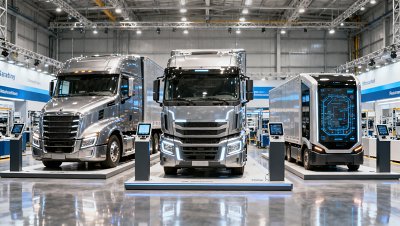
On June 20, 2026, the 2026 Titanium Industry Expo will open in Yongkang, Zhejiang, running through June 22. The event is drawing attention from the titanium materials sector, commercial vehicle manufacturing, and Tier 1 supplier networks because it will, for the first time, feature a dedicated commercial vehicle lightweighting application zone focused on key road transport components such as titanium alloy wheels, suspension brackets, and exhaust systems. For industry participants, this matters not only as an exhibition update, but as a potential signal of where supplier matchmaking and component development may be moving next.
Event Overview
According to the disclosed event information, the 2026 Titanium Industry Expo is hosted by Shuangying Holding and will take place in Yongkang, Zhejiang, from June 20 to 22, 2026. A new “Commercial Vehicle Lightweighting Application Zone” has been established for this edition.
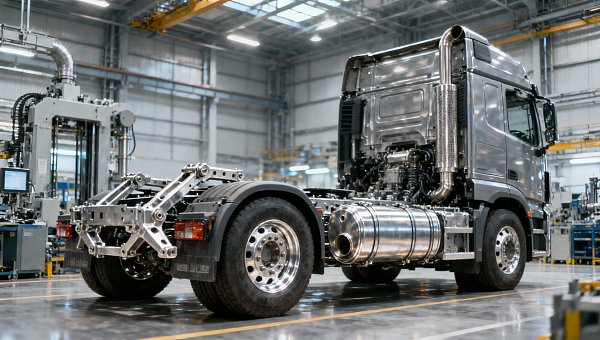
The public information confirms that the zone will focus on core components used in land transport equipment, including titanium alloy wheels, suspension brackets, and exhaust systems. The expo will feature 12 leading Chinese titanium enterprises, including Baoti Co., Ltd. and Western Superconducting Technologies. The event will provide OEM/ODM technical matchmaking and support for small-batch trial production, with registration open to global truck manufacturers and Tier 1 suppliers.
At this stage, these are the key confirmed facts currently available. No further technical standards, transaction outcomes, or project conversion details have been publicly confirmed in the provided information.
Which Industry Segments May Be Affected
Commercial vehicle OEMs
Truck manufacturers are among the most directly affected groups because the expo has explicitly created a dedicated interface around lightweighting applications for commercial vehicles. The impact is likely to center on component sourcing visibility, early-stage technical evaluation, and supplier screening for parts tied to vehicle weight reduction.
From an industry perspective, the significance is not simply that titanium products will be displayed, but that OEM/ODM technical matchmaking and small-batch trial production support are being offered in the same setting. This may make the event more relevant for development teams assessing whether specific titanium components are mature enough for pilot-level engagement.
Tier 1 component suppliers
Tier 1 suppliers should pay attention because the highlighted categories—wheels, suspension brackets, and exhaust systems—sit close to system integration and performance validation requirements. The impact may be reflected in expanded options for upstream material collaboration and in earlier discussions with titanium producers about manufacturability and trial production.
Analysis shows that for Tier 1 suppliers, the practical value of such an event is often tied to how quickly material-side discussions can be translated into sample development. The presence of small-batch trial production support makes this expo more relevant than a standard display-only exhibition for suppliers evaluating new component pathways.
Titanium material producers and processors
For titanium enterprises, the impact lies in more targeted downstream application matching. The dedicated commercial vehicle lightweighting zone narrows the conversation from broad material promotion to specific component use cases in road transport equipment.
Observably, this changes the discussion from general market exposure to application-oriented engagement. Companies attending the expo may need to present not only material capability, but also responsiveness to OEM/ODM cooperation and trial-stage production needs. That is especially relevant for enterprises seeking to shorten the distance between exhibition presence and commercial qualification discussions.
Prototype manufacturing and small-batch production service providers
Enterprises involved in pilot manufacturing, sample support, or limited-run production may also be affected because the event information explicitly mentions support for small-batch trial production. This indicates that the expo is not positioned only around sales leads, but also around intermediate development steps between concept and broader adoption.
Current attention should focus on whether such support becomes a practical entry point for follow-up projects. More appropriately understood, this is a signal that trial-stage collaboration is being taken seriously in the event structure, even though no actual project outcomes have yet been confirmed.
Supply chain and sourcing service firms
Supply chain coordinators, industrial sourcing teams, and cross-border business development firms may also find the event relevant because registration is open to global truck manufacturers and Tier 1 suppliers. The impact here is likely to appear in business matching, supplier discovery, and communication support between material producers and international buyers.
From an industry perspective, this matters because events that openly target both Chinese top-tier titanium suppliers and overseas commercial vehicle buyers can reshape how early sourcing conversations are initiated. However, it would be premature to treat this as a confirmed shift in procurement patterns before concrete follow-up results are available.
What Companies and Practitioners Should Watch and How to Respond Now
Track official follow-up disclosures after the expo opens
Companies should closely monitor official updates issued during and after the June 20–22 event window, especially any further clarification on participating product categories, technical matchmaking arrangements, or trial-production cooperation formats. This is important because the currently available information confirms the structure and participants, but does not yet confirm project outcomes or procurement conversion.
Focus on the named component categories rather than broad lightweighting narratives
For practical decision-making, businesses should prioritize the specific categories already disclosed: titanium alloy wheels, suspension brackets, and exhaust systems. Observably, these are the concrete areas where supplier engagement is being organized. Compared with broad discussion of lightweight materials, these named parts offer a clearer basis for evaluating technical fit, sourcing interest, or downstream inquiry preparation.
Separate exhibition signaling from actual business implementation
Analysis shows that not every dedicated exhibition zone leads directly to procurement or mass adoption. OEMs, Tier 1 suppliers, and titanium enterprises should distinguish between a strong market signal and a confirmed commercial rollout. In practical terms, this means treating the expo as a channel for validation, initial contact, and feasibility discussion unless further official information confirms signed projects or production-stage programs.
Prepare targeted technical and supply-side communication
Companies planning to engage with this expo should prepare discussions around OEM/ODM cooperation and small-batch trial production rather than relying on general capability presentations. More appropriately understood, the event appears structured for application matching, so stakeholders may benefit from organizing communication around component-specific development, trial sample expectations, and production coordination readiness within the boundaries of publicly confirmed information.
Editorial View / Industry Observation
Observably, this expo should not be read only as a routine exhibition announcement. The first-time creation of a commercial vehicle lightweighting application zone suggests a more application-driven effort to connect titanium suppliers with truck and Tier 1 demand around defined components.
From an industry perspective, the current development looks more like a market signal than a confirmed result. The disclosed information shows a clearer matchmaking framework, participation from 12 leading Chinese titanium enterprises, and explicit support for OEM/ODM engagement and small-batch trial production. What it does not yet show is the extent of technical adoption, procurement conversion, or long-term sourcing impact.
Current attention should focus on whether this event leads to sustained follow-up between titanium producers and commercial vehicle supply chain participants. Analysis shows that the industry should continue watching not because outcomes are already established, but because the structure of this expo points to a more focused attempt to move titanium applications closer to road transport component development.
In summary, the 2026 Titanium Industry Expo in Yongkang is relevant beyond the exhibition calendar because it places heavy truck lightweighting components into a formal matchmaking setting. For commercial vehicle OEMs, Tier 1 suppliers, titanium material producers, and trial-stage manufacturing partners, the immediate significance lies in the clearer application focus rather than in any confirmed market outcome.
A neutral reading is that this development is best understood as an actionable industry signal. It indicates where supply-side attention and technical business matching are being directed, but it should not yet be treated as proof of large-scale commercial adoption. For now, the more appropriate response is close observation, targeted engagement, and practical preparation around the disclosed component categories and cooperation formats.
Source Note
Main source: the event information provided for the 2026 Titanium Industry Expo.
Items requiring continued observation: any official post-opening disclosures related to supplier matchmaking outcomes, OEM/ODM cooperation progress, small-batch trial production implementation, and subsequent business conversion involving truck manufacturers or Tier 1 suppliers.
Trending News
- How to size a bulldozer for construction site grading work
- How to assess a truck cement manufacturer’s build quality before ordering
- When does a truck trailer OEM make sense for private-label fleets?
- What to verify before choosing a water truck OEM for your fleet
- How to size a cab chassis truck for a fire department apparatus
Tag
Recommended News
 Truck Events & ExhibitionsEU to Require Smart Braking and Carbon LabelsEU will require smart braking and carbon labels for heavy trucks and semi-trailers from 2027 Q3. See what exporters must prepare now for type approval, AEBS, and compliance.
 Truck Events & ExhibitionsMENA Pilot Opens Smart Truck Approval PathMENA Pilot Opens Smart Truck Approval Path: explore how the new GCC+ MENA framework streamlines smart truck certification for V2X, ADAS L2+, and OTA access across Saudi Arabia, the UAE, and Egypt.
 Truck Events & ExhibitionsIAA Transportation 2026 Adds China New Energy Truck PavilionIAA Transportation 2026 adds a China New Energy Truck Pavilion, spotlighting certified EV truck makers and suppliers. Discover who qualifies, why EU compliance matters, and what buyers should watch.
 Truck Events & ExhibitionsIAA 2026 Preview: China EV Truck Entries Jump 42%IAA 2026 Preview reveals China EV truck entries jumping 42%, highlighting battery-swapping, hydrogen, and multi-energy chassis trends shaping compliance, sourcing, and market access.
 Truck Events & ExhibitionsIAA 2026: China Truck Tech Draws EU, US Fleet InterestIAA 2026 highlights rising EU and US fleet interest in China truck tech, from L3 intelligent heavy-duty trucks to low-carbon powertrains. See what this means for fleet procurement.
 Truck Events & ExhibitionsIAA 2026 Registration Signals New Compliance FocusIAA 2026 Registration highlights a new compliance focus in heavy truck markets, from certified supplier visibility to zero-emission and autonomous systems. Explore what it means for exporters and buyers.
 Truck Events & ExhibitionsIAA Transportation 2026 Extends Deadline to July 10IAA Transportation 2026 extends its deadline to July 10, giving exhibitors extra time while adding a new tech matchmaking zone for new energy trucks, buyers, and suppliers.
 Truck Events & ExhibitionsIAA 2026 China Group Deadline Extended to July 15IAA 2026 China Group Deadline Extended to July 15: discover why only 11 booths remain and how UN ECE R100.03 and ISO 26262 readiness could shape exhibitor access.
 Truck Events & ExhibitionsIAA 2026 Opens Registration as China NEV Commercial Vehicle Zone Grows 50%IAA 2026 opens registration as the China NEV commercial vehicle zone expands 50%. Explore buyer matchmaking, EV truck trends, and what global buyers and exhibitors should prepare now.
 Truck Events & ExhibitionsShanghai Show Highlights Export-Ready EV Truck SystemsShanghai Show Highlights Export-Ready EV Truck Systems as buyers shift toward intelligent e-axles, hydrogen chassis, and V2X diagnostics. See what this means for export compliance, sourcing, and delivery planning.
 Truck Events & ExhibitionsIAA 2026 Extends Registration, Adds China NEV ZoneIAA 2026 extends registration to June 30 and launches a China NEV Zone, spotlighting electric trucks, hydrogen vehicles, smart chassis, and V2X fleet tech for European buyers.
 Truck Events & ExhibitionsIAA Transport Extends China Signup, Adds NEV ZoneIAA Transport extends China signup to June 30 and launches a new NEV Zone. Explore how China NEV commercial vehicle suppliers can connect with European fleets, leasing firms, and Tier 1 partners.
 Truck Events & ExhibitionsALTS 2026 Opens in Shanghai With Multimodal FocusALTS 2026 opens in Shanghai with a multimodal focus, spotlighting TIR-compliant vehicles, cold chain trailers, and hazardous goods transport equipment. Explore the latest cross-border logistics trends.
 Truck Events & ExhibitionsBeijing Supply Chain Expo to Spotlight Smart Auto ChainBeijing Supply Chain Expo puts the smart auto chain in focus, highlighting NEV heavy-truck systems, automotive chips, domain controllers, and cross-border logistics opportunities.
 Truck Events & ExhibitionsThailand Industry Expo Highlights China’s E-TrucksThailand Industry Expo highlights China’s e-trucks with battery-swapping, hydrogen models, and smart dispatch systems—see why Southeast Asia buyers are placing trial orders.
 Truck Events & ExhibitionsChongqing Auto Show Puts L3 Truck Controllers in Export FocusChongqing Auto Show spotlights L3 truck controllers for export, with strong interest in domain controllers, drive-by-wire modules, and VLA kits across Europe and the Middle East.
 Truck Events & ExhibitionsLangfang Expo Signals New Export Matching for Smart TransportLangfang Expo Signals New Export Matching for Smart Transport, highlighting export-ready road transport equipment, B2B buyer matching, and compliance-focused opportunities for global procurement teams.
 Truck Events & ExhibitionsChongqing Auto AI Expo Puts Autonomous Trucks at CenterAutonomous trucks take the spotlight at the Chongqing Auto AI Expo as export-focused smart heavy truck solutions attract buyers from 32 countries. Explore market signals, cross-border deployment trends, and global logistics opportunities.
 Truck Events & ExhibitionsChongqing FATE 2026 Highlights AI Truck ComplianceChongqing FATE 2026 highlights AI truck compliance, showing how autonomous heavy truck makers, exporters, and buyers can prepare for EU, Middle East, and Latin America market entry.
 Truck Events & ExhibitionsChongqing Auto AI Expo Puts Focus on Autonomous TrucksAutonomous trucks take center stage at the Chongqing Auto AI Expo. Explore L3 commercialization, overseas distribution, compliance risks, and what it means for buyers and suppliers.
 Truck Events & ExhibitionsChongqing Auto AI Expo Opens With Focus on Autonomous TrucksChongqing Auto AI Expo spotlights autonomous trucks with L3 long-haul logistics solutions, vehicle-road-cloud systems, and compliance insights—see what it means for buyers and operators.
 Truck Events & ExhibitionsWIFFA Expo 2026 Booth Deadline Signals Compliance FocusWIFFA Expo 2026 booth deadline highlights a growing compliance focus in new-energy truck markets, with EU and Southeast Asia matchmaking shaping sourcing, certification, and trade-readiness decisions.
 Truck Events & ExhibitionsSmart New-Energy Chassis Draw Buying Interest at Turkey ExpoSmart new-energy chassis drew strong buying interest at Turkey Expo, with 210+ intention orders highlighting demand for V2X, steer-by-wire, and battery-swap heavy truck platforms.
 Truck Events & ExhibitionsChinese Firms Showcase Smart Equipment at Türkiye FairChinese firms showcase smart equipment at Türkiye Fair, highlighting modular electric truck chassis, CE certification progress, and localized service—key signals shaping cross-border procurement.
 Truck Events & ExhibitionsWBX Shanghai Ends With Focus on Wind Cargo VehiclesWBX Shanghai highlights rising demand for wind cargo vehicles, modular mining chassis, and special semi-trailers. See what this means for 2026–2027 sourcing, logistics planning, and export opportunities.