10th China-Russia Expo Highlights Heavy-Duty & NEV Trucks
The 10th China–Russia Expo opened on May 17, 2026 at the Harbin International Convention and Exhibition Center. As a flagship platform marking the 30th anniversary of China–Russia diplomatic relations, the event signals a strategic acceleration in cross-border heavy-vehicle trade and regulatory alignment—directly impacting commercial vehicle manufacturing, logistics equipment procurement, and Eurasian supply chain services.
Event Overview
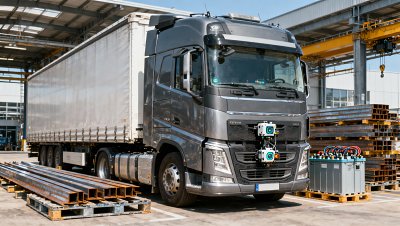
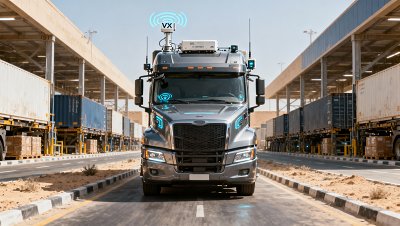
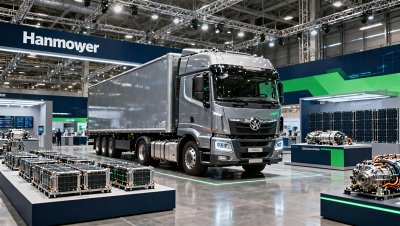
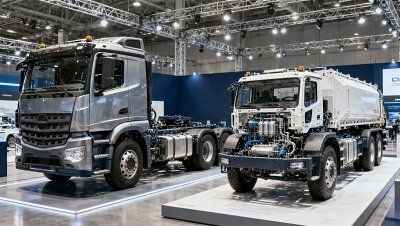
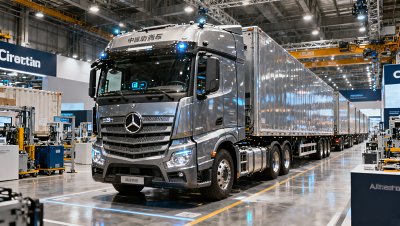
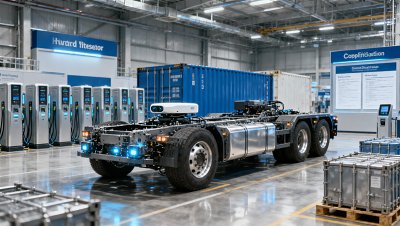
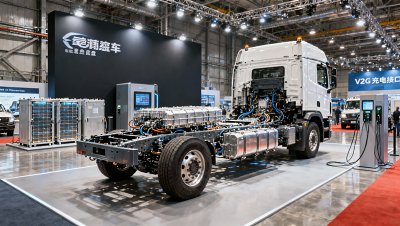
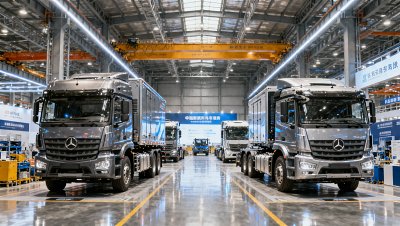
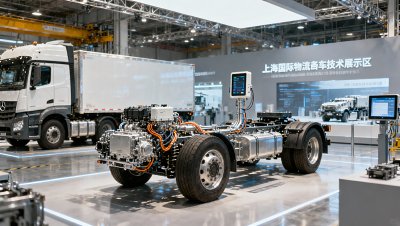
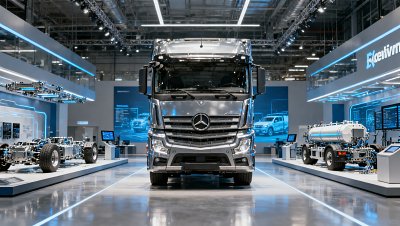
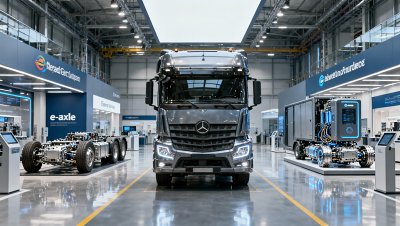
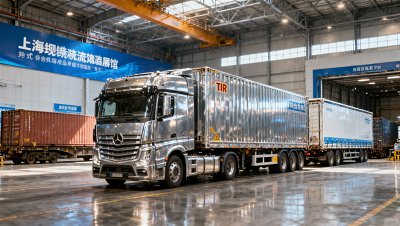
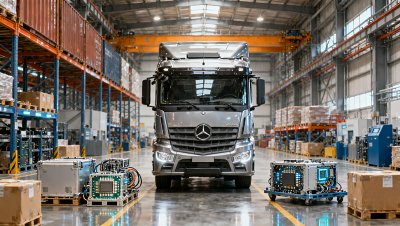
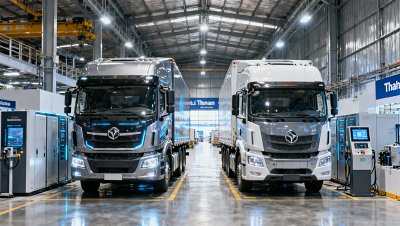
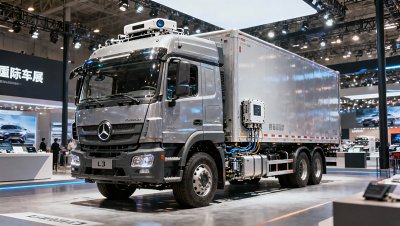
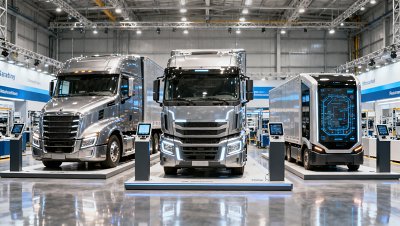
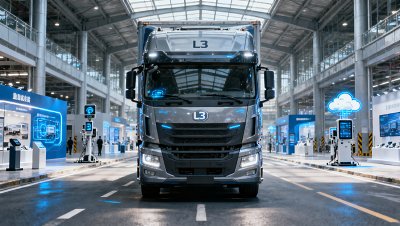
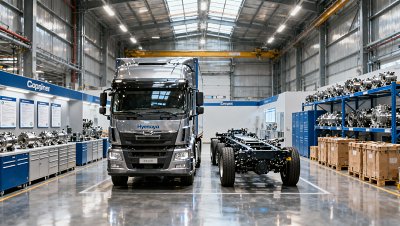
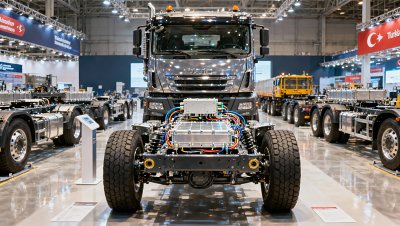
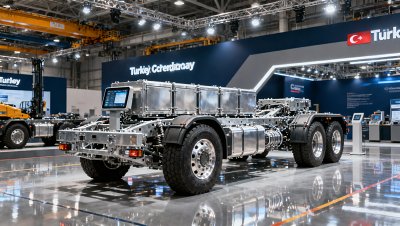
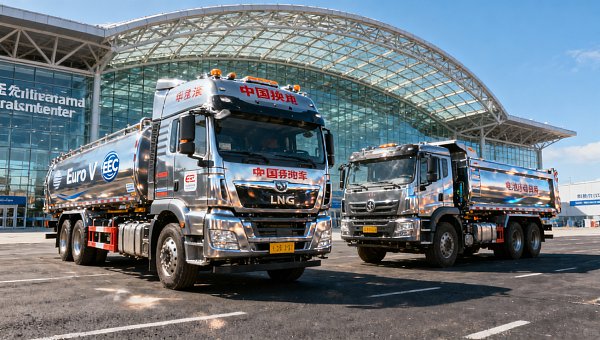
On May 17, 2026, the 10th China–Russia Expo commenced at the Harbin International Convention and Exhibition Center. Chinese leading heavy-duty truck manufacturers showcased LNG-powered tractor units, battery-swap rigid dump trucks, and export-oriented chassis certified to Euro V and EEC standards. Several major Russian logistics groups signed letters of intent for cross-border transportation equipment procurement during the opening day. The Russian side announced plans to streamline customs clearance for Chinese road transport equipment and pilot a ‘China–Russia Mutual Recognition of Type Approval’ green channel.
Industries Affected
Direct Trading Enterprises: Export-oriented OEMs and distributors face reduced time-to-market and lower compliance overhead for Russia-bound heavy vehicles. The mutual recognition pilot lowers certification duplication costs and shortens approval cycles—but only for models pre-qualified under both national type-approval frameworks. Exposure remains high for enterprises lacking dual-certified product lines.
Raw Material Procurement Enterprises: Suppliers of high-pressure LNG tanks, standardized battery-swapping modules, and EEC-compliant braking components are seeing early demand signals from exhibitors preparing for post-expo order fulfillment. However, no binding procurement commitments were disclosed; current impact is anticipatory rather than transactional.
Manufacturing Enterprises: Domestic heavy-truck assemblers must now align production planning with dual-standard requirements (e.g., Euro V emissions + Russian GOST R 41.04-2022). Factories exporting via this corridor may need to revalidate test protocols—notably for cold-weather performance validation under Russian climatic testing norms, which differ from EU or Chinese benchmarks.
Supply Chain Service Providers: Customs brokers, type-approval consultants, and cross-border logistics integrators are positioned to support clients navigating the new green channel. Yet the pilot’s scope remains undefined: it applies only to selected vehicle categories and designated border checkpoints, meaning service providers must verify eligibility case-by-case rather than assume blanket applicability.
Key Focus Areas & Recommended Actions
Verify Eligibility for the Mutual Recognition Pilot
Companies should confirm whether their specific vehicle models—and associated technical documentation—are included in the initial list of mutually recognized types. Submission deadlines, required test reports, and designated certification bodies have not yet been published by either side.
Assess LNG Infrastructure Readiness Along Key Corridors
Russian logistics groups signaled strong interest in LNG tractors—but refueling infrastructure remains sparse outside major transit hubs (e.g., Chita, Ulan-Ude). Exporters should coordinate with local partners to map existing LNG station coverage before finalizing delivery timelines.
Prepare for Dual-Certification Documentation Audits
Even under the green channel, documentary traceability remains strict. Manufacturers must retain full records of component-level conformity (e.g., engine EC type-approval, brake system GOST R certification) for potential verification by Russian inspectors at port or depot.
Editorial Perspective / Industry Observation
Observably, the Expo’s emphasis on heavy-duty and new-energy commercial vehicles reflects a broader recalibration: Russia is prioritizing fleet modernization amid tightening sanctions-related technology access, while China seeks stable, large-scale export markets for its mature EV and alternative-fuel powertrain ecosystems. Analysis shows this is less about immediate volume growth and more about institutional scaffolding—laying groundwork for standardized, repeatable trade flows. From an industry standpoint, the mutual recognition initiative is better understood as a confidence-building measure than a near-term deregulatory shift; its real test will be transparency in implementation, not just policy announcement.
Conclusion
The 10th China–Russia Expo marks a procedural inflection point—not a market breakthrough. Its significance lies in formalizing interoperability mechanisms between two major regulatory regimes, thereby reducing structural friction for long-haul commercial vehicle trade. For stakeholders, sustained engagement with bilateral technical working groups matters more than headline signings. A rational conclusion is that momentum has shifted toward process harmonization, but material commercial acceleration remains contingent on execution fidelity over the next 12–18 months.
Source Attribution
Official statements issued by the China Council for the Promotion of International Trade (CCPIT) and the Russian Ministry of Industry and Trade, as reported during the May 17, 2026 opening ceremony at Harbin International Convention and Exhibition Center. Details on the scope, timeline, and participating certification bodies for the ‘Mutual Recognition of Type Approval’ pilot remain pending official publication. Continued monitoring is advised for updates from the China Automotive Technology and Research Center (CATARC) and the Russian Federal Agency for Technical Regulating and Metrology (Rosstandart).
Trending News
- How to compare concrete mixer truck suppliers by total landed cost
- How axle load limits affect low bed trailer exports to Southeast Asia
- How to locate a truck exhaust system leak before replacing parts
- When does heavy equipment transport require a lowboy trailer?
- When does a light commercial vehicle for urban delivery save fleet costs?
Tag
Recommended News
 Truck Events & ExhibitionsEU to Require Smart Braking and Carbon LabelsEU will require smart braking and carbon labels for heavy trucks and semi-trailers from 2027 Q3. See what exporters must prepare now for type approval, AEBS, and compliance.
 Truck Events & ExhibitionsMENA Pilot Opens Smart Truck Approval PathMENA Pilot Opens Smart Truck Approval Path: explore how the new GCC+ MENA framework streamlines smart truck certification for V2X, ADAS L2+, and OTA access across Saudi Arabia, the UAE, and Egypt.
 Truck Events & ExhibitionsIAA Transportation 2026 Adds China New Energy Truck PavilionIAA Transportation 2026 adds a China New Energy Truck Pavilion, spotlighting certified EV truck makers and suppliers. Discover who qualifies, why EU compliance matters, and what buyers should watch.
 Truck Events & ExhibitionsIAA 2026 Preview: China EV Truck Entries Jump 42%IAA 2026 Preview reveals China EV truck entries jumping 42%, highlighting battery-swapping, hydrogen, and multi-energy chassis trends shaping compliance, sourcing, and market access.
 Truck Events & ExhibitionsIAA 2026: China Truck Tech Draws EU, US Fleet InterestIAA 2026 highlights rising EU and US fleet interest in China truck tech, from L3 intelligent heavy-duty trucks to low-carbon powertrains. See what this means for fleet procurement.
 Truck Events & ExhibitionsIAA 2026 Registration Signals New Compliance FocusIAA 2026 Registration highlights a new compliance focus in heavy truck markets, from certified supplier visibility to zero-emission and autonomous systems. Explore what it means for exporters and buyers.
 Truck Events & ExhibitionsIAA Transportation 2026 Extends Deadline to July 10IAA Transportation 2026 extends its deadline to July 10, giving exhibitors extra time while adding a new tech matchmaking zone for new energy trucks, buyers, and suppliers.
 Truck Events & ExhibitionsIAA 2026 China Group Deadline Extended to July 15IAA 2026 China Group Deadline Extended to July 15: discover why only 11 booths remain and how UN ECE R100.03 and ISO 26262 readiness could shape exhibitor access.
 Truck Events & ExhibitionsIAA 2026 Opens Registration as China NEV Commercial Vehicle Zone Grows 50%IAA 2026 opens registration as the China NEV commercial vehicle zone expands 50%. Explore buyer matchmaking, EV truck trends, and what global buyers and exhibitors should prepare now.
 Truck Events & ExhibitionsShanghai Show Highlights Export-Ready EV Truck SystemsShanghai Show Highlights Export-Ready EV Truck Systems as buyers shift toward intelligent e-axles, hydrogen chassis, and V2X diagnostics. See what this means for export compliance, sourcing, and delivery planning.
 Truck Events & ExhibitionsIAA 2026 Extends Registration, Adds China NEV ZoneIAA 2026 extends registration to June 30 and launches a China NEV Zone, spotlighting electric trucks, hydrogen vehicles, smart chassis, and V2X fleet tech for European buyers.
 Truck Events & ExhibitionsIAA Transport Extends China Signup, Adds NEV ZoneIAA Transport extends China signup to June 30 and launches a new NEV Zone. Explore how China NEV commercial vehicle suppliers can connect with European fleets, leasing firms, and Tier 1 partners.
 Truck Events & ExhibitionsALTS 2026 Opens in Shanghai With Multimodal FocusALTS 2026 opens in Shanghai with a multimodal focus, spotlighting TIR-compliant vehicles, cold chain trailers, and hazardous goods transport equipment. Explore the latest cross-border logistics trends.
 Truck Events & ExhibitionsBeijing Supply Chain Expo to Spotlight Smart Auto ChainBeijing Supply Chain Expo puts the smart auto chain in focus, highlighting NEV heavy-truck systems, automotive chips, domain controllers, and cross-border logistics opportunities.
 Truck Events & ExhibitionsThailand Industry Expo Highlights China’s E-TrucksThailand Industry Expo highlights China’s e-trucks with battery-swapping, hydrogen models, and smart dispatch systems—see why Southeast Asia buyers are placing trial orders.
 Truck Events & ExhibitionsChongqing Auto Show Puts L3 Truck Controllers in Export FocusChongqing Auto Show spotlights L3 truck controllers for export, with strong interest in domain controllers, drive-by-wire modules, and VLA kits across Europe and the Middle East.
 Truck Events & ExhibitionsLangfang Expo Signals New Export Matching for Smart TransportLangfang Expo Signals New Export Matching for Smart Transport, highlighting export-ready road transport equipment, B2B buyer matching, and compliance-focused opportunities for global procurement teams.
 Truck Events & ExhibitionsChongqing Auto AI Expo Puts Autonomous Trucks at CenterAutonomous trucks take the spotlight at the Chongqing Auto AI Expo as export-focused smart heavy truck solutions attract buyers from 32 countries. Explore market signals, cross-border deployment trends, and global logistics opportunities.
 Truck Events & ExhibitionsChongqing FATE 2026 Highlights AI Truck ComplianceChongqing FATE 2026 highlights AI truck compliance, showing how autonomous heavy truck makers, exporters, and buyers can prepare for EU, Middle East, and Latin America market entry.
 Truck Events & ExhibitionsChongqing Auto AI Expo Puts Focus on Autonomous TrucksAutonomous trucks take center stage at the Chongqing Auto AI Expo. Explore L3 commercialization, overseas distribution, compliance risks, and what it means for buyers and suppliers.
 Truck Events & ExhibitionsChongqing Auto AI Expo Opens With Focus on Autonomous TrucksChongqing Auto AI Expo spotlights autonomous trucks with L3 long-haul logistics solutions, vehicle-road-cloud systems, and compliance insights—see what it means for buyers and operators.
 Truck Events & ExhibitionsWIFFA Expo 2026 Booth Deadline Signals Compliance FocusWIFFA Expo 2026 booth deadline highlights a growing compliance focus in new-energy truck markets, with EU and Southeast Asia matchmaking shaping sourcing, certification, and trade-readiness decisions.
 Truck Events & ExhibitionsSmart New-Energy Chassis Draw Buying Interest at Turkey ExpoSmart new-energy chassis drew strong buying interest at Turkey Expo, with 210+ intention orders highlighting demand for V2X, steer-by-wire, and battery-swap heavy truck platforms.
 Truck Events & ExhibitionsChinese Firms Showcase Smart Equipment at Türkiye FairChinese firms showcase smart equipment at Türkiye Fair, highlighting modular electric truck chassis, CE certification progress, and localized service—key signals shaping cross-border procurement.
 Truck Events & ExhibitionsWBX Shanghai Ends With Focus on Wind Cargo VehiclesWBX Shanghai highlights rising demand for wind cargo vehicles, modular mining chassis, and special semi-trailers. See what this means for 2026–2027 sourcing, logistics planning, and export opportunities.