Water Truck Cost Breakdown: Purchase, Fuel, and Maintenance
Water Truck Cost Breakdown: Purchase, Fuel, and Maintenance
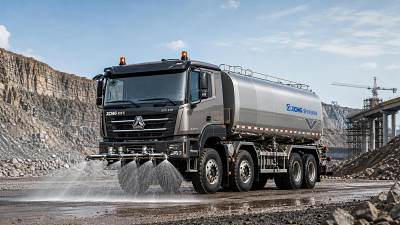
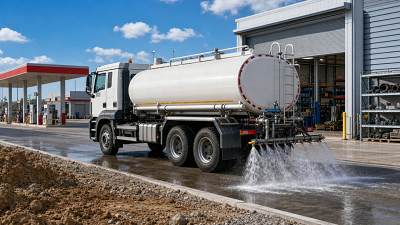
Understanding water truck cost is essential when reviewing fleet investment plans. The sticker price matters, but it is only one part of the picture.
Real spending continues through fuel, maintenance, tires, repairs, labor, and downtime. For many buyers, these ongoing costs shape the final return more than the initial invoice.
That is why a proper water truck cost review should focus on total ownership. In practical procurement, this leads to better supplier comparison and fewer budget surprises.
Whether the truck supports construction, mining, road cleaning, or municipal work, the same question applies: what will this unit truly cost over time?
What Shapes Water Truck Cost First
The first layer of water truck cost is purchase price. This usually varies by tank capacity, chassis brand, engine power, axle setup, and regional compliance needs.
A smaller unit for urban spraying may look affordable at first. A larger off-road configuration can cost much more, but may lower jobsite operating pressure later.
New equipment usually brings higher capital spending. Used trucks reduce entry cost, yet they may raise future maintenance exposure if service history is weak.
From a budgeting view, the right question is not simply “What does it cost today?” It is “What will it cost per year of useful service?”
Main purchase price drivers
- Tank size and material, including carbon steel or stainless options.
- Chassis configuration, such as 4x2, 6x4, or higher-load platforms.
- Engine performance, emission standard, and transmission type.
- Pump system, spray functions, hose reel, and dust suppression equipment.
- Import duties, delivery distance, documentation, and local registration needs.
Why Fuel Often Becomes the Biggest Operating Cost
After purchase, fuel usually becomes the most visible part of water truck cost. This is especially true for trucks running long shifts or operating on rough terrain.
Fuel use depends on more than engine size. Load weight, idling time, route quality, pump operation, and driver behavior all affect daily consumption.
In real business conditions, stop-and-go municipal work may consume fuel differently from highway hauling. Mining sites can push consumption even higher due to slope and dust.
This also means two trucks with similar purchase prices can produce very different annual budgets. A lower fuel burn can offset a higher upfront cost surprisingly fast.
How to estimate annual fuel spending
A simple estimate starts with expected working days, average distance, idle time, and fuel price. Then add a buffer for seasonal changes and heavy-duty conditions.
When comparing offers, ask suppliers for operating fuel benchmarks under similar conditions. Generic claims are less useful than application-based figures.
Maintenance Cost: The Part Buyers Often Underestimate
Maintenance is a major part of water truck cost, yet it is often underestimated during approval. That is a mistake because service needs are predictable and recurring.
Routine maintenance includes oil changes, filters, brake checks, tire rotation, pump inspection, nozzle cleaning, and hydraulic system review where applicable.
A truck used in dusty construction zones usually needs more frequent servicing. Water quality can also affect pump wear and internal corrosion over time.
More importantly, maintenance is not just a workshop expense. Poor maintenance increases downtime, missed deliveries, emergency repair bills, and project disruption.
Typical maintenance items
- Engine oil, coolant, and filter replacement at scheduled intervals.
- Water pump, valves, seals, and spray head inspections.
- Brake system wear checks under full-load conditions.
- Tire replacement due to heavy load and rough surfaces.
- Tank cleaning and corrosion prevention maintenance.
A practical buying approach is to request the preventive maintenance schedule before signing. This gives a more realistic view of water truck cost over three to five years.
Hidden Water Truck Cost Beyond Fuel and Service
Some expenses do not appear clearly in the first quotation. Still, they can change total water truck cost in a meaningful way.
Downtime is one example. If a truck is unavailable during a critical project phase, the indirect financial impact may exceed a normal repair invoice.
Spare parts lead time also matters. A lower-priced supplier with weak parts support can create longer stoppages and more expensive emergency responses.
Insurance, operator training, licensing, taxes, and compliance checks should also be included. These line items vary by country and application.
Resale value is another factor. A truck from a recognized brand may cost more now, but retain stronger market value later.
Common hidden costs to review
- Downtime caused by repairs or missing parts.
- Cross-border shipping delays for components.
- Unexpected tire wear in off-road applications.
- Local certification and registration expenses.
- Depreciation and weak resale performance.
How to Compare Suppliers More Accurately
A strong procurement decision needs more than a price list. To compare water truck cost correctly, use a total cost framework across the full operating cycle.
Start with the quoted unit price, then add fuel assumptions, maintenance intervals, consumables, expected service support, and parts availability.
Next, test supplier reliability. Ask for warranty terms, delivery scope, local support options, and reference cases from similar operating environments.
In many cases, the best-value truck is not the cheapest one. It is the one that controls risk while keeping performance stable over the planned service life.
Supplier comparison checklist
- Request itemized quotations, not package pricing only.
- Check engine, pump, and tank component brands.
- Review maintenance manuals and spare parts lists.
- Confirm warranty scope for chassis and upper body separately.
- Estimate three-year and five-year water truck cost scenarios.
A Simple Framework for Better Purchase Decisions
A useful decision model keeps things practical. Separate water truck cost into capital cost, annual operating cost, and risk-related cost.
Capital cost includes purchase, freight, tax, and setup. Operating cost includes fuel, labor, service, parts, tires, and inspections.
Risk-related cost covers downtime, parts delays, compliance failure, and resale uncertainty. This third category is often what separates a smart buy from a costly one.
If possible, score each supplier on these categories. That makes internal review easier and keeps decisions tied to measurable business logic.
For buyers sourcing globally, platforms focused on commercial vehicles can help narrow options faster. They also make supplier comparison more transparent and structured.
Final Takeaway on Water Truck Cost
Water truck cost should never be judged by purchase price alone. Fuel, maintenance, spare parts, downtime, and resale value all shape the real financial result.
A careful total cost review helps reduce risk and supports stronger supplier selection. It also creates clearer approval logic for fleet expansion and project budgeting.
In actual procurement, the most cost-effective choice is usually the truck that balances efficiency, durability, and support readiness over several years.
If you are comparing global sourcing options, build your analysis around full lifecycle water truck cost. That approach leads to better decisions and more reliable long-term value.
Trending News
- How to compare concrete mixer truck suppliers by total landed cost
- How axle load limits affect low bed trailer exports to Southeast Asia
- How to locate a truck exhaust system leak before replacing parts
- When does heavy equipment transport require a lowboy trailer?
- When does a light commercial vehicle for urban delivery save fleet costs?
Tag
Recommended News
 Transportation CostsWhat drives logging truck cost beyond the base purchase price?Logging truck cost goes far beyond the base price. Explore chassis, cranes, trailers, fuel, compliance, and support factors to make a smarter timber-hauling investment.
 Transportation CostsWhat Drives Water Truck Cost for Construction and Mining Fleets?Water truck cost depends on tank size, chassis, spray system, and lifecycle support. Learn how construction and mining fleets compare quotes and avoid costly spec mistakes.
 Transportation CostsTruck Bulk Transport: Cost, Capacity, and Loading RisksTruck bulk transport explained: compare cost, capacity, and loading risks to choose safer, more efficient equipment and reduce lifecycle expense.
 Transportation CostsContainer Trailer Cost Factors That Affect Total Landed PriceContainer trailer cost goes far beyond the factory quote. Discover the key factors shaping total landed price, from specs and freight to taxes, compliance, and after-sales support.
 Transportation CostsBulldozer Price in 2026: What Changes the Total Cost Beyond the QuoteBulldozer price in 2026 means more than the quoted number. Learn how freight, duties, fuel, maintenance, downtime, and resale shape total ownership cost.
 Transportation CostsWater Truck Cost in 2026: What Drives Price and Lifetime ExpenseWater truck cost in 2026 depends on tank size, chassis, compliance, fuel, and maintenance. Learn what drives price and lifetime ownership expense before you buy.
 Transportation CostsLogging Truck Price in 2026: What Changes Total Ownership Cost?Logging truck price in 2026 is only the starting point. Learn how fuel, maintenance, payload, financing, and resale value shape total ownership cost.
 Transportation Costs2026 Truck Leasing Cost Trends: What to Budget for This YearTruck leasing in 2026 means more than a monthly rate. Learn the key cost trends, hidden budget risks, and smart planning tips to control fleet expenses this year.
 Transportation CostsDump Truck Wholesale Pricing: What Changes Total Fleet CostDump truck wholesale pricing is only the start. Learn how fuel, downtime, parts support, and truck specs shape total fleet cost and smarter sourcing decisions.
 Transportation CostsIndustrial Transportation Cost Drivers in 2026: Fuel, Utilization, and DowntimeIndustrial transportation costs in 2026 are driven by fuel volatility, fleet utilization, and downtime. Learn how to compare suppliers, cut hidden costs, and protect transport margins.
 Transportation CostsContainer Trailer Cost Factors That Affect Total Purchase ValueContainer trailer cost goes beyond the quote. Discover how steel, axles, compliance, shipping, and maintenance shape total purchase value and help you choose smarter.
 Transportation CostsTruck Tipper Price Breakdown: What Drives Total Cost in 2026Truck tipper price in 2026 depends on more than the quote. Discover what drives total cost, hidden fees, specs, compliance, and supplier value before you buy.
 Transportation CostsHeavy Equipment Transport: Key Cost Factors and Route Planning TipsHeavy equipment transport costs depend on size, permits, routing, and timing. Learn practical route planning tips to cut delays, control budgets, and move equipment smarter.
 Transportation CostsCrane Truck Cost Breakdown: Purchase, Setup, and Operating ExpensesCrane truck cost explained from purchase and setup to fuel, maintenance, and downtime. Compare suppliers smarter and plan total ownership costs with confidence.
 Transportation CostsTruck Cement Sourcing: How to Compare Supply Risk and Delivered CostTruck cement sourcing made smarter: learn how to compare supply risk, logistics reliability, and delivered cost to avoid delays, cut hidden expenses, and protect project margins.
 Transportation CostsHeavy Duty Trucks for Sale in Australia: What Impacts Total CostHeavy duty trucks for sale in Australia: discover what really impacts total cost, from fuel and maintenance to compliance, finance, and resale value for smarter buying.
 Transportation CostsHow to Request an Accurate Construction Machinery QuotationConstruction machinery quotation tips for getting accurate, approval-ready pricing. Learn what details to prepare, compare supplier offers, and avoid hidden cost risks.
 Transportation CostsTianjin Port TIR Rates Rise 8% on June 17Tianjin Port TIR rates rise 8% as diesel costs and new BeiDou+GPS tracking rules reshape Central Asia road freight. See what exporters and shippers must adjust now.
 Transportation CostsBulk Cement Trailer Capacity vs Operating Cost ExplainedBulk cement trailer capacity directly affects fuel use, trip frequency, maintenance, and ROI. Learn how to compare sizes, cut operating costs, and choose the best trailer for your routes.
 Transportation CostsWater Truck Cost Breakdown: Purchase, Fuel, and MaintenanceWater truck cost explained from purchase price to fuel, maintenance, downtime, and resale. Compare suppliers smarter and estimate true ownership cost before you buy.
 Transportation CostsLight Commercial Vehicle for Food Delivery: Cost vs RangeLight commercial vehicle for food delivery buyers should weigh cost vs range, downtime, and service support to cut total delivery costs and choose the right fleet fit.
 Transportation CostsConstruction Machinery Cost Breakdown: Purchase, Fuel, and MaintenanceConstruction machinery cost explained through purchase price, fuel use, and maintenance impact. Learn how to compare lifecycle expenses and choose equipment with better long-term value.
 Transportation CostsTIR Digital Clearance Goes Live on China-Kazakhstan-Russia RouteTIR Digital Clearance goes live on the China-Kazakhstan-Russia route, cutting average clearance from 72 to 25 hours. See how e-CMR integration can improve road freight visibility, planning, and delivery control.
![]() Transportation CostsTruck Leasing vs Buying: Which Lowers Fleet Costs in 2026?Truck leasing vs buying in 2026: discover which option lowers fleet costs, protects cash flow, and improves flexibility for smarter fleet budgeting.
Transportation CostsTruck Leasing vs Buying: Which Lowers Fleet Costs in 2026?Truck leasing vs buying in 2026: discover which option lowers fleet costs, protects cash flow, and improves flexibility for smarter fleet budgeting. Transportation CostsTruck Leasing vs Buying: Cost Risks to Check FirstTruck leasing vs buying: uncover hidden cost risks in mileage, maintenance, depreciation, downtime, and contracts before choosing the best fleet strategy.