Quick Delivery Dump Truck Supply: When Speed Becomes a Risk
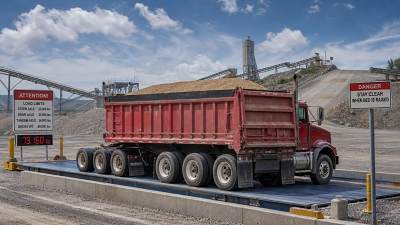
For project managers under pressure to keep earthmoving and construction schedules on track, choosing a dump truck supplier with quick delivery can seem like the smartest move. But when delivery speed outweighs equipment quality, compliance, and after-sales support, that shortcut can quickly turn into costly downtime, safety issues, and project delays.
The real question is not whether fast delivery matters. It does. The real question is whether the supplier can deliver quickly without increasing operational risk. For buyers responsible for project deadlines, site productivity, equipment uptime, and budget control, the best supplier is rarely the one that promises the shortest lead time alone. It is the one that balances speed with equipment reliability, parts availability, legal compliance, and service capability.
If you are evaluating a dump truck supplier with quick delivery, this article will help you judge what “quick” should actually mean in procurement terms. More importantly, it will show how to avoid the common mistake of treating delivery speed as proof of procurement efficiency when, in many cases, it simply shifts risk from the supplier to the project owner.
What project managers are really searching for when they want quick delivery
When project leaders search for a dump truck supplier with quick delivery, they are usually not looking for speed as an isolated feature. They are looking for schedule protection. A delayed vehicle can slow excavation, hauling, roadwork, mining support, or municipal transport operations. If equipment is unavailable when the site is ready, labor, subcontractors, and supporting machinery may sit idle while fixed costs continue to accumulate.
In other words, the search intent is highly practical and risk-driven. Buyers want to know which suppliers can deliver usable trucks on time, with the correct configuration, proper documentation, and enough support to keep the fleet working. A truck that arrives fast but fails inspection, breaks down early, or lacks spare parts is not a fast solution. It is a delayed problem.
This is especially true for project managers and engineering decision-makers, because they are often evaluated on output, not just procurement completion. Their concerns go beyond purchase price or shipment date. They need confidence that the trucks can enter service quickly, perform in the expected working environment, and remain productive throughout critical phases of the project.
Why “quick delivery” can become a hidden project risk
Fast supply can be a genuine advantage when it comes from stock availability, efficient factory planning, regional warehousing, or an experienced export process. However, it becomes dangerous when the promise of speed masks gaps elsewhere in the supply chain. Some suppliers reduce delivery time by offering mismatched specifications, skipping pre-delivery inspection steps, using substitute components, or shipping units without adequate preparation for the destination market.
For a project team, these issues often surface only after arrival. The truck may technically be delivered, but not operational. You may face registration problems, missing compliance documents, incompatibility with local fuel or emissions standards, tire or axle specifications unsuitable for the terrain, or body configurations that do not match material density and loading practices. At that point, the project loses more time than it originally hoped to save.
There is also a financial risk. Emergency purchases tend to weaken buyer leverage. Under pressure, teams may accept unclear warranties, limited parts support, or incomplete service commitments. The result is a poor total cost of ownership. What looked like schedule protection at the buying stage becomes a maintenance, safety, and utilization problem during execution.
How to evaluate a dump truck supplier with quick delivery without compromising quality
The first step is to redefine your evaluation criteria. Instead of asking only “How fast can you deliver?”, ask “How fast can you deliver a truck that is ready for my site conditions and legal requirements?” This shifts the conversation from marketing claims to operational readiness. A reliable supplier should be able to explain inventory status, production lead time, configuration options, inspection procedures, shipping arrangements, and expected commissioning support.
Second, verify whether the supplier’s quick delivery promise is based on actual stock, near-complete production units, or just aggressive sales language. In-stock units can shorten lead time significantly, but they may also limit your ability to customize payload, drive type, engine power, body dimensions, suspension, or PTO setup. That is not always a problem, but it must be confirmed in relation to your project needs. A standard truck that is available now may be less useful than a slightly slower option that is correctly specified.
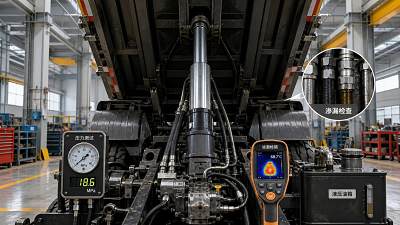
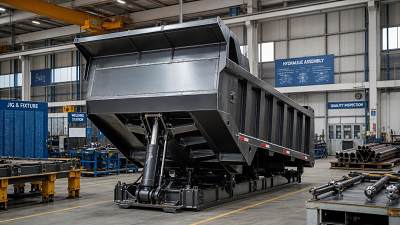
Third, review the supplier’s quality controls. Ask for pre-shipment inspection records, factory test documentation, component brand details, and photos or videos of the exact unit if possible. Request clarity on engine, transmission, axle, hydraulic system, dump body steel grade, and electrical configuration. For project managers, this level of detail is not excessive. It is how you reduce the chance of receiving equipment that looks acceptable on paper but performs poorly under real load conditions.
Which risks matter most on active construction and earthmoving projects
On a live project, the biggest risk is not simply vehicle failure. It is workflow disruption. Dump trucks are often part of a tightly connected chain involving excavators, loaders, crushers, paving teams, batching operations, or spoil disposal schedules. When trucks are unavailable or underperforming, the impact spreads across the jobsite. Cycle times increase, queueing worsens, and machine utilization drops. That means the procurement risk quickly becomes a production risk.
Safety is another major concern. A hastily sourced truck may have braking, tire, stability, hydraulic, or visibility issues that are not obvious during procurement. On rough terrain or high-volume hauling routes, these problems can lead to accidents, tip-over incidents, uncontrolled discharge, or operator fatigue. Project managers have to think beyond delivery speed and consider how equipment quality affects the site’s overall safety exposure.
Then there is the maintenance burden. If the supplier has no clear spare parts pathway, your internal workshop or local service partner may struggle to keep the truck operational. Even common wear items can become bottlenecks if the brand has weak regional support. For fast-moving projects, a truck waiting weeks for hydraulic seals, electrical modules, or axle parts can be more damaging than a slower initial purchase from a better-supported supplier.
Questions every buyer should ask before selecting a fast-delivery supplier
Start with availability and configuration. Ask whether the units are physically available now, where they are located, and whether the specification sheet matches your application. Clarify payload capacity, axle arrangement, engine output, emission standard, body volume, tipping mechanism, and whether the truck is intended for road use, off-road use, or mixed operating conditions. The goal is to prevent a mismatch between what is delivered and what your site actually requires.
Next, ask about compliance and documentation. Can the supplier provide the export papers, certificates, homologation support, inspection records, and any destination-specific requirements needed for legal entry and operation? A supplier that moves quickly on logistics but slowly on documentation can still delay your project. In international procurement, paperwork is often as important as physical delivery.
Finally, ask about after-sales response. Who handles technical support after delivery? Is there a local distributor, service partner, or remote troubleshooting process? What spare parts are stocked, and where? What is the warranty scope, and how are claims handled across borders? A trustworthy dump truck supplier with quick delivery should be able to answer these questions clearly, not vaguely. Speed without service visibility is a warning sign.
How to balance speed, cost, and lifecycle value
Project teams often face a false choice between immediate delivery and responsible procurement. In reality, the right decision comes from balancing time savings against lifecycle impact. If a fast-delivery truck helps you avoid contractual penalties or keeps a critical earthmoving phase on schedule, paying a premium may be justified. But only if the equipment can perform reliably and be supported throughout the project period.
This is why total cost of ownership should remain part of the discussion even under time pressure. Evaluate fuel efficiency, maintenance intervals, tire wear under load, expected resale value, component durability, and access to parts. Two trucks with similar arrival dates can have very different cost profiles over six to eighteen months of heavy use. The cheaper or faster option is not automatically the better procurement result.
For project managers, the key is to link truck procurement to project economics, not just purchasing metrics. A supplier that delivers slightly later but provides stronger uptime, better operator support, and faster parts replacement may create higher net value than one that wins on shipping date alone. Smart procurement protects both the schedule and the margin.
What a reliable global supply platform can do for buyers under time pressure
When sourcing internationally, buyers often struggle to compare suppliers quickly and confidently. This is where a professional B2B industry platform can add real value. Instead of relying on isolated sales claims, project managers can use a structured marketplace to review multiple suppliers, compare product categories, assess capabilities, and gather supporting information before entering negotiations. That reduces decision pressure and improves procurement clarity.
For heavy truck and equipment sourcing, access to broader supplier networks is especially useful when lead time is critical. A global platform may help buyers identify alternatives across regions, product lines, and specification levels. If one supplier cannot meet the required timeline with the right configuration, another may have suitable units available. This creates flexibility without forcing the buyer into a rushed, single-source decision.
Beyond product listings, trusted industry platforms also support smarter decision-making through market insights, supplier visibility, brand information, and category-based research. For project owners and procurement teams, that means faster filtering of credible options and a better understanding of how delivery promises align with real supply conditions. In a market where urgency can lead to mistakes, transparency becomes a strategic advantage.
Practical signs that a supplier is fast and dependable
One strong sign is specificity. Dependable suppliers do not speak only in broad promises such as “immediate shipment” or “best delivery time.” They provide concrete details: available unit counts, current stock location, exact specifications, estimated dispatch date, shipping method, and documentation timeline. The more precise the answer, the more likely the supplier has actual operational control over the process.
Another sign is consistency across departments. Sales, technical staff, logistics coordinators, and after-sales contacts should tell the same story. If the sales team promises one timeline but technical or shipping staff cannot confirm it, the risk level rises. Project managers should pay attention not only to what is said, but also to whether the supplier’s organization appears coordinated enough to execute under deadline pressure.
A third sign is willingness to support due diligence even when time is short. Good suppliers understand that serious buyers need records, images, test reports, and contract clarity. They do not treat verification as an obstacle. Instead, they use it to build trust. In heavy equipment procurement, professionalism under pressure is often the difference between a successful purchase and a costly field problem.
When quick delivery is the right choice—and when it is not
Quick delivery makes sense when the supplier can prove equipment readiness, specification fit, compliance support, and after-sales capability. It is particularly valuable for replacement needs, short mobilization windows, rental fleet expansion, urgent contract execution, and seasonal project peaks where equipment timing directly affects revenue or penalty exposure.
It is a weaker choice when the project has specialized requirements that demand careful engineering review. If your operations involve unusual material densities, extreme climate, high-gradient haul roads, or strict road regulations, an off-the-shelf truck may create more problems than it solves. In these cases, taking more time to source the correct unit is often the safer and more economical decision.
The best procurement mindset is not “fast at any cost.” It is “fast with control.” Project managers do not need the quickest promise. They need the quickest dependable outcome. That distinction is what separates effective sourcing from expensive reactive buying.
Conclusion: speed matters, but reliability protects the project
For construction and earthmoving leaders, a dump truck supplier with quick delivery can absolutely be part of a smart procurement strategy. But delivery speed should be treated as one decision factor among several, not as the main proof of supplier value. Equipment quality, legal compliance, technical suitability, service response, and spare parts support are what determine whether fast delivery actually helps the project.
If a supplier can deliver quickly and still meet those standards, the value is real. If not, the “fast” option may simply move the delay from the shipping stage to the operating stage. That is a dangerous trade for any project manager responsible for productivity, safety, and budget performance.
In the end, the right supplier is the one that helps you keep work moving without creating hidden operational risk. When you evaluate speed through that lens, you make better buying decisions, protect project continuity, and create stronger long-term results for your team and your business.
Trending News
- How to compare concrete mixer truck suppliers by total landed cost
- How axle load limits affect low bed trailer exports to Southeast Asia
- How to locate a truck exhaust system leak before replacing parts
- When does heavy equipment transport require a lowboy trailer?
- When does a light commercial vehicle for urban delivery save fleet costs?
Tag
Recommended News
 FAQHow to spot early signs of truck hydraulic system failureTruck hydraulic system issues rarely start with total failure. Learn the early signs—pressure loss, noise, leaks, heat, and jerky movement—to prevent downtime and costly repairs.
 FAQHow to Diagnose Common Truck Steering System Problems Before They Cause DowntimeTruck steering system problems can cause costly downtime. Learn how to spot early warning signs, diagnose faults fast, and keep fleets safe and reliable.
 FAQTruck Air System Problems: Common Failure Points and FixesTruck air system problems can start with slow pressure build, leaks, or moisture. Learn common failure points, practical fixes, and how to improve truck uptime and safety.
 FAQExcavator Parts Failure Signs You Should Not IgnoreExcavator parts warning signs often start small. Learn how to spot wear, hydraulic weakness, overheating, and undercarriage damage early to reduce downtime and avoid costly shutdowns.
 FAQTruck Axle Failure Signs and Maintenance Checks That MatterTruck axle warning signs often start with heat, noise, leaks, or uneven tire wear. Learn the key maintenance checks that prevent costly downtime and unsafe failures.
 FAQTruck Wing Loading Problems and How to Prevent DowntimeTruck wing loading problems often start with small daily errors. Learn practical checks, route-based prevention tips, and smart maintenance steps to cut downtime and keep deliveries moving.
 FAQTruck Cement Delivery Problems: Common Causes and Practical FixesTruck cement delivery problems can cause blockages, delays, and waste. Learn the common causes, practical fixes, and smart checks to improve reliability and reduce downtime.
 FAQTruck Refrigerated Unit Failures That Increase Cargo Loss RiskTruck refrigerated failures can quietly raise cargo loss risk. Learn how route type, heat, airflow, seals, and parts planning affect cold-chain reliability.
 FAQTruck Transmission Problems: Early Signs, Causes, and Fix OptionsTruck transmission issues can start with subtle shifts, slipping, or heat buildup. Learn early signs, key causes, and practical repair or rebuild options for every duty cycle.
 FAQTruck Pump Troubleshooting: Common Pressure Loss Causes and FixesTruck pump troubleshooting guide: discover common pressure loss causes, warning signs, and practical fixes to restore hydraulic performance, reduce downtime, and prevent repeat failures.
 FAQHow to Evaluate a Truck Cement Supplier for Delivery RiskTruck cement supplier evaluation starts with delivery risk. Learn how to assess capacity, logistics control, export readiness, and on-time performance before you place an order.
 FAQExcavator Bucket Sizes Explained for Trenching, Loading, and Rock WorkExcavator bucket size affects trenching accuracy, loading speed, and rock work durability. Learn how to choose the right excavator bucket for better productivity and lower wear.
 FAQTruck Battery Problems: Signs, Causes, and FixesTruck battery problems can lead to breakdowns and costly delays. Learn the key warning signs, main causes, and practical fixes to keep heavy trucks reliable and on the road.
 FAQTipper Trailer Payload Limits and Safety RisksTipper trailer payload limits affect braking, stability, and rollover risk. Learn practical safety checks, load control tips, and ways to reduce costly overload damage.
 FAQHow to Qualify a Truck Tipper Supplier for Safety and Build ConsistencyTruck tipper supplier qualification starts with safety. Learn how to assess build consistency, hydraulic reliability, and factory controls to reduce sourcing risk.
 FAQHow to Read a Water Truck Quotation Without Missing Hidden CostsWater truck quotation guide: learn how to spot hidden costs in specs, freight, compliance, spare parts, and warranty so you can compare offers accurately and buy with confidence.
 FAQDelivery Truck Supplier for School Transportation: Safety ChecklistDelivery truck supplier for school transportation: use this safety checklist to compare compliance, braking, visibility, build quality, and supplier reliability before you buy.
 FAQHow ISO Certification Reduces Sourcing Risk in Truck Chassis SupplyHeavy truck chassis manufacturer with ISO certification: discover how certified suppliers reduce sourcing risk, improve traceability, and support safer global truck chassis procurement.
 FAQWater Sprinkler Truck Uses, Tank Sizes, and Road Safety BasicsWater sprinkler truck uses, tank sizes, and road safety basics explained. Learn how to choose the right capacity, improve dust control efficiency, and compare reliable fleet-ready options.
 FAQDelivery Truck for School Transportation: Safety Points Before OrderingDelivery truck supplier for school transportation: review key safety points before ordering, from braking and visibility to compliance and passenger protection.
 FAQDump Truck Sourcing Mistakes That Delay Construction ProjectsDump truck sourcing mistakes can delay construction projects, raise hidden costs, and disrupt site schedules. Learn the key risks to avoid and source smarter for faster, more reliable project delivery.
 FAQIs a Bulldozer for Construction the Right Fit for Your Site ConditionsBulldozer for construction: learn how terrain, soil, slope, and job size determine the right machine fit. Compare site conditions, avoid costly mismatches, and choose with confidence.
 FAQDump Truck OEM Quality Control Points Before Factory AcceptanceDump truck OEM quality control points before factory acceptance: learn the key checks for welding, hydraulics, brakes, and safety to reduce risk, avoid failures, and choose reliable suppliers.
 FAQTruck Trailer Bulk Order: How to Avoid Spec Drift Across BatchesTruck trailer bulk order quality can fail when specs drift across batches. Learn how to lock standards, align suppliers, and protect safety, compliance, and delivery consistency.
 FAQWhat a Dump Truck Distributor Should Offer After Vehicle DeliveryDump truck distributor support matters after delivery. Learn what to expect in spare parts, warranty, training, and technical service to reduce downtime and protect your investment.