Truck Pump Selection: Flow, Pressure, and Duty Cycle
Selecting a truck pump is rarely a simple catalog exercise. In road transport equipment, pump performance affects unloading speed, hydraulic stability, fuel use, component life, and even vehicle availability. Flow, pressure, and duty cycle sit at the center of that decision, especially when trucks work across logistics fleets, construction sites, municipal service routes, and demanding industrial transport operations.
A suitable truck pump must match the real job, not just the headline rating. A unit that looks strong on paper can still run hot, waste power, or wear out early if operating pressure fluctuates or cycle time is underestimated. That is why technical evaluation increasingly focuses on application data, hydraulic layout, and supplier credibility rather than a single performance number.
Why truck pump selection matters now
Heavy truck applications have become more varied and more demanding. Tipper trucks, tankers, mixers, recovery vehicles, and truck-mounted equipment often operate in mixed environments, with changing loads and uneven schedules.
At the same time, operators expect shorter cycle times, higher uptime, and better energy efficiency. This puts pressure on every hydraulic component, and the truck pump becomes one of the first parts to evaluate when performance issues appear.
The market context also matters. Global sourcing has expanded access to hydraulic components, but it has also made comparison more complex. Platforms focused on the heavy truck supply chain now play a useful role by helping buyers compare specifications, supplier capabilities, and application fit across multiple regions.
In that setting, truck pump selection is not only an engineering task. It is also a risk control step for maintenance planning, vehicle integration, and long-term procurement quality.
The three parameters that shape performance
Flow, pressure, and duty cycle are closely linked. Looking at one without the others often leads to poor hydraulic matching.
Flow determines working speed
Flow rate defines how much hydraulic fluid the truck pump can deliver over time. In practical terms, it affects actuator speed, lifting time, steering response, or the rate of product transfer.
Higher flow is not always better. Excessive flow can create heat, increase return line losses, and force the system to throttle energy away. In road-going equipment, that means avoidable strain on both engine power and hydraulic oil condition.
Pressure determines force capability
Pressure indicates the resistance the truck pump can overcome. It is essential for lifting loaded bodies, driving hydraulic motors under load, or powering compact but force-intensive auxiliary equipment.
The key distinction is between normal working pressure and peak pressure. Many systems experience brief spikes during startup, material shift, valve switching, or end-of-stroke conditions. If those peaks are ignored, the selected pump may appear adequate but fail early.
Duty cycle determines endurance
Duty cycle describes how long and how often the truck pump operates under load. This is where many selection errors begin. Two pumps with similar flow and pressure ratings may perform very differently if one is built for intermittent use and the other for repeated or near-continuous operation.
A garbage compactor truck, concrete mixer, or municipal service vehicle may run hydraulic functions throughout the day. In those cases, thermal control, seal durability, shaft loading, and oil cleanliness become part of pump selection, not afterthoughts.
How these parameters interact in real truck systems
A truck pump does not work alone. It operates within a system that includes the PTO, reservoir, valves, hoses, cylinders, motors, and control logic. Small mismatches in one area can distort the whole performance picture.
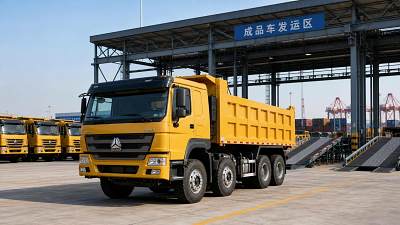
For example, a dump truck may need high pressure for lift-off and moderate flow for acceptable tipping time. A fuel or chemical transfer truck may prioritize stable flow and compatibility with operating duration. A crane support vehicle may face fluctuating pressure with repeated holds and starts.
This is why pump evaluation should start from the duty profile of the vehicle, then move backward to hydraulic demand, not the other way around.
Application patterns across road transport equipment
Different truck categories create different selection priorities. Understanding the use pattern helps narrow the right truck pump configuration much faster.
Intermittent high-load applications
Tipper trucks and hook loaders often require high peak pressure for short periods. In these systems, pump robustness, startup behavior, and pressure stability are more important than maximum continuous flow.
Continuous or repeated cycling applications
Refuse trucks, mixers, and municipal service vehicles place more emphasis on temperature management and sustained efficiency. Here, a truck pump must tolerate repeated cycling without accelerated wear.
Precision transfer or auxiliary power tasks
Tank trucks and specialized service units may need predictable flow and stable control rather than brute force. Noise level, pulsation characteristics, and compatibility with control valves become more relevant.
In cross-border sourcing, these distinctions matter because products that share a similar description may target very different operating patterns. Good listings and supplier documentation should make those differences visible.
What to examine beyond the headline rating
A reliable truck pump evaluation usually goes deeper than rated displacement and maximum pressure. Several supporting checks can prevent expensive mismatch.
- Confirm operating speed range and PTO compatibility, not just nominal rpm.
- Review continuous pressure limits separately from intermittent peaks.
- Check case drain, mounting standard, shaft type, and port orientation.
- Assess oil viscosity window, filtration requirement, and thermal sensitivity.
- Look for test data, endurance records, and field references in similar vehicles.
It is also worth examining how the pump behaves under partial load and during repeated start-stop cycles. Some failures do not come from overload. They come from poor lubrication at startup, cavitation, or heat buildup during normal use.
That practical layer is where supplier transparency matters. A digital B2B platform serving the global heavy truck industry can help by centralizing product data, brand information, application references, and supplier comparisons in one place.
Common selection mistakes and how to avoid them
Some mistakes appear repeatedly in truck pump sourcing and system design. They are rarely dramatic at first, but they tend to surface as slow cycles, overheating, noise, or shortened service intervals.
- Using maximum system pressure as the normal operating basis.
- Sizing flow for best-case speed targets without checking return losses.
- Ignoring ambient temperature, oil condition, and route variability.
- Assuming all truck pump models with similar displacement behave alike.
- Comparing price before confirming duty cycle suitability.
Avoiding these issues usually starts with a better application sheet. Duty hours per day, load pattern, actuator size, expected cycle time, peak events, and installation constraints should all be documented before shortlisting pump options.
A practical way to narrow the right option
A useful decision process is to define the real hydraulic task first. Then verify the truck pump against system limits, operating rhythm, and supplier evidence.
Start with the required output at the actuator. Translate that into system flow and working pressure. After that, map the duty cycle over a typical day rather than a single operation.
Next, compare pump types, mounting options, and efficiency characteristics against the truck layout. Review whether the system allows room for cooling, filtration, and maintenance access.
Finally, verify the supplier side. For internationally sourced components, consistency in technical documentation, response quality, and after-sales support is often as important as the initial specification match.
When evaluating across multiple markets, platforms focused on commercial vehicles and heavy equipment can shorten this process. They help connect specification review with broader market insight, supplier discovery, and product comparison.
Turning specification data into a better decision
The best truck pump choice usually comes from disciplined matching, not from choosing the highest rating. Flow sets speed, pressure provides force, and duty cycle reveals whether the pump can survive the real job.
For road transport equipment, that balance affects uptime, maintenance cost, and operational predictability. A clearer comparison framework also makes supplier discussions more productive, especially when reviewing options across global sources.
The next step is straightforward: define the vehicle duty profile, list the non-negotiable hydraulic requirements, and compare truck pump candidates against real operating conditions rather than catalog headlines alone.
Trending News
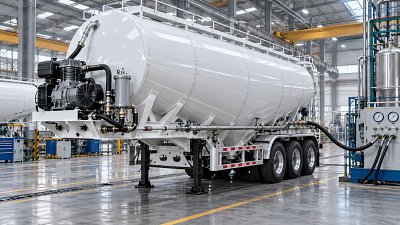
- How to assess a truck cement manufacturer’s build quality before ordering
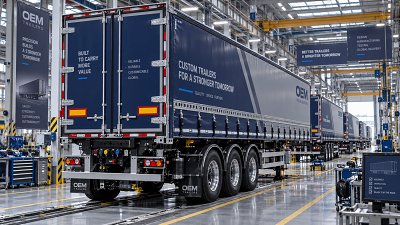
- When does a truck trailer OEM make sense for private-label fleets?
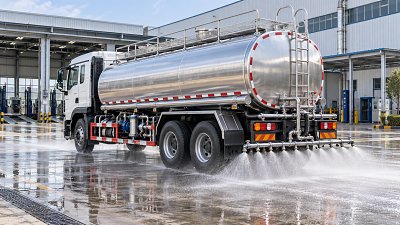
- What to verify before choosing a water truck OEM for your fleet
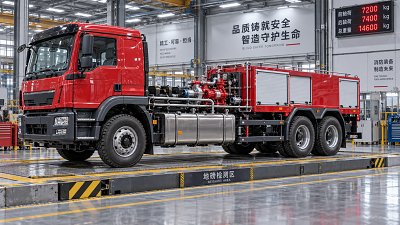
- How to size a cab chassis truck for a fire department apparatus
- When does a truck off road setup need locking differentials?
Tag
Recommended News
 Buying GuideHow to assess a truck cement manufacturer’s build quality before orderingTruck cement manufacturer build quality: assess tank steel, welding, chassis integration, pneumatic systems, factory QC, and inspection evidence before ordering.
 Buying GuideWhen does a truck trailer OEM make sense for private-label fleets?Truck trailer OEM programs help private-label fleets cut lifecycle costs, standardize operations, and improve uptime. Learn when customization delivers real commercial value.
 Buying GuideWhat to verify before choosing a water truck OEM for your fleetWater truck OEM selection guide: verify chassis compatibility, tank quality, pump performance, compliance, and service support to build a safer, more reliable fleet.
 Buying GuideHow to size a cab chassis truck for a fire department apparatusCab chassis truck for fire department sizing guide: balance GVWR, axle loads, wheelbase, water tank placement, and mission needs for safer apparatus design.
 Buying GuideWhat to verify before choosing a truck chassis supplierChoose the right truck chassis supplier with a practical checklist for application fit, axle ratings, body integration, quality control, delivery reliability, and after-sales support.
 Buying GuideHow to choose a logging truck for steep and rough forest roadsLogging truck selection for steep, rough forest roads: compare traction, braking, gearing, chassis strength, tires, and supplier support for safer, more reliable hauling.
 Buying GuideHow to choose a flatbed trailer deck length for oversized loadsFlatbed trailer deck length guide for oversized loads: balance cargo support, axle weight, securement space, overhang, and route access for safer transport.
 Buying GuideHow to assess a truck chassis supplier for trailer manufacturingTruck chassis supplier for trailer manufacturing: learn how to assess technical fit, quality control, engineering support, and delivery reliability for smarter sourcing.
 Buying GuideIs the SHACMAN H3000 6×4 Cement Mixer suitable for large projects?SHACMAN H3000 6×4 Cement Mixer: assess payload, cycle time, traction, and service support to see if it can keep large concrete projects moving efficiently.
 Buying GuideHow to evaluate heavy duty trucks for sale in Russia before buyingHeavy duty trucks for sale in Russia: learn how to compare specifications, winter readiness, service support, supplier reliability, and total ownership costs before buying.
 Buying GuideWhat to verify before choosing a logging truck producerChoose a logging truck producer with confidence: verify chassis strength, load security, compliance, service support, and delivery control for demanding forestry routes.
 Buying GuideHow to choose a truck excavator for confined construction sitesTruck excavator selection for confined sites: explore access, reach, stability, attachments, and safety factors to choose a productive, space-efficient solution.
 Buying GuideHow to choose a bulk trailer for high-volume aggregate haulingBulk trailer selection guide for high-volume aggregate hauling—optimize payload, body type, safety, compliance, and total cost for reliable fleet performance.
 Buying GuideHow to compare truck tire rolling resistance for lower fleet fuel costsTruck tire rolling resistance explained: compare test data, tread design, maintenance, and total cost to cut fleet fuel costs with confidence.
 Buying GuideHow to evaluate quality control before choosing a truck trailer OEMTruck trailer OEM quality control: learn how to assess design validation, welding, material traceability, testing, compliance, and factory audits before you buy.
 Buying GuideHow to verify a dump truck supplier can meet your delivery deadlineDump truck supplier with quick delivery: learn how to verify stock, production capacity, quality control, and export logistics to keep your project on schedule.
 Buying GuideHow to size a bulldozer for mining operations by haul road gradeBULLDOZER for mining operations sizing guide: match haul road grade, traction, blade capacity, and stability to improve safety, productivity, and fuel efficiency.
 Buying GuideHow to evaluate a construction machinery manufacturer’s quality controlConstruction machinery manufacturer quality control: learn how to assess materials, welding, hydraulics, testing, and after-sales support before you buy.
 Buying GuideHow to verify an excavator manufacturer with CE certificationExcavator manufacturer with CE certification: learn how to verify documents, model traceability, and factory compliance to avoid sourcing risks and buy with confidence.
 Buying GuideHow to evaluate a crane truck exporter before placing a bulk orderCrane truck exporter evaluation made simple: learn how to verify compliance, production capacity, delivery reliability, and after-sales support before placing a bulk order.
 Buying GuideWhen does a refrigerator truck make more sense than insulated transportRefrigerator truck or insulated transport? Learn when a refrigerator truck delivers better temperature control, lower spoilage risk, and smarter cold chain ROI.
 Buying GuideWhen does a tractor truck make more sense than a rigid truck?Tractor truck or rigid truck? Learn when a tractor truck delivers better flexibility, payload efficiency, and long-haul value for growing freight operations.
 Buying GuideHow to choose the right BULLDOZER for land clearing on rough terrainBULLDOZER for land clearing on rough terrain: learn how to choose the right size, tracks, blade, and support setup to improve safety, productivity, and total project value.
 Buying GuideHow to evaluate a semi trailer distributor before placing a bulk orderSemi trailer distributor selection can make or break a bulk order. Learn how to assess technical support, quality control, documentation, delivery reliability, and after-sales service before you buy.
 Buying GuideHow to compare an excavator manufacturer for construction on uptime supportExcavator manufacturer for construction comparison starts with uptime support. Learn how to assess service response, parts availability, training, and escalation to reduce downtime risk.