How to Choose a Bulldozer for Construction Site Conditions
How to Choose a Bulldozer for Construction Site Conditions
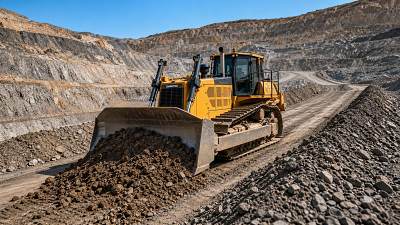
Choosing the right bulldozer for construction site conditions directly affects productivity, fuel efficiency, and project timelines.
A machine that fits the site will move material faster, reduce wear, and lower idle costs.
A poor match can create delays, traction problems, and higher maintenance bills.
That is why bulldozer selection should start with site conditions, not just purchase price.
When evaluating a bulldozer for construction, focus on terrain, soil type, material volume, blade style, undercarriage, and operating hours.
This practical guide explains how to compare options and make a smarter equipment decision.
Start With the Real Site Environment
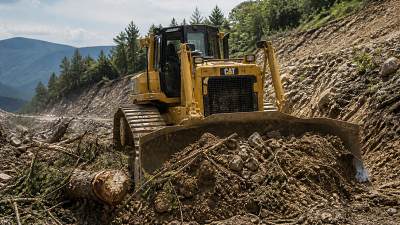
Every bulldozer for construction performs differently depending on the ground below it.
Flat, dry soil is far easier than wet clay, rock-filled ground, or steep grades.
Before comparing models, map the jobsite in simple operating zones.
- Soft ground or mud
- Hard-packed soil
- Rocky or abrasive areas
- Slopes and uneven surfaces
- Tight urban or municipal work zones
This first step often reveals whether you need a lighter, more agile machine or a heavier dozer with stronger pushing power.
In real projects, site conditions can change by season, especially during rain or frost periods.
That also means the best bulldozer for construction should match peak difficulty, not ideal weather.
Match Machine Size to Workload
Size is one of the most important factors in bulldozer selection.
A small bulldozer for construction is easier to transport and works well in narrow access areas.
A large unit handles bulk earthmoving, land clearing, and long pushing distances more efficiently.
The right choice depends on production targets, not just engine horsepower.
General Size Guide
- Small dozers suit grading, backfilling, and confined sites.
- Medium dozers fit mixed civil works and utility trench support.
- Large dozers suit quarry work, mining support, and heavy stripping.
If the machine is oversized, fuel burn and transport costs rise quickly.
If it is undersized, cycle time increases and deadlines become harder to protect.
A smart bulldozer for construction balances production capacity with site constraints.
Choose the Right Blade for Material Type
Blade configuration changes how a bulldozer for construction handles material.
This decision matters more than many buyers expect.
The wrong blade can waste power, spill material, and reduce control.
Common Blade Options
- S-blade works well for stripping, rough grading, and hard pushing.
- U-blade suits larger loads and longer pushes on loose material.
- SU-blade offers a balanced option for mixed construction applications.
- Angle blades help with side casting and lighter finish work.
For sand, topsoil, or loose fill, higher-capacity blades usually improve output.
For compacted soil or demolition debris, stronger penetration and control become more important.
When comparing a bulldozer for construction, always ask how the blade matches the dominant material on site.
Undercarriage and Tracks Matter More Than Many Buyers Think
The undercarriage often drives long-term operating cost.
For a bulldozer for construction, track choice affects flotation, traction, and component wear.
That is especially true on muddy sites, rocky surfaces, and high-abrasion ground.
Key Considerations
- Wide tracks improve flotation on soft ground.
- Narrower tracks may perform better on firmer surfaces.
- Heavy-duty undercarriages resist wear in rock and harsh conditions.
- Track maintenance access affects downtime and service speed.
A cheaper machine can become expensive if undercarriage wear arrives earlier than expected.
In practical terms, site abrasion level should influence buying or rental decisions from the start.
Consider Slope, Visibility, and Control Features
Not every bulldozer for construction is equally safe or efficient on complex terrain.
Steep or uneven sites demand stable balance, responsive steering, and strong operator visibility.
Modern control features can also improve grading accuracy and reduce rework.
- Low-effort controls reduce operator fatigue.
- Rear and side visibility improve safety in crowded jobsites.
- Grade control systems help maintain design levels.
- Stable center of gravity supports work on slopes.
These features may raise initial cost, but they often save money through better accuracy and lower incident risk.
For long-duration work, operator comfort also matters more than it first appears.
Compare Fuel Use, Service Support, and Total Ownership Cost
Buying a bulldozer for construction is not only about upfront price.
A lower quote can hide higher fuel consumption, weak parts support, or slow maintenance response.
That is why total cost of ownership should guide the final decision.
What to Compare
In many cases, the best bulldozer for construction is the one with the strongest lifecycle economics.
This is even more important for fleets managing several sites at once.
Decide Whether to Buy or Rent
The right bulldozer for construction may be a purchase for one project and a rental for another.
The decision depends on utilization, project duration, and capital planning.
- Buy when the machine will be used frequently across multiple jobs.
- Rent when site demands are temporary or highly specialized.
- Lease when cash flow control matters more than ownership.
Rental also helps test actual machine fit before making a larger equipment commitment.
If site conditions are uncertain, this can reduce selection risk.
A Practical Checklist for Bulldozer Selection
A simple checklist keeps bulldozer for construction decisions grounded in field reality.
- Define the main site condition and worst working season.
- Estimate daily material volume and pushing distance.
- Match machine size to access limits and production goals.
- Select blade type based on soil, debris, or loose fill.
- Check undercarriage suitability for mud, slope, or rock.
- Review operator visibility, comfort, and grade control needs.
- Compare fuel use, service coverage, and spare parts access.
- Calculate total ownership or rental cost over the project timeline.
This process is straightforward, but it prevents expensive mistakes.
It also makes supplier discussions more focused and productive.
Final Thoughts
Choosing a bulldozer for construction should always begin with jobsite reality.
Terrain, material type, blade design, machine size, and ownership cost all shape performance.
When those factors align, productivity improves and operating risk drops.
If you are comparing global suppliers, a trusted B2B sourcing platform can make evaluation easier.
It helps you review product ranges, compare support capabilities, and identify a bulldozer for construction that fits both site demands and long-term business goals.
Trending News
- How to assess a truck cement manufacturer’s build quality before ordering
- When does a truck trailer OEM make sense for private-label fleets?
- What to verify before choosing a water truck OEM for your fleet
- How to size a cab chassis truck for a fire department apparatus
- When does a truck off road setup need locking differentials?
Tag
Recommended News
 Buying GuideHow to assess a truck cement manufacturer’s build quality before orderingTruck cement manufacturer build quality: assess tank steel, welding, chassis integration, pneumatic systems, factory QC, and inspection evidence before ordering.
 Buying GuideWhen does a truck trailer OEM make sense for private-label fleets?Truck trailer OEM programs help private-label fleets cut lifecycle costs, standardize operations, and improve uptime. Learn when customization delivers real commercial value.
 Buying GuideWhat to verify before choosing a water truck OEM for your fleetWater truck OEM selection guide: verify chassis compatibility, tank quality, pump performance, compliance, and service support to build a safer, more reliable fleet.
 Buying GuideHow to size a cab chassis truck for a fire department apparatusCab chassis truck for fire department sizing guide: balance GVWR, axle loads, wheelbase, water tank placement, and mission needs for safer apparatus design.
 Buying GuideWhat to verify before choosing a truck chassis supplierChoose the right truck chassis supplier with a practical checklist for application fit, axle ratings, body integration, quality control, delivery reliability, and after-sales support.
 Buying GuideHow to choose a logging truck for steep and rough forest roadsLogging truck selection for steep, rough forest roads: compare traction, braking, gearing, chassis strength, tires, and supplier support for safer, more reliable hauling.
 Buying GuideHow to choose a flatbed trailer deck length for oversized loadsFlatbed trailer deck length guide for oversized loads: balance cargo support, axle weight, securement space, overhang, and route access for safer transport.
 Buying GuideHow to assess a truck chassis supplier for trailer manufacturingTruck chassis supplier for trailer manufacturing: learn how to assess technical fit, quality control, engineering support, and delivery reliability for smarter sourcing.
 Buying GuideIs the SHACMAN H3000 6×4 Cement Mixer suitable for large projects?SHACMAN H3000 6×4 Cement Mixer: assess payload, cycle time, traction, and service support to see if it can keep large concrete projects moving efficiently.
 Buying GuideHow to evaluate heavy duty trucks for sale in Russia before buyingHeavy duty trucks for sale in Russia: learn how to compare specifications, winter readiness, service support, supplier reliability, and total ownership costs before buying.
 Buying GuideWhat to verify before choosing a logging truck producerChoose a logging truck producer with confidence: verify chassis strength, load security, compliance, service support, and delivery control for demanding forestry routes.
 Buying GuideHow to choose a truck excavator for confined construction sitesTruck excavator selection for confined sites: explore access, reach, stability, attachments, and safety factors to choose a productive, space-efficient solution.
 Buying GuideHow to choose a bulk trailer for high-volume aggregate haulingBulk trailer selection guide for high-volume aggregate hauling—optimize payload, body type, safety, compliance, and total cost for reliable fleet performance.
 Buying GuideHow to compare truck tire rolling resistance for lower fleet fuel costsTruck tire rolling resistance explained: compare test data, tread design, maintenance, and total cost to cut fleet fuel costs with confidence.
 Buying GuideHow to evaluate quality control before choosing a truck trailer OEMTruck trailer OEM quality control: learn how to assess design validation, welding, material traceability, testing, compliance, and factory audits before you buy.
 Buying GuideHow to verify a dump truck supplier can meet your delivery deadlineDump truck supplier with quick delivery: learn how to verify stock, production capacity, quality control, and export logistics to keep your project on schedule.
 Buying GuideHow to size a bulldozer for mining operations by haul road gradeBULLDOZER for mining operations sizing guide: match haul road grade, traction, blade capacity, and stability to improve safety, productivity, and fuel efficiency.
 Buying GuideHow to evaluate a construction machinery manufacturer’s quality controlConstruction machinery manufacturer quality control: learn how to assess materials, welding, hydraulics, testing, and after-sales support before you buy.
 Buying GuideHow to verify an excavator manufacturer with CE certificationExcavator manufacturer with CE certification: learn how to verify documents, model traceability, and factory compliance to avoid sourcing risks and buy with confidence.
 Buying GuideHow to evaluate a crane truck exporter before placing a bulk orderCrane truck exporter evaluation made simple: learn how to verify compliance, production capacity, delivery reliability, and after-sales support before placing a bulk order.
 Buying GuideWhen does a refrigerator truck make more sense than insulated transportRefrigerator truck or insulated transport? Learn when a refrigerator truck delivers better temperature control, lower spoilage risk, and smarter cold chain ROI.
 Buying GuideWhen does a tractor truck make more sense than a rigid truck?Tractor truck or rigid truck? Learn when a tractor truck delivers better flexibility, payload efficiency, and long-haul value for growing freight operations.
 Buying GuideHow to choose the right BULLDOZER for land clearing on rough terrainBULLDOZER for land clearing on rough terrain: learn how to choose the right size, tracks, blade, and support setup to improve safety, productivity, and total project value.
 Buying GuideHow to evaluate a semi trailer distributor before placing a bulk orderSemi trailer distributor selection can make or break a bulk order. Learn how to assess technical support, quality control, documentation, delivery reliability, and after-sales service before you buy.
 Buying GuideHow to compare an excavator manufacturer for construction on uptime supportExcavator manufacturer for construction comparison starts with uptime support. Learn how to assess service response, parts availability, training, and escalation to reduce downtime risk.