Why a Light Duty Truck Manufacturer in USA Still Matters for Fleet Reliability
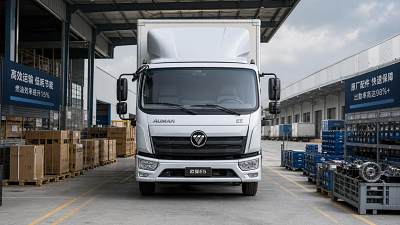
For fleet managers and procurement leaders, choosing the right light duty truck manufacturer in USA is still a strategic decision that directly affects uptime, service efficiency, and long-term operating costs. In a market shaped by fast logistics demands and rising performance expectations, reliable domestic manufacturing remains essential for consistent parts support, quality control, and dependable fleet operations.
Why does a light duty truck manufacturer in USA still matter in modern fleet strategy?
Many buyers now source vehicles and components globally, yet the role of a light duty truck manufacturer in USA remains highly relevant. For business decision-makers, the issue is not only where a truck is assembled. The more important question is how that manufacturing base influences parts availability, service response, technical consistency, and total fleet reliability over time.
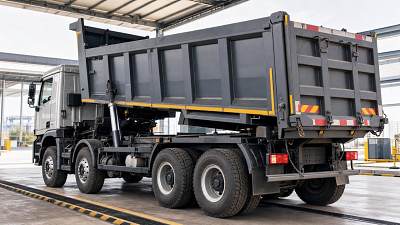
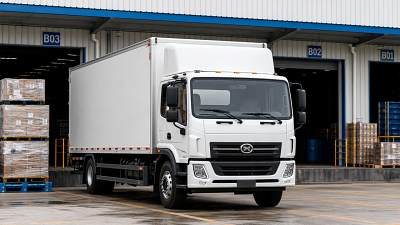
In land transportation equipment, light duty trucks often support last-mile delivery, municipal operations, regional distribution, utility service, and mixed urban-rural routes. These applications demand frequent starts, short dwell times, high route density, and predictable maintenance planning. A manufacturing ecosystem located in the United States can reduce delays in warranty processing, shorten replacement parts lead times, and support compliance with local fleet requirements.
This is especially important when procurement leaders must balance acquisition cost with lifecycle risk. A lower initial purchase price can be offset quickly if truck downtime increases, if service networks are fragmented, or if parts sourcing becomes uncertain during peak demand seasons.
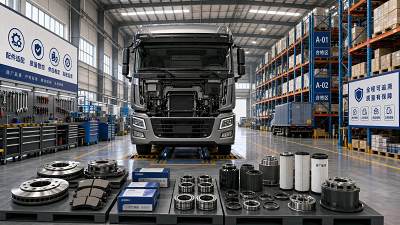
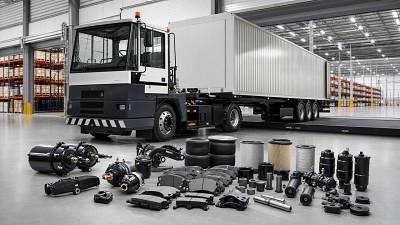
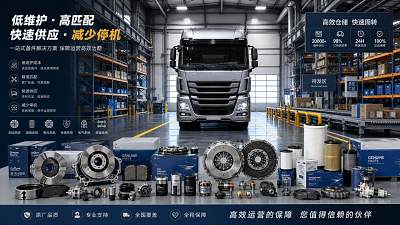
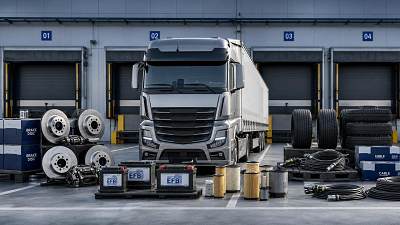
- Domestic supply chains can support more predictable access to common service parts such as brake components, filters, suspension items, lighting assemblies, and body-related replacements.
- Closer technical support can simplify fleet onboarding, maintenance training, and field issue escalation.
- Stronger manufacturing visibility helps buyers evaluate production capacity, quality systems, and after-sales commitment before signing long-term fleet contracts.
Reliability is not just a vehicle feature
Reliability in commercial fleets is a system outcome. It includes the truck platform, supplier discipline, spare parts flow, repair procedures, dealer coordination, and realistic uptime planning. A capable light duty truck manufacturer in USA contributes to that system by reducing uncertainty across each stage of operation.
What procurement teams should compare before selecting a supplier
When evaluating a light duty truck manufacturer in USA, procurement teams should avoid making decisions based only on brochure specifications. The better approach is to compare supply, support, serviceability, and commercial flexibility alongside basic vehicle performance. The table below outlines practical evaluation dimensions that matter in road transport equipment purchasing.
This comparison shows why the best supplier decision is usually operational, not merely transactional. A truck that is easy to service, easy to configure, and backed by stable support often creates better value than a unit with a lower quoted price but weaker delivery and support fundamentals.
Questions buyers should ask during evaluation
- How quickly can common service parts be shipped during peak operating periods?
- What body types and vocational configurations are already supported?
- How are warranty claims handled for multi-location fleets?
- What maintenance intervals are realistic under stop-and-go commercial use rather than ideal test conditions?
Which application scenarios benefit most from a domestic light truck supply base?
Not every fleet has the same risk profile. However, several application scenarios clearly benefit when a light duty truck manufacturer in USA can provide responsive support and configuration stability. This is particularly true when vehicles are central to service continuity rather than optional transport capacity.
The following table maps common use cases to operational priorities and supplier requirements.
For these scenarios, supply stability often matters as much as horsepower or nominal payload. If a truck stays idle because a simple part is unavailable or because upfit coordination failed, the fleet loses revenue, service quality, and customer confidence at the same time.
Scenario-based selection advice
- Choose payload and body length based on actual route density, not theoretical maximum loading.
- Prioritize service access if your trucks run fixed daily schedules with limited backup units.
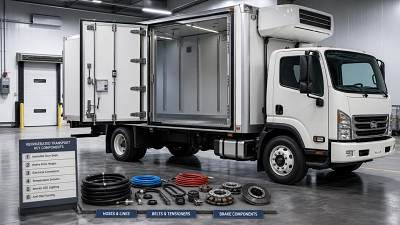
- Ask for compatibility guidance early if you need refrigerated bodies, service bodies, liftgates, or other vocational modifications.
How should decision-makers balance purchase cost, uptime, and lifecycle value?
A common procurement mistake is evaluating a light duty truck manufacturer in USA mainly by unit price. For commercial fleets, the more accurate financial measure is lifecycle value. That includes acquisition cost, fuel use, routine service cost, parts lead time, utilization rate, and residual operating impact when a vehicle is unavailable.
A truck with lower downtime can support more routes with fewer reserve units. That translates into stronger asset utilization and less pressure to maintain excess backup capacity. For decision-makers, this is where manufacturing and support discipline directly affect financial performance.
Cost areas that deserve closer attention
- Unplanned downtime cost, including missed deliveries, delayed service calls, and emergency rentals.
- Inventory carrying cost for spare parts if supplier support is weak or inconsistent.
- Administrative cost of managing fragmented service providers across regions.
- Upfit rework cost when chassis specifications and body integration are not aligned from the start.
Alternative sourcing is not always lower risk
Imported options may be suitable in some cases, especially when a buyer has strong in-house technical resources and flexible lead-time expectations. But for fleets operating under tight delivery windows, domestic sourcing from a capable light duty truck manufacturer in USA can reduce risk exposure in ways that are difficult to capture in a simple purchase-order comparison.
What technical and compliance factors should not be overlooked?
In road transport equipment procurement, technical suitability and compliance readiness are closely linked. Decision-makers should confirm not only the truck’s base capability, but also whether the supplier can support documentation, application matching
Trending News
- What documents are needed to export a low bed trailer to Southeast Asia?
- What to verify before choosing a delivery truck supplier for school transportation
- What an excavator manufacturer catalog should show before you compare models
- What to check before appointing a bulldozer distributor
- How to verify supplier reliability when sourcing bulldozers overseas
Tag
Recommended News
 Fleet ManagementHeavy Truck Specs That Matter Most for Long-Term Fleet PlanningHeavy truck specs that truly shape long-term fleet success: compare payload, torque, axle setup, fuel efficiency, and parts support to cut downtime and plan smarter.
 Fleet ManagementTruck Parts Supplier Risks That Affect Long-Term Fleet CostsTruck parts supplier risks can quietly increase long-term fleet costs through downtime, poor fitment, and supply delays. Learn how to choose smarter and protect uptime.
 Fleet ManagementSemi Trailer Distributor Red Flags That Can Delay Fleet ExpansionSemi trailer distributor warning signs can stall fleet expansion fast. Learn the key red flags in inventory, delivery, support, and compliance before you buy.
 Fleet ManagementLogistics Transportation Trends Reshaping Fleet Cost ControlLogistics transportation trends are redefining fleet cost control. Discover how data, sourcing, and equipment strategy help fleets cut risk, improve utilization, and stay competitive.
 Fleet ManagementOff Road Truck Safety Risks and Maintenance Checks Before DeploymentOff road truck safety starts before deployment. Learn key risks, maintenance checks, and inspection steps to reduce downtime, protect crews, and keep every jobsite moving.
 Fleet ManagementTruck Fleet Cost Control: 7 Metrics That Matter in 2026Truck fleet cost control in 2026 starts with 7 key metrics. Learn how fuel, uptime, utilization, downtime, and TCO reveal hidden costs and smarter sourcing decisions.
 Fleet ManagementHeavy Truck Fuel Efficiency: What Impacts Operating CostsHeavy truck fuel efficiency directly impacts operating costs. Learn how design, payload, maintenance, and driver behavior affect fuel use and smarter truck buying decisions.
 Fleet ManagementTruck Fleet Planning Tips for Lower DowntimeTruck fleet planning tips to cut downtime, improve uptime, optimize maintenance, manage spare parts, and build a more reliable, cost-efficient transport operation.
 Fleet ManagementTruck Tipper Safety Checks Before Daily OperationTruck tipper daily safety checks made simple: inspect hydraulics, brakes, tires, lights, loads, and tipping stability to reduce downtime and operate with confidence.
 Fleet ManagementDump Truck Supplier Risks in Mining ProjectsFind out how to choose a reliable dump truck supplier for mining industry projects, reduce sourcing risks, secure parts support, and improve uptime in harsh mining operations.
 Fleet ManagementBest Commercial Vehicle Parts for Warehouse Fleets with High Stop-Start UseCommercial vehicle parts for warehouse fleets should handle heavy stop-start use with fewer failures. Discover proven brake, battery, suspension, and steering choices that cut downtime.
 Fleet ManagementDelivery Truck Supplier in USA: What Matters Most for Fleet ExpansionDelivery truck supplier in USA selection impacts uptime, cost, and fleet growth. Learn how to compare suppliers by route needs, service support, and long-term scalability.
 Fleet ManagementHow to Choose Commercial Vehicle Parts for Warehouse Fleet UptimeCommercial vehicle parts for warehouse fleets directly impact uptime. Learn how to choose durable, accurate-fit parts and reliable suppliers to reduce downtime and control maintenance costs.
 Fleet ManagementWhy a Light Duty Truck Manufacturer in USA Still Matters for Fleet ReliabilityLight duty truck manufacturer in USA choices still shape fleet uptime, parts access, and lifecycle value. See what buyers should compare for more reliable operations.
 Fleet ManagementHow to Plan a Dump Truck Bulk Order for Multi-Site ProjectsDump truck bulk order planning for multi-site projects made simple. Learn how to balance specs, delivery, support, and total cost for smarter fleet decisions.
 Fleet ManagementWhat Makes a Delivery Truck Supplier Cost-Effective in Real OperationsDelivery truck supplier with cost-effective solutions: learn how to cut fuel, maintenance, and downtime costs with a practical checklist for smarter fleet purchasing.
 Fleet ManagementHow Low-Maintenance Truck Spare Parts Suppliers Help Cut DowntimeTruck spare parts supplier with low maintenance benefits help fleets cut downtime, speed repairs, and lower service costs. Discover how smarter sourcing boosts uptime.
 Fleet ManagementHow Commercial Vehicle Parts for Warehouse Improve Daily UptimeCommercial vehicle parts for warehouse operations help reduce downtime, improve safety, and keep trucks and trailers moving efficiently. Discover how the right parts boost daily uptime.
 Fleet ManagementCommercial Vehicle Parts for Cold Storage: Reducing Failure in Daily UseCommercial vehicle parts for cold storage help reduce daily failures, protect cargo quality, and improve fleet uptime. Discover scenario-based maintenance insights for refrigerated transport.
 Fleet ManagementDelivery Truck Supplier in USA: What to Compare Before Expanding a FleetDelivery truck supplier in USA comparison guide for fleet expansion. Learn how to evaluate quality, service, parts support, and lifecycle cost before you invest.
 Fleet ManagementBest Commercial Vehicle Parts for Warehouse OperationsCommercial vehicle parts for warehouse operations should boost safety, uptime, and load control. Explore the best brake, tire, steering, and lighting solutions for efficient fleet performance.
 Fleet ManagementTruck Cement Mixer Supplier: What to Check Before Fleet ExpansionTruck cement mixer supplier selection can make or break fleet expansion. Learn the key checks on quality, compliance, parts support, and total cost before you buy.
 Fleet ManagementTruck Trailer Supplier Checklist for Long-Haul Fleet ExpansionTruck trailer supplier checklist for long-haul fleet expansion: compare compliance, lifecycle cost, delivery, and support to reduce sourcing risk and scale with confidence.
 Fleet ManagementIs a Lightweight Semi Trailer Manufacturer the Right Fit for High-Frequency RoutesFind out if a semi trailer manufacturer with lightweight design is the smart choice for high-frequency routes, balancing payload, durability, compliance, and long-term fleet savings.
 Fleet ManagementDump Truck Wholesale for Growing Fleets: What to Watch FirstDump truck wholesale buyers: learn what to check first for growing fleets, from specs and compliance to supplier reliability, to cut risk, control costs, and buy with confidence.