What Makes a Delivery Truck Supplier Cost-Effective in Real Operations
Choosing a delivery truck supplier with cost-effective solutions is not just about getting a lower purchase price—it is about reducing total operating costs across fuel use, maintenance, uptime, and parts support. For business decision-makers, understanding what truly drives cost-effectiveness in real operations is essential to improving fleet performance, controlling risk, and securing long-term value.
Why a checklist-based evaluation works better than a price-only comparison
In road transport equipment procurement, many buyers initially compare quotations and assume the lowest upfront offer delivers the best value. In practice, that approach often leads to higher lifecycle costs. A delivery truck supplier with cost-effective solutions should be evaluated through a structured checklist because operating results depend on multiple linked variables: payload efficiency, fuel economy, maintenance intervals, spare parts availability, driver usability, technical support, resale value, and downtime risk.
For enterprise decision-makers, a checklist creates discipline. It helps procurement teams compare suppliers using consistent standards, prevents important technical details from being overlooked, and links purchasing decisions to operational KPIs. This is especially important when fleets serve logistics transport, municipal delivery, regional distribution, or construction-related material movement, where every hour of uptime affects profitability.
The first five points to confirm before shortlisting any supplier
Before requesting detailed proposals, buyers should confirm a small group of high-impact issues. These points quickly show whether a supplier can support real operations rather than just complete a transaction.
- Vehicle-duty match: Confirm whether the truck is designed for urban delivery, regional line-haul, cold-chain distribution, mixed road conditions, or stop-and-go routes. A low-cost model that does not fit the duty cycle becomes expensive fast.
- Total cost of ownership visibility: Ask for data on fuel consumption, service intervals, wear parts cost, warranty scope, and expected maintenance needs over three to five years.
- Parts and service coverage: Check whether fast-moving parts are available locally or regionally and what average response time the supplier can commit to.
- Reliability evidence: Request operating case studies, fleet references, and failure-rate feedback from similar applications.
- Commercial flexibility: Evaluate financing options, lead time stability, after-sales commitments, and willingness to support fleet expansion.
Core checklist: how to identify a delivery truck supplier with cost-effective solutions
1. Purchase price must be connected to lifecycle economics
A competitive purchase price matters, but only when it aligns with real operating economics. Buyers should compare not only unit price but also expected fuel spend, maintenance budget, tire wear, insurance implications, and residual value. A delivery truck supplier with cost-effective solutions should be able to provide structured cost scenarios instead of general sales claims.
Good suppliers also explain which specifications reduce cost over time, such as optimized engine-transmission matching, lightweight body structures, aerodynamic improvements, and telematics-based maintenance planning. If a supplier cannot quantify savings, cost-effectiveness is probably unproven.
2. Fuel efficiency should be validated under actual route conditions
Fuel is often one of the largest operating expenses in delivery fleets. However, published fuel figures alone are not enough. Decision-makers should ask how the vehicle performs under actual payload, traffic, road gradient, idle time, and driver behavior conditions. A supplier that understands cost-effective operations will discuss route-specific efficiency rather than relying on laboratory-style numbers.
It is also wise to compare engine displacement, torque band, transmission calibration, and axle ratio. The right technical combination can lower fuel use without sacrificing delivery speed or cargo capacity.
3. Uptime support is often more valuable than a discount
A truck parked for repair is not cost-effective, regardless of the original deal price. This is why uptime support should be a central evaluation factor. Buyers should review service network reach, mobile service capability, diagnostic tools, remote troubleshooting, and escalation processes for urgent repairs.
The best delivery truck supplier with cost-effective solutions will define service KPIs clearly: response time, first-time fix rate, spare parts fill rate, and technical hotline access. These indicators have direct impact on fleet utilization and customer service consistency.
4. Spare parts economics need deeper review
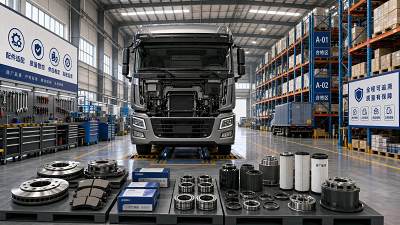
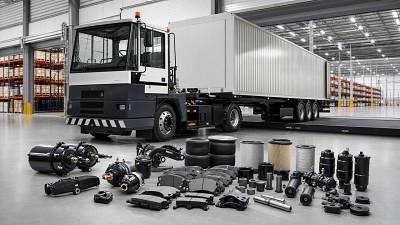
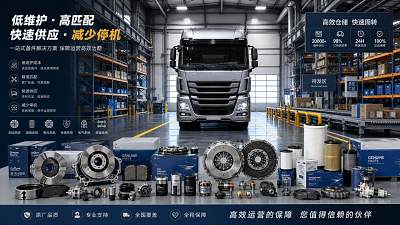
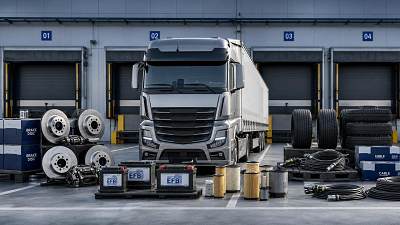
Some trucks look affordable until replacement parts and consumables start driving up operating cost. Buyers should request a parts basket comparison covering filters, brake components, clutch parts, suspension items, electrical components, and body-related repair items. This comparison should include both price and availability.
Standardized components, strong dealer stocking practices, and cross-border parts support are all positive signs. For international buyers sourcing through a global B2B marketplace, supplier transparency on parts sourcing and replenishment timelines can significantly reduce long-term risk.
5. Vehicle durability must match operating intensity
Cost-effectiveness depends on how long the truck performs reliably in its intended environment. Urban delivery fleets may face frequent starts, short trips, tight turning, and repeated door usage. Regional fleets may face longer mileage accumulation and heavier average payloads. Construction-support delivery operations may expose trucks to dust, rough roads, and uneven loading conditions.
A reliable supplier should explain chassis strength, suspension suitability, body durability, cooling performance, corrosion protection, and electrical system resilience. These are not minor technical details; they are cost drivers in daily operation.
6. Driver usability affects productivity and repair rates
Cab ergonomics, visibility, control layout, ingress and egress convenience, and digital instrument clarity all influence route performance. A truck that reduces driver fatigue can improve delivery consistency, lower mishandling risk, and support retention in competitive labor markets.
This is another mark of a delivery truck supplier with cost-effective solutions: the supplier recognizes that human factors affect fuel use, safety, and maintenance outcomes. Better drivers usually produce better operating economics when the vehicle is easier to use correctly.
A practical supplier evaluation table for business buyers
The following comparison structure can help procurement teams assess suppliers consistently and move internal discussions from opinion to evidence.
What to check in different operating scenarios
Urban last-mile and municipal delivery
Prioritize maneuverability, compact dimensions, stop-and-go fuel performance, easy cab access, and brake durability. Frequent route interruptions make uptime and service convenience especially important. In these environments, a delivery truck supplier with cost-effective solutions should also offer telematics and maintenance scheduling support.
Regional distribution and intercity transport
Look more closely at cruising fuel efficiency, powertrain matching, seat comfort, noise control, and long-interval maintenance. Fleet managers should also compare parts support across multiple service points because vehicles may operate far from a home base.
Cold-chain or specialized cargo applications
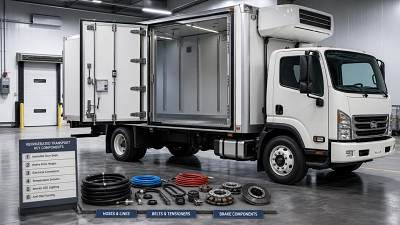
Check compatibility with refrigeration units, power supply requirements, body insulation quality, and weight distribution. Here, supplier experience with integrated body solutions is critical because poor system integration can raise both fuel use and maintenance frequency.
Commonly overlooked factors that make a “cheap” supplier expensive
- Incomplete warranty interpretation: Buyers sometimes assume all major components are covered equally, but exclusions can be costly.
- Slow documentation and export coordination: Delays in homologation papers, shipping preparation, or customs support can disrupt project timelines.
- Poor body-builder coordination: If chassis and body specifications are not aligned, the result may be overload, instability, or premature wear.
- No fleet data support: Suppliers that cannot support telematics, maintenance history, or operating data analysis make cost control harder.
- Weak residual value: Low market recognition or poor parts access can reduce resale value and increase replacement-cycle cost.
Execution advice: how to run a smarter supplier selection process
To identify a delivery truck supplier with cost-effective solutions, enterprises should organize the decision process in stages. First, define operating scenarios clearly: mileage, average payload, route type, climate, maintenance capability, and replacement cycle. Second, request standardized commercial and technical data from each supplier so proposals can be compared on equal terms. Third, evaluate not only product specification but also after-sales execution ability.
Whenever possible, include pilot testing or reference validation. Even a limited trial can reveal fuel behavior, driver feedback, service response quality, and maintenance patterns that are difficult to see in a brochure. Buyers using a professional global heavy truck industry platform gain an advantage here because they can compare supplier profiles, product categories, and market information in one sourcing environment, improving both speed and confidence.
FAQ for decision-makers evaluating cost-effective suppliers
Is the lowest purchase price ever the best option?
Only if the truck also delivers acceptable fuel economy, uptime, service support, and resale performance. In most commercial fleet environments, total cost of ownership matters more than entry price.
How many suppliers should be compared?
Three to five qualified suppliers is usually enough for a serious comparison. More options can create noise unless all proposals are standardized and matched to the same operating assumptions.
What documents should buyers request first?
Ask for technical specifications, warranty terms, recommended maintenance schedule, parts support plan, delivery timeline, reference cases, and a breakdown of operating cost assumptions.
Final decision checklist and next-step questions
The most reliable delivery truck supplier with cost-effective solutions is not simply the one offering the cheapest quote. It is the supplier that proves operational fit, supports uptime, controls lifecycle cost, and responds effectively after delivery. For business leaders, the best next step is to prepare a concise internal requirement sheet covering route profile, annual mileage, payload pattern, body type, service expectations, budget range, and planned fleet scale.
When engaging suppliers, prioritize questions about total operating cost, parts lead time, warranty scope, maintenance intervals, local support capability, and reference projects in similar applications. That approach will turn supplier selection from a price negotiation into a value-based procurement decision—one that strengthens fleet efficiency and long-term competitiveness in the commercial vehicle market.
Trending News
- What documents are needed to export a low bed trailer to Southeast Asia?
- What to verify before choosing a delivery truck supplier for school transportation
- What an excavator manufacturer catalog should show before you compare models
- What to check before appointing a bulldozer distributor
- How to verify supplier reliability when sourcing bulldozers overseas
Tag
Recommended News
 Fleet ManagementHeavy Truck Specs That Matter Most for Long-Term Fleet PlanningHeavy truck specs that truly shape long-term fleet success: compare payload, torque, axle setup, fuel efficiency, and parts support to cut downtime and plan smarter.
 Fleet ManagementTruck Parts Supplier Risks That Affect Long-Term Fleet CostsTruck parts supplier risks can quietly increase long-term fleet costs through downtime, poor fitment, and supply delays. Learn how to choose smarter and protect uptime.
 Fleet ManagementSemi Trailer Distributor Red Flags That Can Delay Fleet ExpansionSemi trailer distributor warning signs can stall fleet expansion fast. Learn the key red flags in inventory, delivery, support, and compliance before you buy.
 Fleet ManagementLogistics Transportation Trends Reshaping Fleet Cost ControlLogistics transportation trends are redefining fleet cost control. Discover how data, sourcing, and equipment strategy help fleets cut risk, improve utilization, and stay competitive.
 Fleet ManagementOff Road Truck Safety Risks and Maintenance Checks Before DeploymentOff road truck safety starts before deployment. Learn key risks, maintenance checks, and inspection steps to reduce downtime, protect crews, and keep every jobsite moving.
 Fleet ManagementTruck Fleet Cost Control: 7 Metrics That Matter in 2026Truck fleet cost control in 2026 starts with 7 key metrics. Learn how fuel, uptime, utilization, downtime, and TCO reveal hidden costs and smarter sourcing decisions.
 Fleet ManagementHeavy Truck Fuel Efficiency: What Impacts Operating CostsHeavy truck fuel efficiency directly impacts operating costs. Learn how design, payload, maintenance, and driver behavior affect fuel use and smarter truck buying decisions.
 Fleet ManagementTruck Fleet Planning Tips for Lower DowntimeTruck fleet planning tips to cut downtime, improve uptime, optimize maintenance, manage spare parts, and build a more reliable, cost-efficient transport operation.
 Fleet ManagementTruck Tipper Safety Checks Before Daily OperationTruck tipper daily safety checks made simple: inspect hydraulics, brakes, tires, lights, loads, and tipping stability to reduce downtime and operate with confidence.
 Fleet ManagementDump Truck Supplier Risks in Mining ProjectsFind out how to choose a reliable dump truck supplier for mining industry projects, reduce sourcing risks, secure parts support, and improve uptime in harsh mining operations.
 Fleet ManagementBest Commercial Vehicle Parts for Warehouse Fleets with High Stop-Start UseCommercial vehicle parts for warehouse fleets should handle heavy stop-start use with fewer failures. Discover proven brake, battery, suspension, and steering choices that cut downtime.
 Fleet ManagementDelivery Truck Supplier in USA: What Matters Most for Fleet ExpansionDelivery truck supplier in USA selection impacts uptime, cost, and fleet growth. Learn how to compare suppliers by route needs, service support, and long-term scalability.
 Fleet ManagementHow to Choose Commercial Vehicle Parts for Warehouse Fleet UptimeCommercial vehicle parts for warehouse fleets directly impact uptime. Learn how to choose durable, accurate-fit parts and reliable suppliers to reduce downtime and control maintenance costs.
 Fleet ManagementWhy a Light Duty Truck Manufacturer in USA Still Matters for Fleet ReliabilityLight duty truck manufacturer in USA choices still shape fleet uptime, parts access, and lifecycle value. See what buyers should compare for more reliable operations.
 Fleet ManagementHow to Plan a Dump Truck Bulk Order for Multi-Site ProjectsDump truck bulk order planning for multi-site projects made simple. Learn how to balance specs, delivery, support, and total cost for smarter fleet decisions.
 Fleet ManagementWhat Makes a Delivery Truck Supplier Cost-Effective in Real OperationsDelivery truck supplier with cost-effective solutions: learn how to cut fuel, maintenance, and downtime costs with a practical checklist for smarter fleet purchasing.
 Fleet ManagementHow Low-Maintenance Truck Spare Parts Suppliers Help Cut DowntimeTruck spare parts supplier with low maintenance benefits help fleets cut downtime, speed repairs, and lower service costs. Discover how smarter sourcing boosts uptime.
 Fleet ManagementHow Commercial Vehicle Parts for Warehouse Improve Daily UptimeCommercial vehicle parts for warehouse operations help reduce downtime, improve safety, and keep trucks and trailers moving efficiently. Discover how the right parts boost daily uptime.
 Fleet ManagementCommercial Vehicle Parts for Cold Storage: Reducing Failure in Daily UseCommercial vehicle parts for cold storage help reduce daily failures, protect cargo quality, and improve fleet uptime. Discover scenario-based maintenance insights for refrigerated transport.
 Fleet ManagementDelivery Truck Supplier in USA: What to Compare Before Expanding a FleetDelivery truck supplier in USA comparison guide for fleet expansion. Learn how to evaluate quality, service, parts support, and lifecycle cost before you invest.
 Fleet ManagementBest Commercial Vehicle Parts for Warehouse OperationsCommercial vehicle parts for warehouse operations should boost safety, uptime, and load control. Explore the best brake, tire, steering, and lighting solutions for efficient fleet performance.
 Fleet ManagementTruck Cement Mixer Supplier: What to Check Before Fleet ExpansionTruck cement mixer supplier selection can make or break fleet expansion. Learn the key checks on quality, compliance, parts support, and total cost before you buy.
 Fleet ManagementTruck Trailer Supplier Checklist for Long-Haul Fleet ExpansionTruck trailer supplier checklist for long-haul fleet expansion: compare compliance, lifecycle cost, delivery, and support to reduce sourcing risk and scale with confidence.
 Fleet ManagementIs a Lightweight Semi Trailer Manufacturer the Right Fit for High-Frequency RoutesFind out if a semi trailer manufacturer with lightweight design is the smart choice for high-frequency routes, balancing payload, durability, compliance, and long-term fleet savings.
 Fleet ManagementDump Truck Wholesale for Growing Fleets: What to Watch FirstDump truck wholesale buyers: learn what to check first for growing fleets, from specs and compliance to supplier reliability, to cut risk, control costs, and buy with confidence.