How to Plan a Dump Truck Bulk Order for Multi-Site Projects
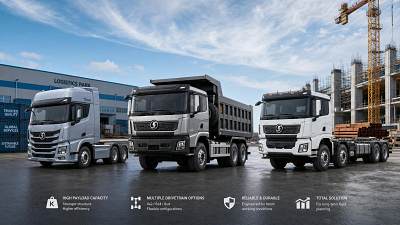
Planning a dump truck bulk order for multi-site projects requires more than comparing prices. Project managers must balance equipment capacity, delivery schedules, site conditions, and supplier reliability to keep operations moving efficiently. A well-structured purchasing plan can reduce downtime, control total costs, and ensure every jobsite has the right trucks at the right time.
Understanding the role of a dump truck bulk order in multi-site operations
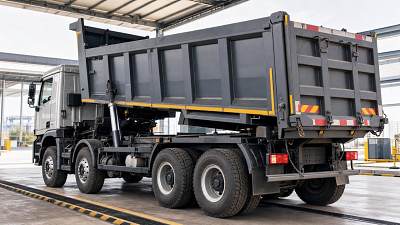
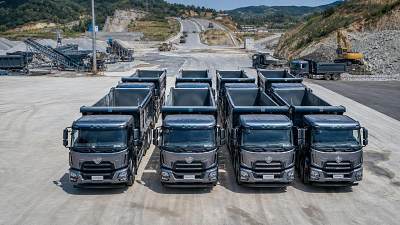
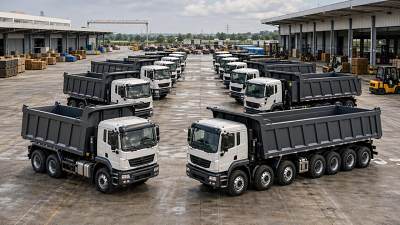
A dump truck bulk order is a coordinated purchase of multiple units designed to support construction, infrastructure, mining, municipal, or logistics-related operations at scale. For project managers overseeing several jobsites, this type of order is not simply a larger version of a standard vehicle purchase. It is a strategic equipment decision that affects site productivity, transportation continuity, maintenance planning, driver allocation, and budget performance across the full project cycle.
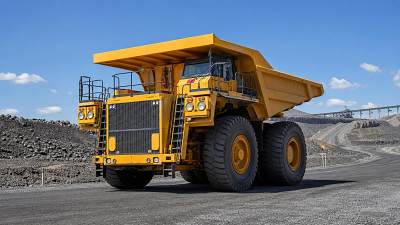
In the road transport equipment industry, dump trucks remain essential for moving soil, gravel, demolition waste, aggregates, asphalt, ore, and other bulk materials. When projects are spread across different regions or phases, managers must think beyond truck quantity. They need to align truck specifications with terrain, hauling distance, loading equipment, road restrictions, and expected utilization rates. That is why a successful dump truck bulk order begins with operational analysis rather than a price request alone.
Why the industry pays close attention to bulk planning
Global demand for heavy-duty vehicles continues to grow alongside infrastructure expansion, industrial transportation, and regional logistics development. Multi-site contractors, engineering firms, and fleet operators now face tighter schedules, stricter compliance standards, and greater pressure to control lifecycle costs. In this environment, a poorly planned dump truck bulk order can create major operational risks, including underutilized assets, delayed site mobilization, inconsistent parts support, and avoidable maintenance downtime.
At the same time, digital B2B sourcing platforms have made it easier to compare suppliers, check product categories, review technical data, and identify manufacturers with international delivery capabilities. For decision-makers, this wider market access is helpful, but it also means that supplier evaluation must become more disciplined. The best outcome comes from combining market transparency with clear project requirements, not from choosing the lowest quote in isolation.
What project managers should define before requesting quotations
Before starting supplier discussions, project managers should establish a practical equipment profile for each site. This profile becomes the foundation of the dump truck bulk order and helps prevent mismatched specifications. The most important inputs include payload needs, body volume, axle configuration, engine power, road quality, gradeability, loading frequency, shift structure, and maintenance access.
It is also important to separate mandatory requirements from preferred features. For example, one site may require reinforced suspension and high-clearance chassis for rough haul roads, while another may benefit more from fuel efficiency and easier maneuverability in urban work zones. Grouping every site under one generic vehicle spec may seem efficient during procurement, but it often reduces productivity after deployment.
Core planning factors
- Material type and density
- Average haul distance and cycle time
- Site access, turning space, and road conditions
- Legal payload and axle load limits by region
- Expected daily operating hours
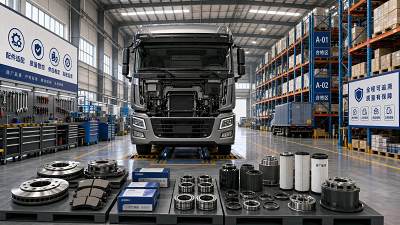
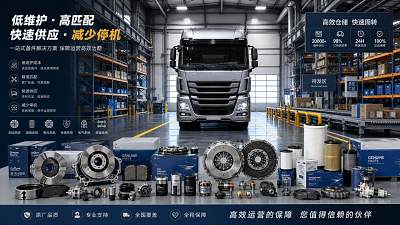
- Availability of service technicians and spare parts
Industry overview table for bulk dump truck planning
The table below summarizes the main planning areas that typically shape a multi-site dump truck bulk order.
Application value across different project types
The value of a dump truck bulk order becomes clearer when viewed by application. Different project environments place different demands on truck selection, support planning, and fleet standardization. For project leaders, understanding these distinctions makes procurement more practical and reduces the risk of ordering equipment that performs well on paper but poorly in field conditions.
Choosing between standardized fleets and mixed configurations
One of the most important decisions in a dump truck bulk order is whether to buy one standard truck model for all sites or combine multiple configurations. Standardization can simplify training, spare parts stocking, maintenance procedures, and fleet administration. It may also improve pricing leverage with manufacturers and distributors.
However, mixed configurations often make more sense for multi-site projects with very different hauling environments. A steep off-road site may require a more rugged drivetrain and stronger suspension, while a city-based project may need compact dimensions and compliance with local transport rules. The most effective approach is often controlled standardization: keeping common components where possible while adjusting core specifications for site-specific needs.
Supplier evaluation beyond the unit price
For a dump truck bulk order, supplier selection should focus on delivery capability, technical clarity, and long-term support as much as on initial quotation. A reliable supplier should be able to provide complete vehicle specifications, production schedules, documentation for export or local registration, warranty terms, and realistic lead times. If the order will be deployed across several countries or regions, service coverage and parts availability become even more critical.
This is where professional B2B industry platforms create value. A specialized marketplace serving the global heavy truck and commercial vehicle sector can help buyers compare truck categories, screen manufacturers, access product data, and identify suppliers with experience in cross-border trade. For project managers, that visibility shortens research time and supports more informed conversations with shortlisted vendors.
Questions to raise with suppliers
- Can delivery be phased according to project startup dates?
- Which components are shared across the proposed truck models?
- What spare parts package is recommended for the first year?
- How is warranty support handled in remote or overseas locations?
- Are operator training and maintenance guidance included?
Cost control through lifecycle thinking
A high-quality dump truck bulk order should be judged by total operating value, not just by acquisition cost. Lower-priced units may become expensive if fuel consumption is high, tire wear is excessive, or parts lead times are long. Project managers should estimate total cost of ownership by combining purchase cost with expected maintenance, fuel use, service intervals, consumables, downtime risk, and residual value.
Bulk purchasing can create savings through negotiated pricing, shared parts strategy, and consolidated training. Yet these benefits only appear when the trucks remain productive in daily site work. In practical terms, the cheapest truck is rarely the best fleet decision if it cannot deliver dependable uptime across all project locations.
Practical steps for implementation
Once requirements are clear, project managers should convert planning into an execution framework. Start by ranking sites according to operational urgency, then define which truck units must arrive first. Align purchasing with site mobilization milestones, loading equipment availability, and driver readiness. Where possible, include pre-delivery inspection standards and acceptance criteria in the order documents.
It is also wise to prepare a launch plan covering registration, insurance, telematics setup, maintenance records, and spare parts storage. A dump truck bulk order delivers the strongest results when procurement, operations, maintenance, and finance teams share the same rollout schedule and performance targets. This coordination reduces confusion at handover and improves early fleet utilization.
Common mistakes to avoid
Several recurring mistakes can weaken the value of a dump truck bulk order. The first is using a single specification without checking actual site differences. The second is overlooking after-sales support, especially when trucks will operate in remote or multi-country environments. The third is ignoring local compliance factors such as axle limits, emissions requirements, or body regulations. Another frequent issue is failing to plan spare parts and maintenance support from the beginning, which increases downtime during the first months of operation.
Finally, some buyers compare suppliers only on invoice price and delivery promises. Strong procurement decisions require a broader view that includes technical fit, supplier responsiveness, service capacity, and long-term operating economics.
Moving from sourcing to confident decision-making
For project managers and engineering decision-makers, planning a dump truck bulk order is really about matching fleet strategy to jobsite reality. The process starts with understanding the role of the truck in each application, continues through disciplined supplier evaluation, and ends with a deployment plan that supports uptime across all active locations. When these steps are handled well, bulk purchasing becomes a tool for schedule protection, cost control, and operational consistency.
If your team is preparing for a multi-site fleet purchase, using a specialized global heavy truck industry platform can make the research process more efficient. Access to manufacturers, product categories, market insights, and sourcing guidance helps buyers compare options with greater confidence and build a dump truck bulk order strategy that supports both current projects and future expansion.
Trending News
- What documents are needed to export a low bed trailer to Southeast Asia?
- What to verify before choosing a delivery truck supplier for school transportation
- What an excavator manufacturer catalog should show before you compare models
- What to check before appointing a bulldozer distributor
- How to verify supplier reliability when sourcing bulldozers overseas
Tag
Recommended News
 Fleet ManagementHeavy Truck Specs That Matter Most for Long-Term Fleet PlanningHeavy truck specs that truly shape long-term fleet success: compare payload, torque, axle setup, fuel efficiency, and parts support to cut downtime and plan smarter.
 Fleet ManagementTruck Parts Supplier Risks That Affect Long-Term Fleet CostsTruck parts supplier risks can quietly increase long-term fleet costs through downtime, poor fitment, and supply delays. Learn how to choose smarter and protect uptime.
 Fleet ManagementSemi Trailer Distributor Red Flags That Can Delay Fleet ExpansionSemi trailer distributor warning signs can stall fleet expansion fast. Learn the key red flags in inventory, delivery, support, and compliance before you buy.
 Fleet ManagementLogistics Transportation Trends Reshaping Fleet Cost ControlLogistics transportation trends are redefining fleet cost control. Discover how data, sourcing, and equipment strategy help fleets cut risk, improve utilization, and stay competitive.
 Fleet ManagementOff Road Truck Safety Risks and Maintenance Checks Before DeploymentOff road truck safety starts before deployment. Learn key risks, maintenance checks, and inspection steps to reduce downtime, protect crews, and keep every jobsite moving.
 Fleet ManagementTruck Fleet Cost Control: 7 Metrics That Matter in 2026Truck fleet cost control in 2026 starts with 7 key metrics. Learn how fuel, uptime, utilization, downtime, and TCO reveal hidden costs and smarter sourcing decisions.
 Fleet ManagementHeavy Truck Fuel Efficiency: What Impacts Operating CostsHeavy truck fuel efficiency directly impacts operating costs. Learn how design, payload, maintenance, and driver behavior affect fuel use and smarter truck buying decisions.
 Fleet ManagementTruck Fleet Planning Tips for Lower DowntimeTruck fleet planning tips to cut downtime, improve uptime, optimize maintenance, manage spare parts, and build a more reliable, cost-efficient transport operation.
 Fleet ManagementTruck Tipper Safety Checks Before Daily OperationTruck tipper daily safety checks made simple: inspect hydraulics, brakes, tires, lights, loads, and tipping stability to reduce downtime and operate with confidence.
 Fleet ManagementDump Truck Supplier Risks in Mining ProjectsFind out how to choose a reliable dump truck supplier for mining industry projects, reduce sourcing risks, secure parts support, and improve uptime in harsh mining operations.
 Fleet ManagementBest Commercial Vehicle Parts for Warehouse Fleets with High Stop-Start UseCommercial vehicle parts for warehouse fleets should handle heavy stop-start use with fewer failures. Discover proven brake, battery, suspension, and steering choices that cut downtime.
 Fleet ManagementDelivery Truck Supplier in USA: What Matters Most for Fleet ExpansionDelivery truck supplier in USA selection impacts uptime, cost, and fleet growth. Learn how to compare suppliers by route needs, service support, and long-term scalability.
 Fleet ManagementHow to Choose Commercial Vehicle Parts for Warehouse Fleet UptimeCommercial vehicle parts for warehouse fleets directly impact uptime. Learn how to choose durable, accurate-fit parts and reliable suppliers to reduce downtime and control maintenance costs.
 Fleet ManagementWhy a Light Duty Truck Manufacturer in USA Still Matters for Fleet ReliabilityLight duty truck manufacturer in USA choices still shape fleet uptime, parts access, and lifecycle value. See what buyers should compare for more reliable operations.
 Fleet ManagementHow to Plan a Dump Truck Bulk Order for Multi-Site ProjectsDump truck bulk order planning for multi-site projects made simple. Learn how to balance specs, delivery, support, and total cost for smarter fleet decisions.
 Fleet ManagementWhat Makes a Delivery Truck Supplier Cost-Effective in Real OperationsDelivery truck supplier with cost-effective solutions: learn how to cut fuel, maintenance, and downtime costs with a practical checklist for smarter fleet purchasing.
 Fleet ManagementHow Low-Maintenance Truck Spare Parts Suppliers Help Cut DowntimeTruck spare parts supplier with low maintenance benefits help fleets cut downtime, speed repairs, and lower service costs. Discover how smarter sourcing boosts uptime.
 Fleet ManagementHow Commercial Vehicle Parts for Warehouse Improve Daily UptimeCommercial vehicle parts for warehouse operations help reduce downtime, improve safety, and keep trucks and trailers moving efficiently. Discover how the right parts boost daily uptime.
 Fleet ManagementCommercial Vehicle Parts for Cold Storage: Reducing Failure in Daily UseCommercial vehicle parts for cold storage help reduce daily failures, protect cargo quality, and improve fleet uptime. Discover scenario-based maintenance insights for refrigerated transport.
 Fleet ManagementDelivery Truck Supplier in USA: What to Compare Before Expanding a FleetDelivery truck supplier in USA comparison guide for fleet expansion. Learn how to evaluate quality, service, parts support, and lifecycle cost before you invest.
 Fleet ManagementBest Commercial Vehicle Parts for Warehouse OperationsCommercial vehicle parts for warehouse operations should boost safety, uptime, and load control. Explore the best brake, tire, steering, and lighting solutions for efficient fleet performance.
 Fleet ManagementTruck Cement Mixer Supplier: What to Check Before Fleet ExpansionTruck cement mixer supplier selection can make or break fleet expansion. Learn the key checks on quality, compliance, parts support, and total cost before you buy.
 Fleet ManagementTruck Trailer Supplier Checklist for Long-Haul Fleet ExpansionTruck trailer supplier checklist for long-haul fleet expansion: compare compliance, lifecycle cost, delivery, and support to reduce sourcing risk and scale with confidence.
 Fleet ManagementIs a Lightweight Semi Trailer Manufacturer the Right Fit for High-Frequency RoutesFind out if a semi trailer manufacturer with lightweight design is the smart choice for high-frequency routes, balancing payload, durability, compliance, and long-term fleet savings.
 Fleet ManagementDump Truck Wholesale for Growing Fleets: What to Watch FirstDump truck wholesale buyers: learn what to check first for growing fleets, from specs and compliance to supplier reliability, to cut risk, control costs, and buy with confidence.